

Understanding the Class 4 Impact Rating
In hail-prone markets like Central Texas, roofing decisions are often shaped by storm risk and insurance realities. One option that comes up frequently is Class 4 asphalt shingles—a higher-impact-rated shingle designed to better withstand hail and debris.
This page explains what Class 4 shingles actually are, how they’re tested, how insurance companies factor them into premiums, and when upgrading makes sense from a performance and cost perspective.
If you’re evaluating your roof more broadly, it may help to review common roofing problems or understand expected lifespan factors on our roofing cost guide.
What “Class 4” Means in Roofing
Class 4 is the highest commonly referenced impact-resistance rating for asphalt shingles. The rating is based on standardized testing—not marketing language.
Shingles earn a Class 4 designation by passing the UL 2218 impact-resistance test. In this test, a two-inch steel ball is dropped from twenty feet onto the shingle surface. If the shingle does not crack through under these conditions, it qualifies as Class 4.
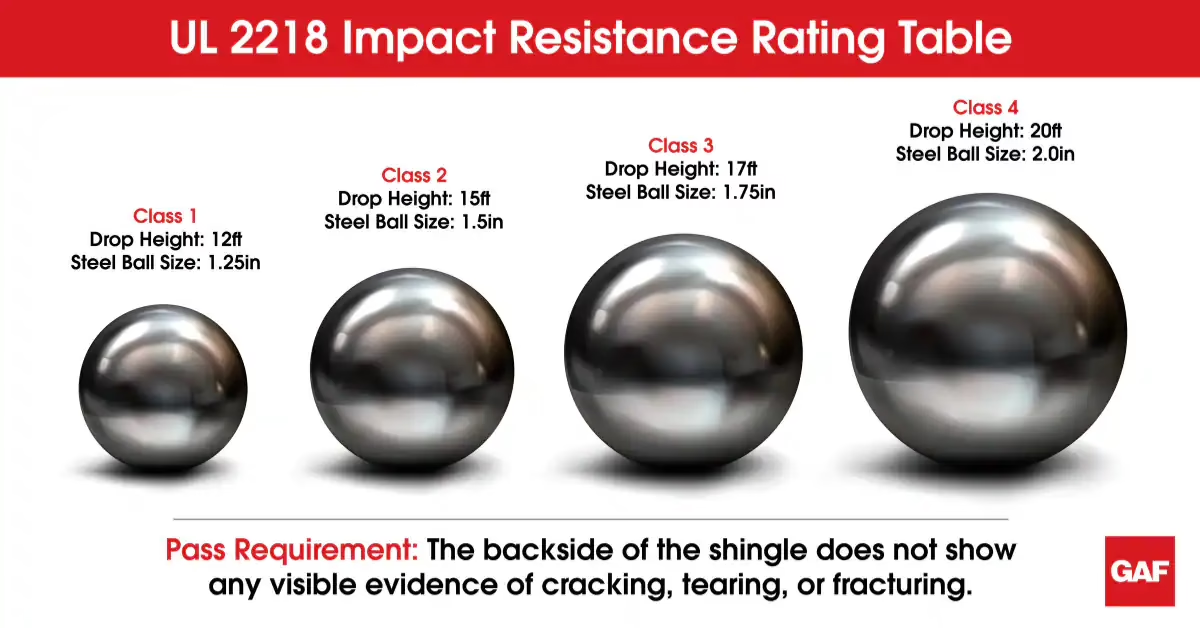
It’s important to understand what this rating does—and does not—mean. A Class 4 rating indicates improved resistance to cracking from impact. It does not guarantee a roof will be free of cosmetic damage, granule loss, or future wear after a hailstorm.
Why Class 4 Shingles Perform Differently
Most Class 4 asphalt shingles use SBS-modified asphalt. This modification allows the shingle to flex under impact rather than fracture. That flexibility helps absorb energy from hail strikes and reduces the likelihood of functional damage that can lead to leaks.
In real-world conditions, this often means fewer punctures and fractures after hail events compared to standard architectural shingles. The roof may still show signs of impact, but the waterproofing system is more likely to remain intact.
Class 4 Shingles and Insurance in Texas
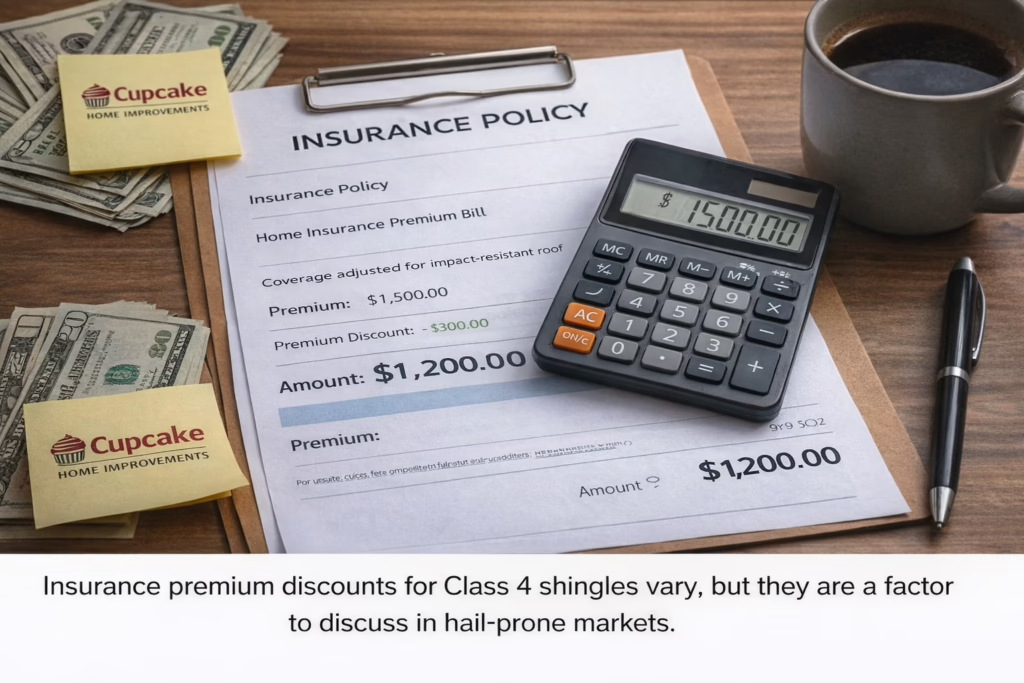
Because hail claims drive significant insurance losses in Texas, many carriers offer premium discounts for homes with Class 4 shingles. These discounts exist because impact-resistant roofs tend to reduce claim frequency and severity.
However, insurance incentives are not uniform or permanent. Discounts vary by carrier, policy type, and location—and insurers can change or remove them over time.
- Some carriers offer percentage-based premium reductions
- Some require documentation or post-install inspection
- Some provide no discount at all
For homeowners, the decision often comes down to math: weighing higher upfront material costs against potential insurance savings and reduced repair risk over the life of the roof.
For deeper context on how roofing and insurance intersect, see our roofing insurance education hub.
When Class 4 Shingles Make Sense
Class 4 asphalt shingles are not automatically the right choice for every home. They tend to make the most sense when:
- Your area experiences frequent hail events
- Your insurance carrier offers a meaningful discount
- You plan to stay in the home long enough to benefit from long-term durability
- Roof replacement is already being considered due to age or condition
They may be less compelling if insurance incentives are minimal, if the roof is heavily shaded by trees (where abrasion is the dominant risk), or if installation quality is not properly addressed.
Installation Still Matters
Even the best shingles won’t perform as intended if they’re installed incorrectly. Fastener placement, decking condition, ventilation, and flashing details all affect long-term performance—regardless of shingle rating.
Class 4 shingles should be viewed as one component of a complete roofing system, not a shortcut around proper design and installation.
Our approach to asphalt roofing focuses on system performance, documentation, and manufacturer-aligned installation practices. You can learn more about how we handle this on our roofing installation process page.
Making the Right Call for Your Roof
Class 4 asphalt shingles can be a smart upgrade in hail-prone markets, particularly when insurance incentives and long-term durability are factored in. The right choice depends on your roof, your insurer, and how long you plan to stay in the home.
If you’re weighing options or want to understand whether Class 4 shingles make sense for your situation, a professional evaluation can help clarify the trade-offs without pressure.