

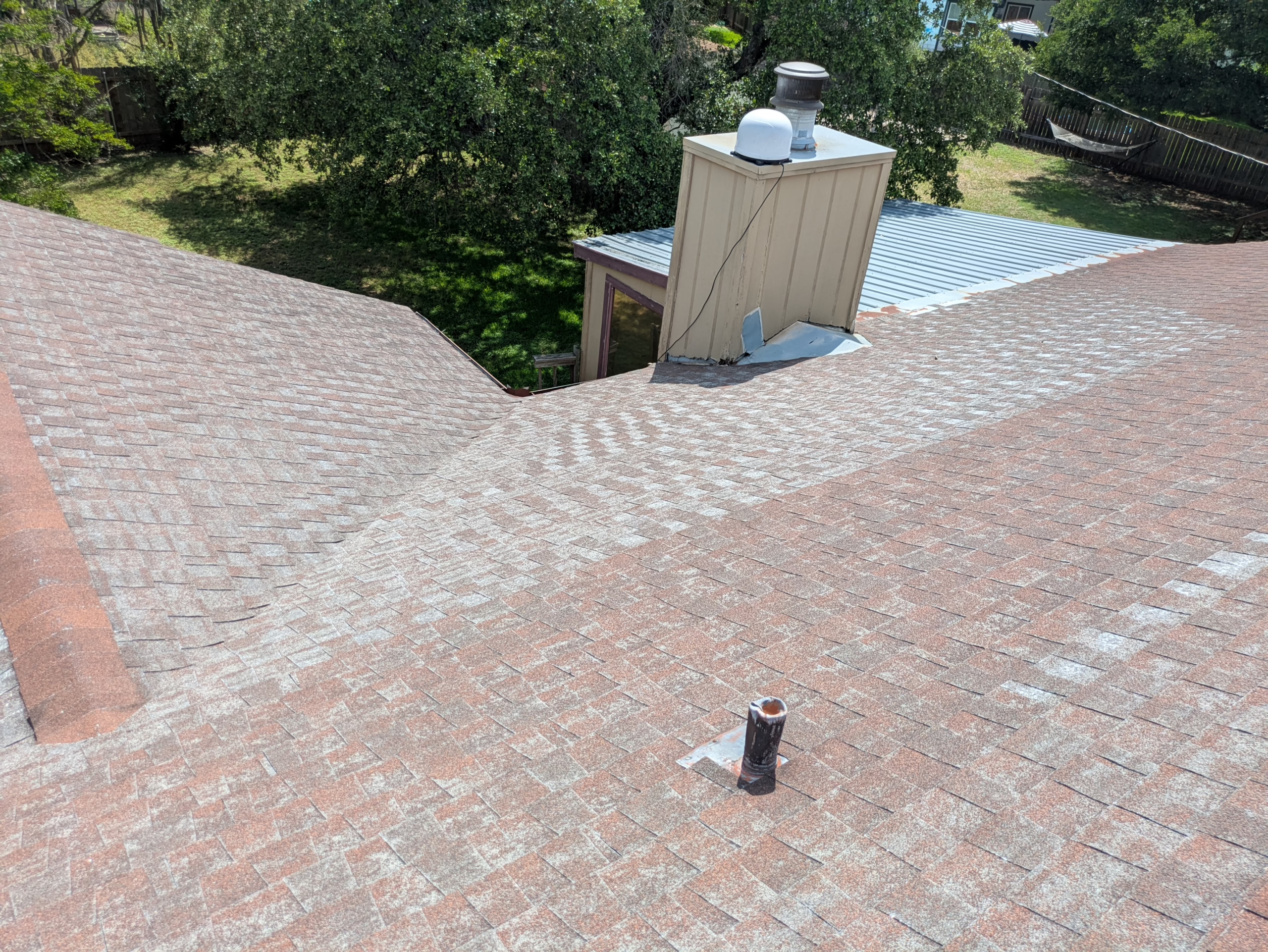
Granule loss is one of the most common—and most misunderstood—roofing problems on asphalt shingle roofs.
Some granule loss is normal. Excessive or uneven granule loss, however, is often a sign that shingles are aging, deteriorating, or nearing the end of their useful life.
This page explains what granule loss is, why it happens, how to tell when it matters, and how it fits into the overall health of your roof. For a broader view of how granule loss relates to other roofing issues, start with our overview of common roofing problems homeowners encounter.
What Granules Do on an Asphalt Shingle
Granules are the outer protective layer of an asphalt shingle roofing system. They are made from crushed mineral material that is bonded to the asphalt surface during manufacturing.
- Protect the asphalt layer from ultraviolet (UV) exposure
- Reduce heat absorption and surface degradation
- Provide impact resistance against minor weather events
- Give shingles their color and texture
When granules wear away, the asphalt beneath is exposed to heat, sunlight, and moisture—accelerating shingle deterioration.
What Causes Granule Loss
Granule loss develops gradually and is usually caused by a combination of environmental exposure and roof conditions.
- UV exposure: Prolonged sun exposure dries and oxidizes asphalt, weakening the bond holding granules in place.
- Thermal movement: Daily heating and cooling cycles cause expansion and contraction that slowly loosens surface granules.
- Storm activity: Hail, wind-driven rain, and repeated impacts can dislodge granules even when shingles appear intact.
- Roof age: Granule loss becomes more common as shingles approach mid-life and beyond.
- Physical abrasion: Tree limbs, foot traffic, or debris rubbing against shingles can strip granules prematurely.
In hail-prone regions, some homeowners reduce future granule loss by choosing impact-resistant (Class 4) shingles, which are designed to better withstand repeated impacts.
When Granule Loss Is Normal — and When It’s a Problem
Not all granule loss indicates roof failure. The severity, pattern, and visibility of loss matter.

Light, even granule accumulation in gutters—especially after storms or early in a roof’s life—is normal and expected.
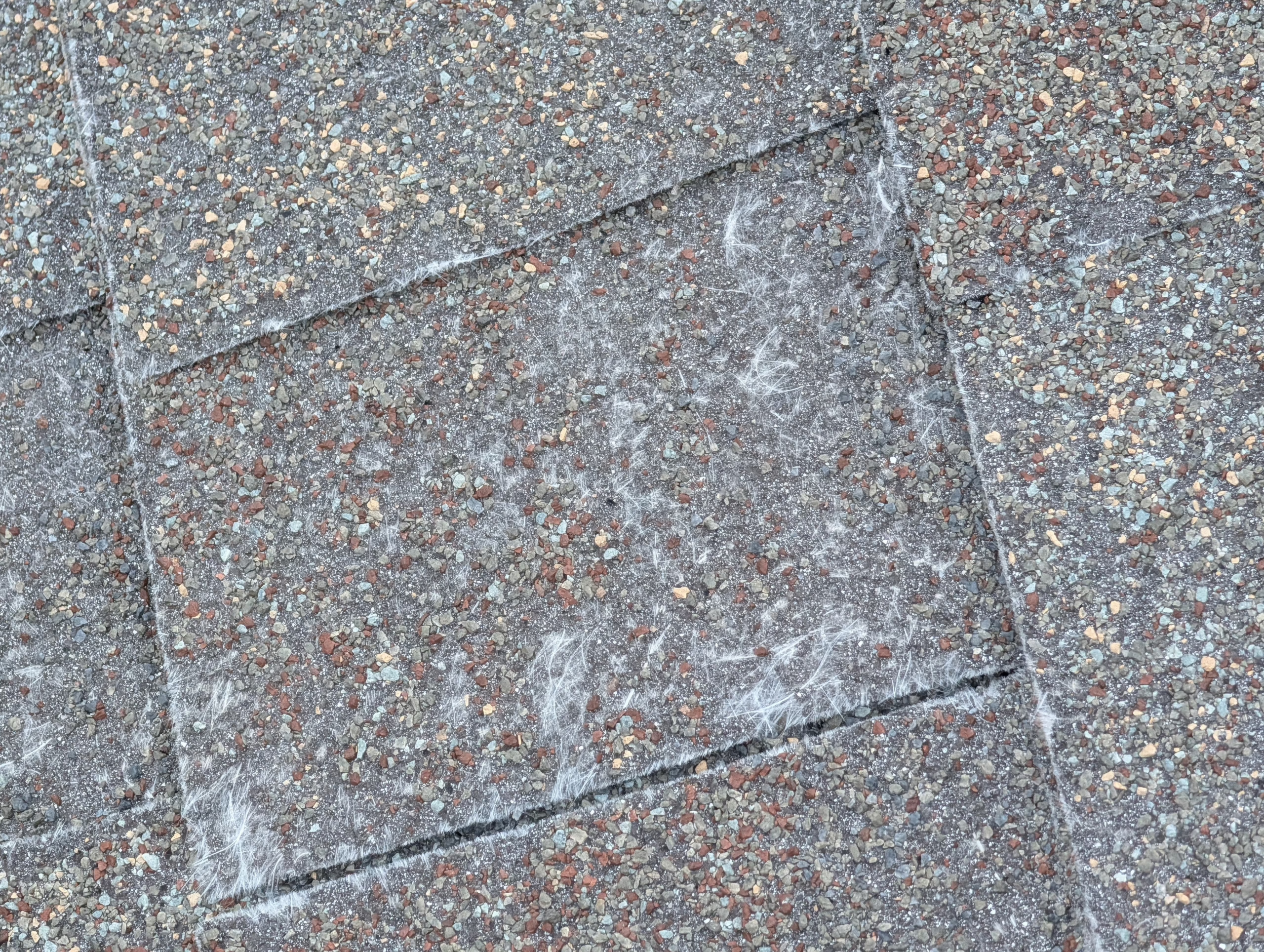
When granules are largely gone, the fiberglass mat beneath the asphalt becomes exposed. At this stage, shingles deteriorate rapidly and replacement is typically required.
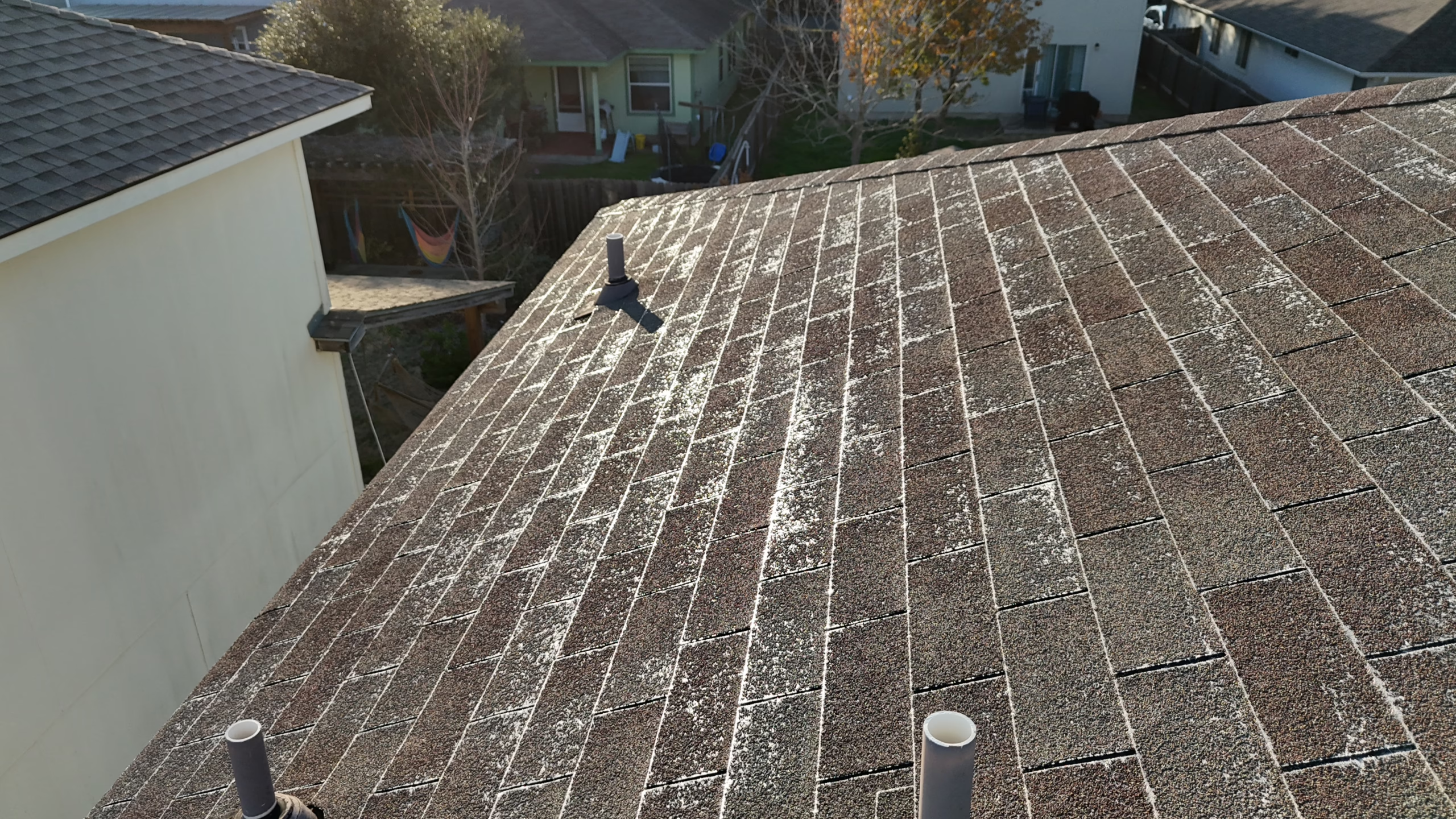
A shiny or reflective roof surface is a common visual indicator that granules are gone and shingles are no longer protected.
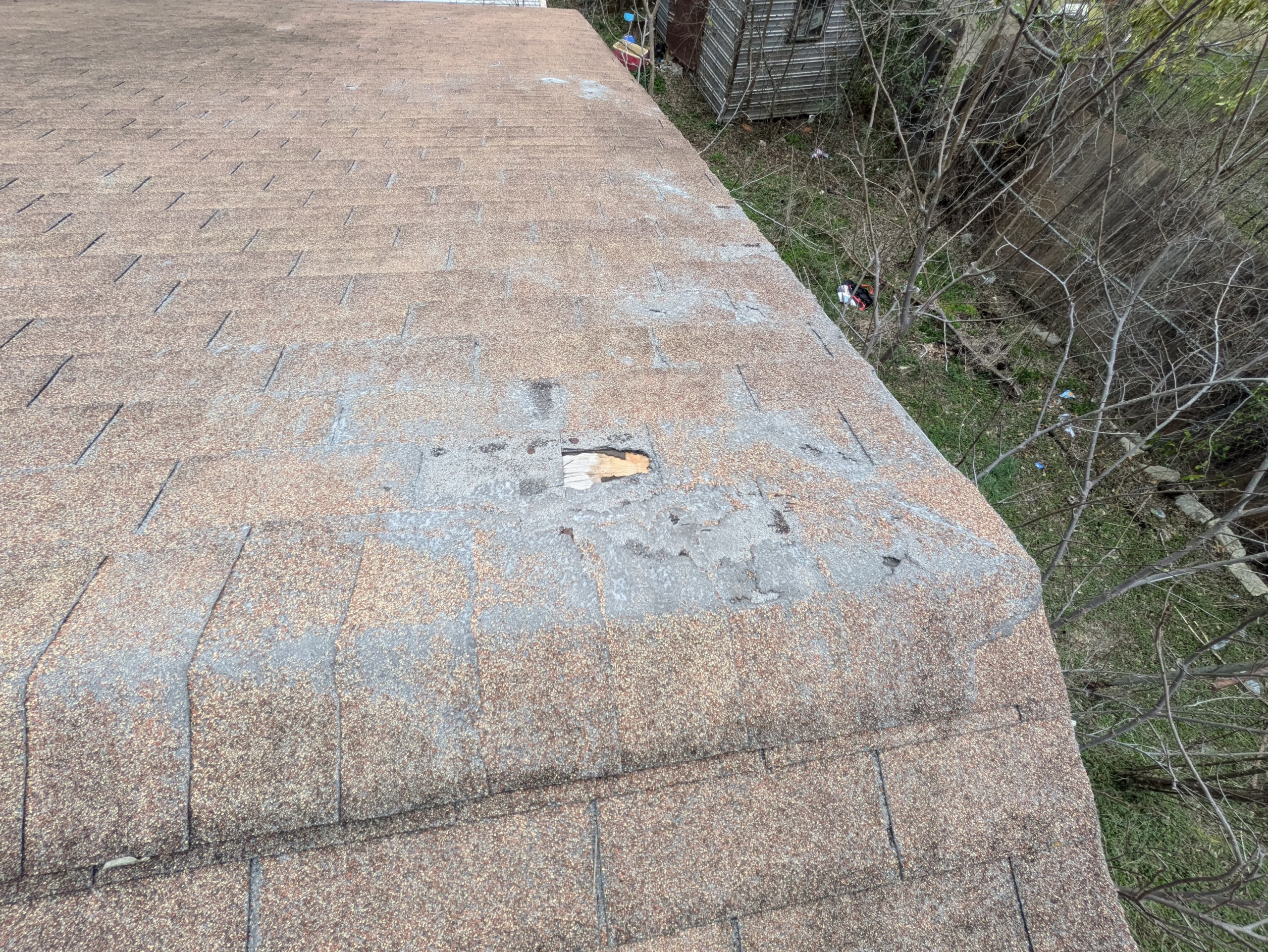
Localized granule loss caused by abrasion or debris should be addressed quickly to prevent deeper system damage.
How Granule Loss Affects Roof Lifespan
Granule loss is not cosmetic. Once granules are gone, asphalt shingles absorb more heat, become brittle, and lose flexibility.
This accelerates cracking, blow-offs, and water intrusion—especially in Central Texas, where UV exposure, heat, and hail place added stress on roofing systems.
Ventilation also plays a role. Poor attic airflow increases roof temperatures, which speeds granule deterioration and shortens roof lifespan.
For a broader explanation of how climate, materials, and installation affect aging, see our guide on how long roofs last in Texas.
What to Do If You’re Seeing Granule Loss
The correct response depends on severity.
- Minor, even loss: Monitor during routine inspections.
- Localized damage: Address abrasion or ventilation contributors.
- Widespread or exposed mat: Plan for replacement.
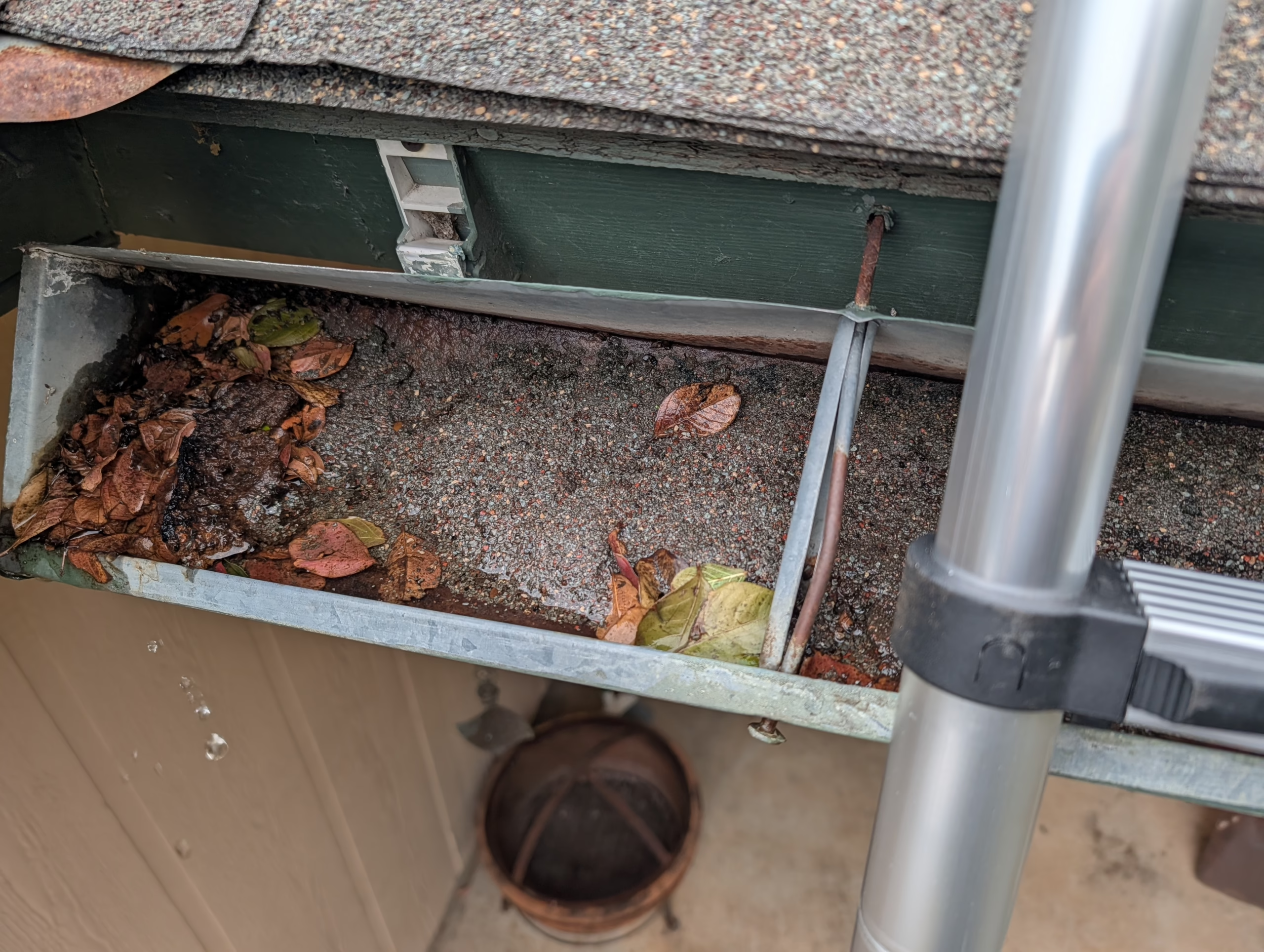
Because granule loss exists on a spectrum, determining whether repair or replacement makes sense requires professional evaluation of the entire roofing system.
If you’re unsure what the granule loss on your roof means—or how it fits into your roof’s remaining lifespan—we can walk you through what we see and explain realistic options. Learn what that process looks like on our roofing appointment overview.