

Door Materials — Fiberglass, Steel, Vinyl, Wood, and Iron Compared
Door frame material determines how a door performs over time — how well it insulates, how long the finish holds, how it responds to moisture and temperature cycling, and how much maintenance it requires. The four materials used in residential exterior doors are fiberglass, steel, vinyl, and wood — each with a distinct performance profile, cost range, and set of applications where it makes the most sense. Iron is a fifth option for specific architectural contexts. This section covers all five, with honest comparisons that account for Central Texas conditions rather than manufacturer claims written for moderate climates. For the full door overview see the door replacement overview.
Door Materials — What Each One Is and How It Performs
Fiberglass
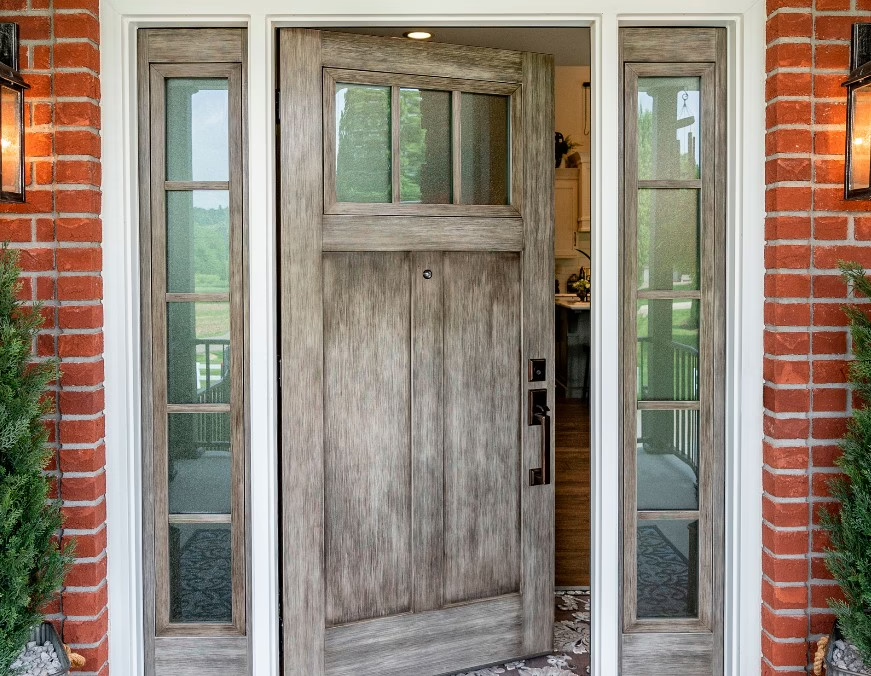
The strongest performer in Central Texas conditions — won’t rust, warp, rot, or take a permanent set under heat. Can be stained to look like real wood. ProVia Signet’s woodgrain is stamped from a real wood template. Longest finish warranty of any door material — up to 15 years. Higher upfront cost than steel or vinyl, best long-term value for most applications.
Steel
Strong, secure, and the most cost-effective entry door material. ProVia Legacy uses 20-gauge steel — 49% thicker than standard 24-gauge. Best security per dollar of any door material. Real limitations on high-exposure south and west-facing entries where UV degrades the finish faster and rust risk is real if the finish is compromised. Paint only — no staining.
Vinyl
The standard patio door material — multi-chamber PVC construction with titanium dioxide UV inhibitor built into the material. Quality manufactured vinyl performs reliably in this climate. The warping and fading narratives online apply to thin big box product, not manufacturer-grade vinyl. Cannot be painted or stained. Fiberglass is a step up for premium homes where the door is a visible design element.
Wood
The appearance benchmark — real wood grain, depth, and warmth that no manufactured material fully replicates. The tradeoff is maintenance: periodic refinishing every 2–5 years, susceptibility to moisture and swelling, and faster finish degradation on exposed entries in this climate. We install fiberglass that was manufactured from a real wood template and delivers the aesthetic without the maintenance obligation.
Iron
An architectural and design decision — not a performance choice. Iron makes sense on Mediterranean, Spanish Colonial, and certain luxury custom homes where the aesthetic is contextually appropriate. Weight (300–500 lbs for a double door), poor thermal performance, cost, and maintenance are the real considerations before choosing iron. We don’t install iron doors but will give you an honest assessment of whether it’s right for your home.
Which Material for Which Door Type
Material selection isn’t the same across every door application — the right material for a front entry door is different from the right material for a patio door, and both are different from a storm door. Here’s how material maps to door type in practice.
| Door Type | Primary Material | Alternative | Not Used |
|---|---|---|---|
| Front Entry | Fiberglass — best long-term performance and aesthetics | Steel — lower cost, legitimate choice on budget or lower-exposure entries | Vinyl, aluminum |
| French Doors | Fiberglass — dimensional stability at center seam and threshold is critical | Steel on budget-constrained projects | Vinyl, aluminum |
| Sliding Patio | Fiberglass (Pella Impervia) — thermoset construction holds track alignment | Vinyl — quality manufactured vinyl performs well on most applications | Steel, wood |
| Storm Doors | Aluminum — ProVia heavy-gauge aluminum exclusively | None — aluminum is the standard storm door material | Steel, fiberglass, vinyl, wood |
Related: Brands, Installation, and Common Problems
Material is one part of the door decision. The brand and product line within that material, how the door is installed, and what problems develop when installation details are skipped all affect long-term performance as much as the material itself does.
Door Brands
ProVia, Pella, and Anlin — what each manufacturer brings to the door they make best, and how to choose between them for a specific project.
Installation Process
Material selection only matters if the installation is done correctly. Sill pan flashing, rough opening prep, and perimeter sealing details determine whether a door performs as the material is capable of performing.
Common Door Problems
Drafts, leaks, frames that rot, and doors that won’t close all have specific causes — and material is often part of the diagnosis. What each problem indicates and what the correct response looks like.
Door Cost
Material is the primary driver of door cost — fiberglass costs more than steel, iron costs more than both. What a complete scope includes and how to read a quote before signing.
Frequently Asked Questions
What is the best door material for Central Texas?
For entry doors, fiberglass is the strongest all-around performer — it handles UV, heat, and humidity better than steel or wood, can be stained to look like real wood, and carries the longest finish warranty. Steel is a legitimate choice on budget-constrained projects or entries that don’t get significant direct sun. For sliding patio doors, fiberglass (Pella Impervia) is the most durable option, with quality manufactured vinyl a reliable choice for most standard applications. The right answer depends on the door type, orientation, budget, and what the home warrants.
Is fiberglass worth the extra cost over steel?
For most Central Texas homeowners planning to stay in the home long term, yes — particularly on south- and west-facing entries where UV and heat accelerate steel finish degradation and introduce rust risk. Fiberglass holds its finish longer, can be stained to look like real wood, and doesn’t rust if the surface is compromised. On north-facing entries or budget-constrained projects, ProVia Legacy steel is a legitimate choice that doesn’t require an apology.
Can any door material truly replicate the look of real wood?
Fiberglass comes closest — ProVia’s process starts by building the door in actual wood, creating a silicone mould from the surface, and stamping fiberglass skins from that mould. The woodgrain in the finished door came from a real wood door. At normal viewing distances, a correctly stained ProVia Signet door is indistinguishable from real wood. Up close and in hand, a trained eye can tell the difference. For most residential applications the appearance is close enough that fiberglass is the right answer — delivering the aesthetic without the refinishing cycle wood requires in this climate.
Does door material affect energy bills?
Yes — but the glass package matters more than the frame material on most door applications. A door with a large glass area and uncoated clear glass loses significantly more energy than the frame material difference between fiberglass and steel. The frame material U-factor difference between premium fiberglass (0.16) and steel (0.17) is marginal. Where material affects energy performance more meaningfully is on patio doors — fiberglass’s thermal stability means the frame and track maintain their dimensions and seals better over time, preserving the door’s energy performance longer than vinyl or aluminum alternatives.
Not Sure Which Door Material Is Right for Your Home?
We’ll assess the existing opening, factor in orientation, exposure, and budget, and give you an honest material recommendation before anything is ordered.
- Free assessment with honest material recommendation
- No deposit required to get started
- Written scope before any work begins
- 10-year workmanship warranty on every installation