

Vinyl Patio Doors in Central Texas — Performance, Limitations, and When It Makes Sense
Vinyl patio doors use extruded PVC frames with multi-chamber construction and titanium dioxide compounded into the material as a built-in UV inhibitor. The melt threshold for PVC is around 160°F — not reached under normal installation conditions — and quality manufactured vinyl carries strong warranty coverage on structural components and finish. The performance problems associated with vinyl doors — fading, warping, degradation — are almost always characteristic of thin big box product with minimal UV protection, not manufacturer-grade vinyl. Fiberglass is a step up in dimensional stability and finish longevity that makes sense on higher-end properties where the door is a visible design element. For most replacement applications, quality vinyl is a cost-effective choice that performs reliably. For the full material comparison see the door materials overview, or for the full door overview see the door replacement overview.
Titanium Dioxide — Why Manufacturer-Grade Vinyl Handles UV Differently
The difference between a vinyl door that holds its color and surface integrity for 25 years and one that fades and chalks within five years is almost entirely about whether titanium dioxide is compounded into the material — and at what concentration.
How Titanium Dioxide Works
Titanium dioxide is a white pigment and UV reflector that is compounded directly into the PVC material during manufacturing — not applied as a surface coating. It reflects UV radiation before it can degrade the polymer chains in the vinyl. Because it’s distributed throughout the material rather than sitting on top, it doesn’t wear off, wash off, or degrade at the surface the way a coating would. A scratch on quality vinyl exposes the same UV-protected material underneath.
Why Big Box Vinyl Doesn’t Hold Up
Big box vinyl doors use thinner PVC with lower concentrations of UV inhibitors — it’s how the cost gets cut. The resulting product fades, chalks, and loses surface integrity faster under sustained UV. This is where the “vinyl doesn’t hold up in Texas” narrative comes from. It’s an accurate observation about that product tier — it’s not an accurate characterization of manufacturer-grade vinyl with full titanium dioxide loading. The two products are meaningfully different.
Color Stability
Because the color in quality vinyl is integral to the material and protected by titanium dioxide throughout, it holds significantly better under UV than painted or coated surfaces. The tradeoff is that it can’t be changed — vinyl cannot be painted or stained after installation. For most standard patio door color choices this is no constraint. For homeowners who want a custom color or the ability to change it later, fiberglass with a factory finish is the more flexible option.
Warranty as a Proxy for Quality
Manufacturer warranty terms on vinyl doors are a reasonable proxy for how confident the manufacturer is in their UV protection and structural performance. A lifetime structural warranty with finish coverage reflects a product engineered to hold up — a limited warranty with exclusions for fading and discoloration reflects the opposite. The manufacturers we install carry strong warranty coverage because their product is built to justify it.
Manufacturer-Grade vs. Big Box — What’s Actually Different
| Factor | Manufacturer-Grade Vinyl | Big Box Vinyl |
|---|---|---|
| UV Protection | Titanium dioxide compounded throughout — built-in, doesn’t wear off | Minimal or surface-only UV protection — fades faster under sustained sun |
| Wall Thickness | Thicker multi-chamber profiles — more structural rigidity and insulation | Thinner profiles — less rigid, more susceptible to flex and deformation |
| Warranty | Strong coverage on structural components and finish — lifetime on many products | Limited warranty — often excludes fading, discoloration, and performance degradation |
| Hardware | Quality rollers, locks, and weatherstripping engineered for long-term operation | Commodity hardware — wears faster, harder to source for repair |
| Installation | Professionally measured and installed to manufacturer specifications with correct flashing | Often DIY or low-bid installed — shimmed to approximate fit without correct flashing details |
| Thermal Performance | Multi-chamber profiles with adequate insulation — competitive U-factors | Fewer chambers, thinner walls — lower insulation performance |
Vinyl vs. Fiberglass — The Honest Comparison
Both are solid choices when manufactured to a quality standard. The decision between them isn’t about which one survives the heat — it’s about what the home warrants and what the homeowner’s priorities are.
Vinyl — What It Delivers
- Strong energy performance — multi-chamber construction with competitive U-factors
- Built-in UV protection via titanium dioxide throughout the material
- Strong manufacturer warranty on quality product
- Lower upfront cost than fiberglass
- Won’t rot, corrode, or require painting
- Right choice for most standard patio door replacements
The right material when performance and value are the priority and the premium feel of fiberglass isn’t required by the property.
Where Fiberglass Steps Up
- Greater dimensional stability — expands and contracts less across temperature cycles
- Higher-end appearance and feel — better match for premium homes
- Longer finish warranty — up to 15 years on some products
- Thermoset construction that won’t soften under any normal operating temperature
- Better property value alignment on higher-end homes
The right step-up when the property warrants it. Full details at fiberglass door materials →
For sliding patio door replacement, quality vinyl is the right call for most projects. Fiberglass makes sense when the home is higher-end, the door is a prominent design element, or long-term ownership makes the step-up in finish longevity worth the premium.
Recent Vinyl Door Projects Across the Austin Area
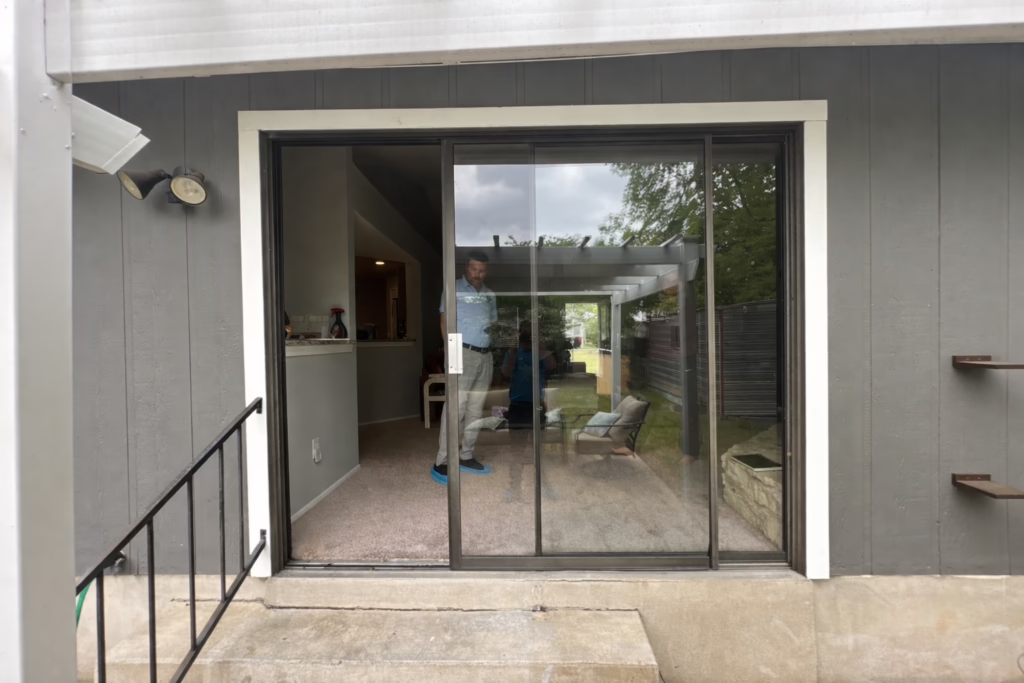
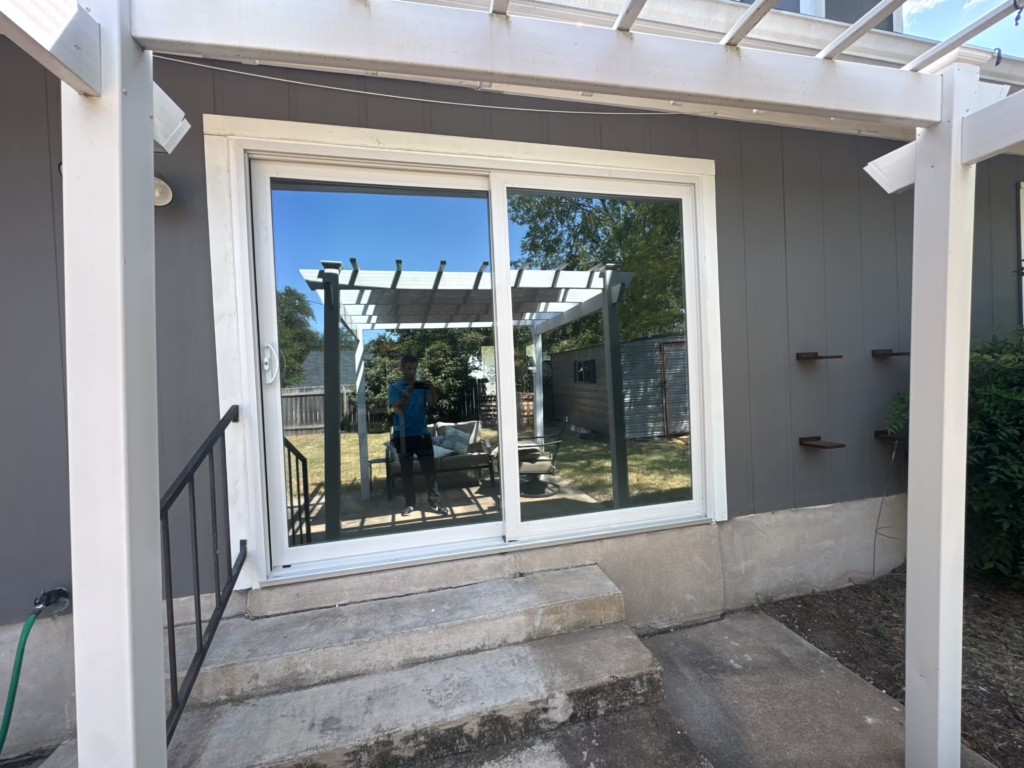
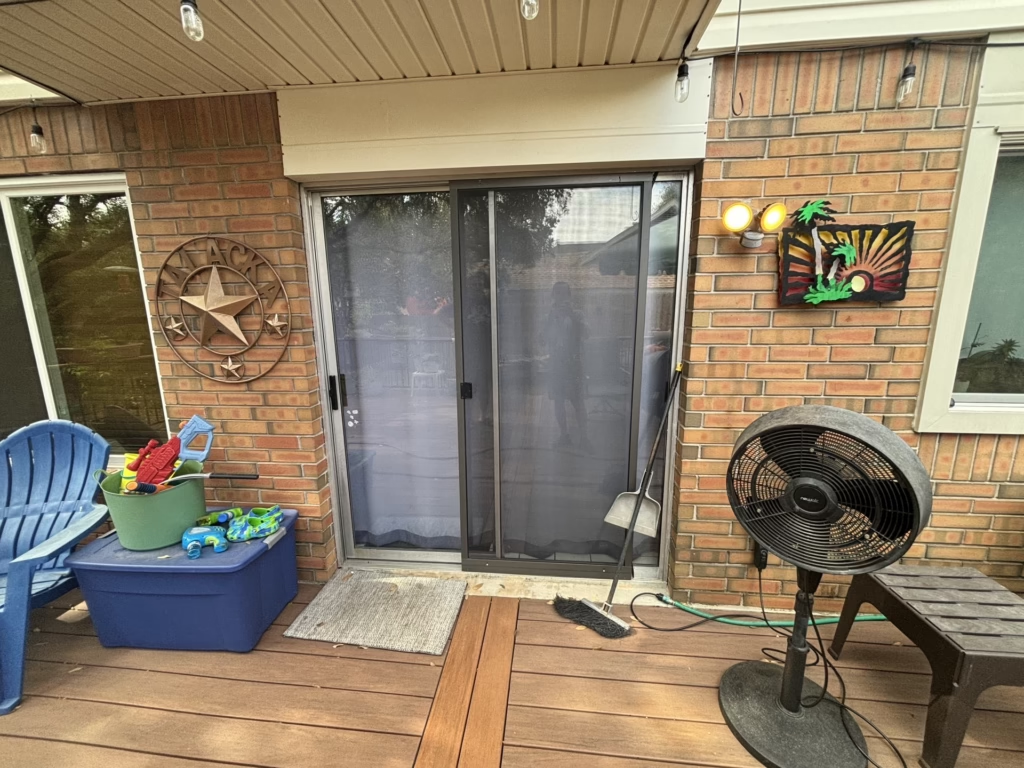
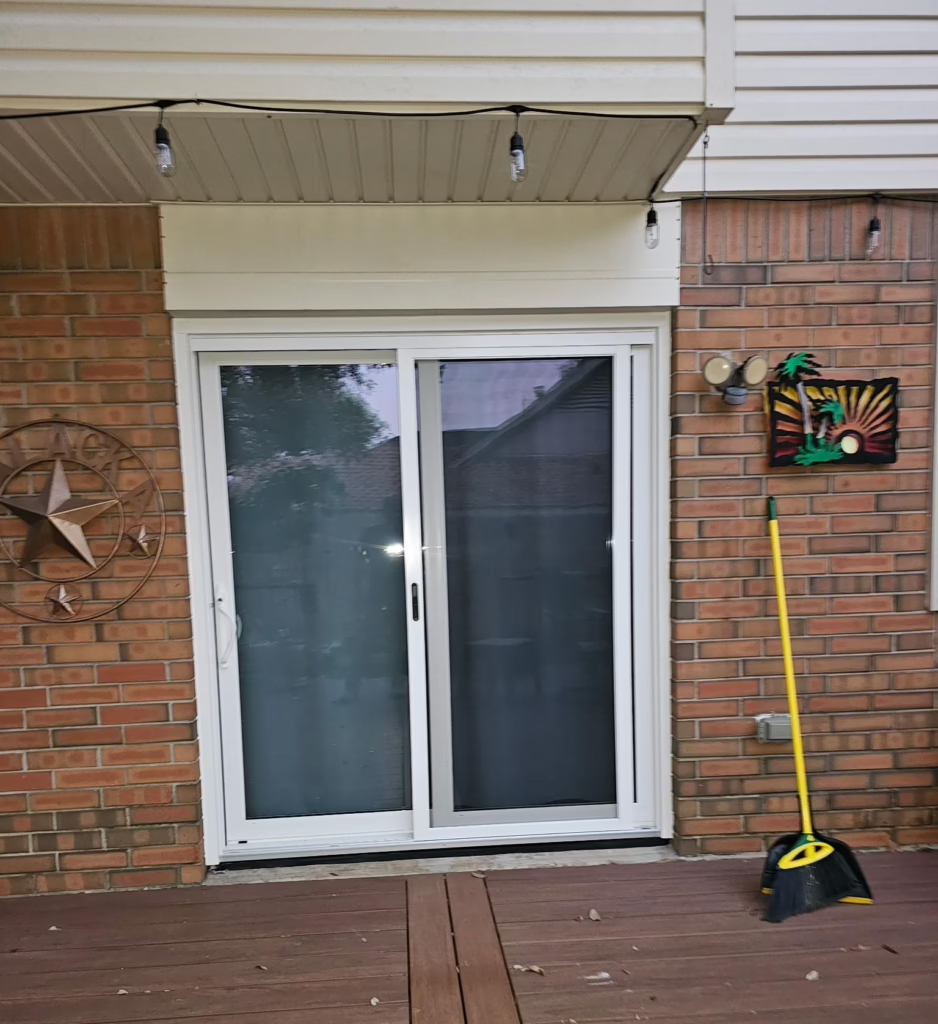
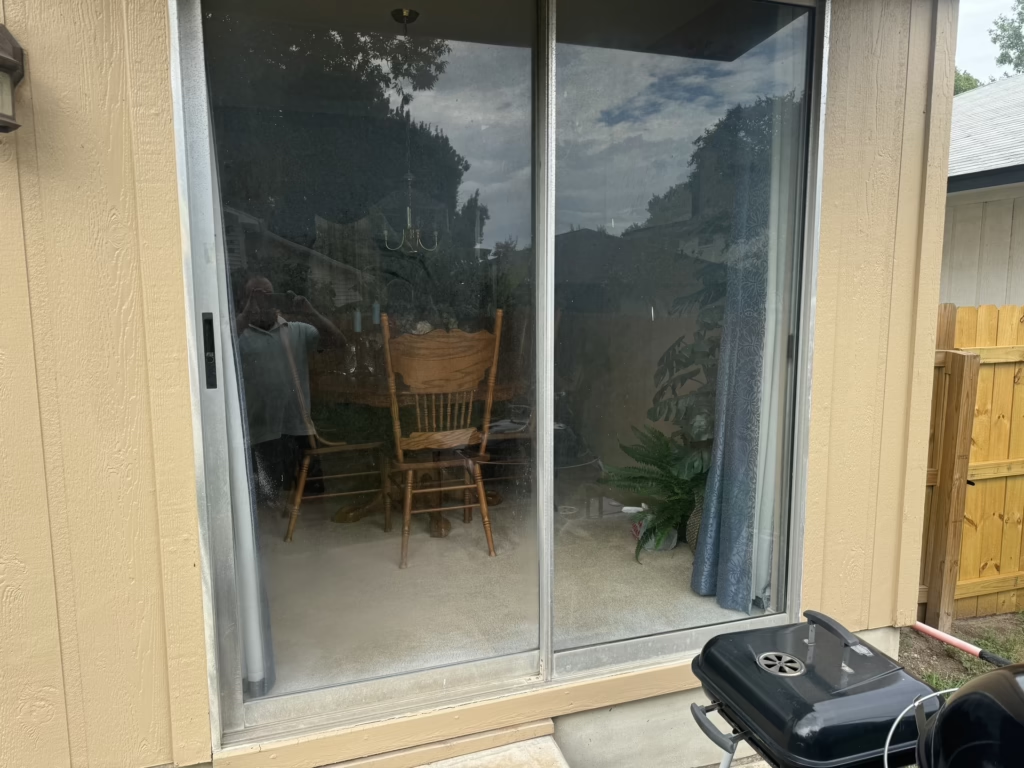
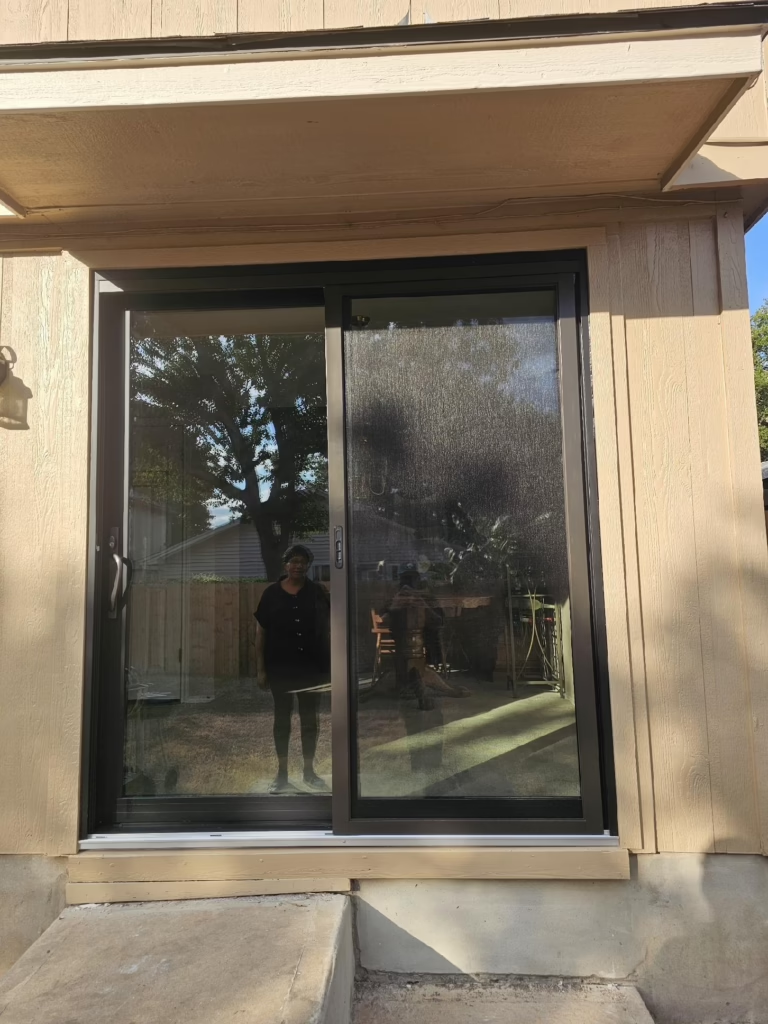
Real vinyl door installations completed for Austin-area homeowners — before and after, different styles, different conditions. This is what a properly installed vinyl door looks like when the framing, weatherstripping, and finish details are handled correctly.
Frequently Asked Questions
Does vinyl actually hold up in Austin heat?
Quality manufactured vinyl does. The melt threshold for PVC is around 160°F, which isn’t reached under normal installation conditions. Titanium dioxide compounded throughout the material provides UV protection that doesn’t degrade at the surface the way a coating would. The warping and fading stories online are almost always about big box product with thinner profiles and minimal UV inhibitor — not manufacturer-grade vinyl.
Why can’t vinyl be painted?
Vinyl expands and contracts with temperature more than most other materials, which causes a rigid paint film to crack and peel over time. Paint manufacturers don’t warranty paint applied to vinyl. The integral color in quality vinyl is durable on its own — it just can’t be changed after installation. If color flexibility matters, fiberglass with a factory finish or field-applied stain is the better choice.
Is vinyl or fiberglass better for a west-facing patio door?
Both perform well on west-facing exposures when manufactured and installed correctly. Fiberglass has greater dimensional stability and longer finish warranty, which makes it the more conservative choice on a high-visibility premium home. Quality vinyl with full titanium dioxide protection handles west-facing sun reliably. The deciding factor is usually the character of the home and the budget rather than a performance threshold.
How long does a quality vinyl patio door last?
A quality manufactured vinyl patio door installed correctly can perform well for 25–35 years under normal operating conditions. The glass unit is a separate variable — IGU seal life is typically 15–20 years regardless of frame material, and fogged glass is one of the most common reasons doors get replaced before the frame has failed. Hardware — rollers, lock, and weatherstripping — is the other maintenance variable that affects effective service life.
What is the warranty on vinyl patio doors you install?
Warranty terms vary by manufacturer and product line. The manufacturers we install carry strong coverage on structural components, finish, and glass — we discuss specifics during the estimate appointment for each project. Every installation also carries our 10-year workmanship warranty on the installation itself.
Replacing a Vinyl Patio Door or Considering an Upgrade?
We’ll assess the existing opening, walk you through vinyl and fiberglass options for your specific situation, and give you a written scope before anything is ordered. No deposit required.
- Free assessment included
- No deposit required to get started
- Written scope before any work begins
- 10-year workmanship warranty on every installation