

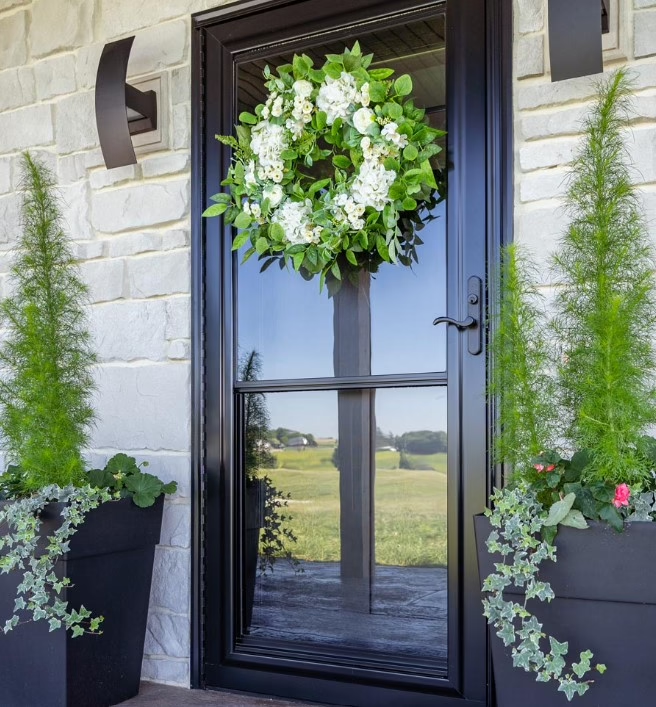
Storm Door Installation in Austin, TX — ProVia Storm Doors
A storm door installs over your existing entry door and does three things: it creates an air buffer between the two doors that reduces drafting, it takes the direct weather and UV exposure that would otherwise hit your primary entry door, and it gives you the option to leave the front door open without losing security or letting insects in. It’s one of the simpler exterior projects we do — a half-day installation with a clear, predictable outcome. Where it goes wrong is product quality and fit: a thin-gauge hardware store door with a poorly adjusted expander doesn’t seal correctly, and it shows wear within a few years under Central Texas heat and UV. We install ProVia storm doors exclusively — heavier gauge aluminum, better hardware, and a finish system built to last the life of the door it’s protecting. For the full door overview see the door replacement overview.
What a Storm Door Actually Does
Storm doors are often described as an energy efficiency upgrade — and they are, but the benefit is more nuanced than most homeowners expect. Understanding what a storm door actually delivers helps set accurate expectations before making the investment.
Air Sealing — The Primary Benefit
A storm door creates a second barrier between the exterior and your primary door — trapping a small air pocket between the two doors that reduces air infiltration meaningfully. On entry doors that are aging or have degraded weatherstripping, a storm door can noticeably reduce drafting without requiring a full entry door replacement. It’s also a practical first step if drafts and air infiltration are the primary complaint and the entry door itself is otherwise in good condition.
Primary Door Protection
Storm doors take the direct weather exposure that would otherwise hit the entry door — UV, rain, temperature swings, and physical contact. On a painted fiberglass or wood entry door, a storm door meaningfully extends the finish life by keeping direct sun and rain off the surface. For homeowners with a premium entry door investment, a storm door is a reasonable protection measure that pays for itself in extended finish and paint life.
Ventilation
Full-view and ventilating storm door configurations allow the primary door to be left open while the storm door handles security and screens. During Austin’s mild spring and fall seasons when opening the front door is practical, a storm door with a retractable screen or full-view glass gives you that option without compromising security or letting insects in.
When a Storm Door Is Not the Right Answer
Storm doors are not appropriate on all entry configurations. They should not be installed over doors that already have a full glass storm panel built in, on doors in recessed entries that are already significantly protected from weather exposure, or on entries where the primary door is failing and the real solution is replacement. A storm door over a deteriorating entry door is a cosmetic fix — not a structural one.
ProVia Storm Doors — What We Install and Why
We install ProVia storm doors exclusively — the same manufacturer we use for entry doors. ProVia builds storm doors with heavier-gauge aluminum than most competitors, better hardware, and finish systems that hold up under sustained UV exposure. In Austin’s climate, a cheap storm door with a thin aluminum frame and low-quality hardware looks weathered within three to five years. ProVia’s storm door line is built to last the life of the entry door it’s protecting.
ProVia Storm Door — What’s Standard
- Heavy-gauge aluminum frame — more rigid and durable than standard storm door aluminum
- Self-storing or retractable screen options — full glass in winter, screened in spring and fall
- Full-view, high-view, and decorative glass configurations
- Multiple finish colors — matched to ProVia entry door finish options for a cohesive exterior
- Pneumatic door closer — controls closing speed and prevents slamming
- Multi-point locking hardware on select configurations
- Expander at bottom — adjusts for threshold height variations
Full ProVia door line details including storm door configurations at ProVia doors page →
Why ProVia vs. Big Box Storm Doors
- Heavier gauge aluminum — big box doors use thinner stock that bends and warps under Austin heat
- Better hardware throughout — closer, handle, lock, and hinge quality all matter for a door used multiple times daily
- Finish durability — ProVia’s finish system holds color and sheen under sustained UV significantly better than entry-level storm doors
- Correct fit — professionally measured and installed to the actual rough opening dimensions rather than shimmed to approximate fit
- Warranty coverage — backed by ProVia’s manufacturer warranty, not a big box return policy
The difference between a ProVia storm door and a hardware store storm door shows up clearly within three to five years in Central Texas conditions.
Storm Door Configurations
Storm doors come in several configurations that affect how they function day-to-day. The right choice depends on how the entry is used and what the primary door looks like.
Full-View
Single large glass panel occupying most of the door. Showcases the primary entry door behind it. Best choice when the entry door itself is attractive and you want it visible. Self-storing screen retracts into the top rail when not in use.
High-View / Mid-View
Glass in the upper portion with a screen panel below — or glass with a retractable screen. Better ventilation when the primary door is open. Good choice for entries that face prevailing breezes and are used as ventilation during mild weather.
Decorative Glass
Patterned, frosted, or art glass panels. Adds visual interest when the primary door is plain or when privacy at the entry is a consideration. ProVia offers multiple decorative glass patterns coordinated with their entry door glass options.
Security Screen
Heavy-gauge perforated or woven metal screen rather than glass — provides airflow and visibility while adding a physical security layer. Less common but appropriate for entries that are left open frequently during the day.
What Storm Door Installation Involves
Storm door installation is simpler than entry door replacement but has details that matter — particularly the fit at the top, hinge side, and expander at the bottom. A storm door that isn’t correctly fitted gaps at the corners, rattles in the wind, and defeats most of the air sealing benefit it was installed to provide.
Opening Measurement and Assessment
Precise measurement of the existing door opening — not nominal size. Storm doors are cut and fitted to the actual opening dimensions. Existing door condition and trim condition assessed before anything is ordered.
Frame Installation
Hinge rail, latch rail, and top cap installed and fastened to the existing door frame using OSI sealant at all contact points. Frame verified plumb and square before the door panel is hung — a storm door frame that isn’t square produces a door that won’t close correctly.
Door Panel Hanging and Hardware
Door panel hung on frame, hinges adjusted for correct swing and clearance. Handle, lock, and closer installed and adjusted. Closer speed set so the door closes firmly without slamming — a common complaint on DIY storm door installations where closer adjustment is skipped.
Expander and Bottom Seal
Bottom expander adjusted to correct height for contact with the threshold — this is the most important air sealing detail on a storm door. An expander set too high leaves a gap at the bottom. Set too low and it drags on the threshold, wearing out the seal and making the door hard to open. Adjusted to seal firmly with light contact only.
Final Check
Door opened and closed multiple times, latch function verified, closer speed confirmed, and perimeter seal checked for gaps at all four corners. Screen or self-storing glass operation tested before closeout.
The full installation sequence for all door types is on the door installation process page.
Storm Door Cost in Austin
Storm door replacement is one of the more predictable exterior projects in terms of cost — the range is narrower than entry or patio doors because the scope is more consistent. What drives the range is primarily configuration and glass type.
* All ranges are installed cost including labor. Final price depends on glass selection, hardware, and configuration — all assessed and quoted before anything is ordered.
Frequently Asked Questions
Does a storm door actually help with energy efficiency in Austin?
Yes — but the benefit is primarily air sealing rather than insulation. A storm door creates a small air buffer between itself and the primary door that reduces air infiltration noticeably on entries where the primary door has degraded weatherstripping or isn’t sealing perfectly. The thermal insulation benefit of the storm door glass itself is modest. If drafts and air infiltration are the complaint, a storm door over an otherwise sound entry door is a cost-effective fix. If the primary door itself is failing, the storm door is not a substitute for entry door replacement.
Can a storm door be installed on any entry door?
Most standard entry door configurations can accept a storm door. The exceptions are doors in very deep recessed entries that are already well protected from weather exposure — in those cases the storm door provides little additional benefit. Storm doors are also not appropriate over doors that already have full-glass storm panels integrated, or over doors where the frame and surrounding trim are deteriorated. We assess the existing entry before recommending a storm door installation.
Will a storm door damage my entry door finish?
On south- and west-facing entries, a poorly ventilated storm door can trap heat between the two doors and accelerate paint or stain degradation on the primary door — a phenomenon called “heat buildup.” ProVia’s storm door configurations include ventilation options that address this. We factor in door orientation when recommending configurations and note heat buildup risk on affected exposures before installation.
How long does storm door installation take?
Most storm door installations are completed in two to three hours. There’s no rough opening work involved — the storm door frame attaches to the existing door frame. The scope is measuring, fitting, hanging, and adjusting hardware and closer.
Why not just buy a storm door from a hardware store and install it myself?
Hardware store storm doors are thinner gauge aluminum with lower quality hardware — and the difference shows within a few years under Austin’s heat and UV. A big box storm door that looked fine on install day typically has a bent frame, failing closer, and faded finish within three to five years. ProVia’s storm door line is built to a different standard. The installation also matters — a storm door that isn’t correctly fitted and adjusted at the expander and closer doesn’t deliver the air sealing benefit it’s supposed to provide.
Adding a Storm Door to Your Entry?
We’ll measure the existing opening, walk you through ProVia’s configurations for your specific entry, and give you a written scope before anything is ordered. No deposit required to get started.
- ProVia storm doors exclusively — not big box product
- No deposit required to get started
- Written scope before any work begins
- 10-year workmanship warranty on every installation