

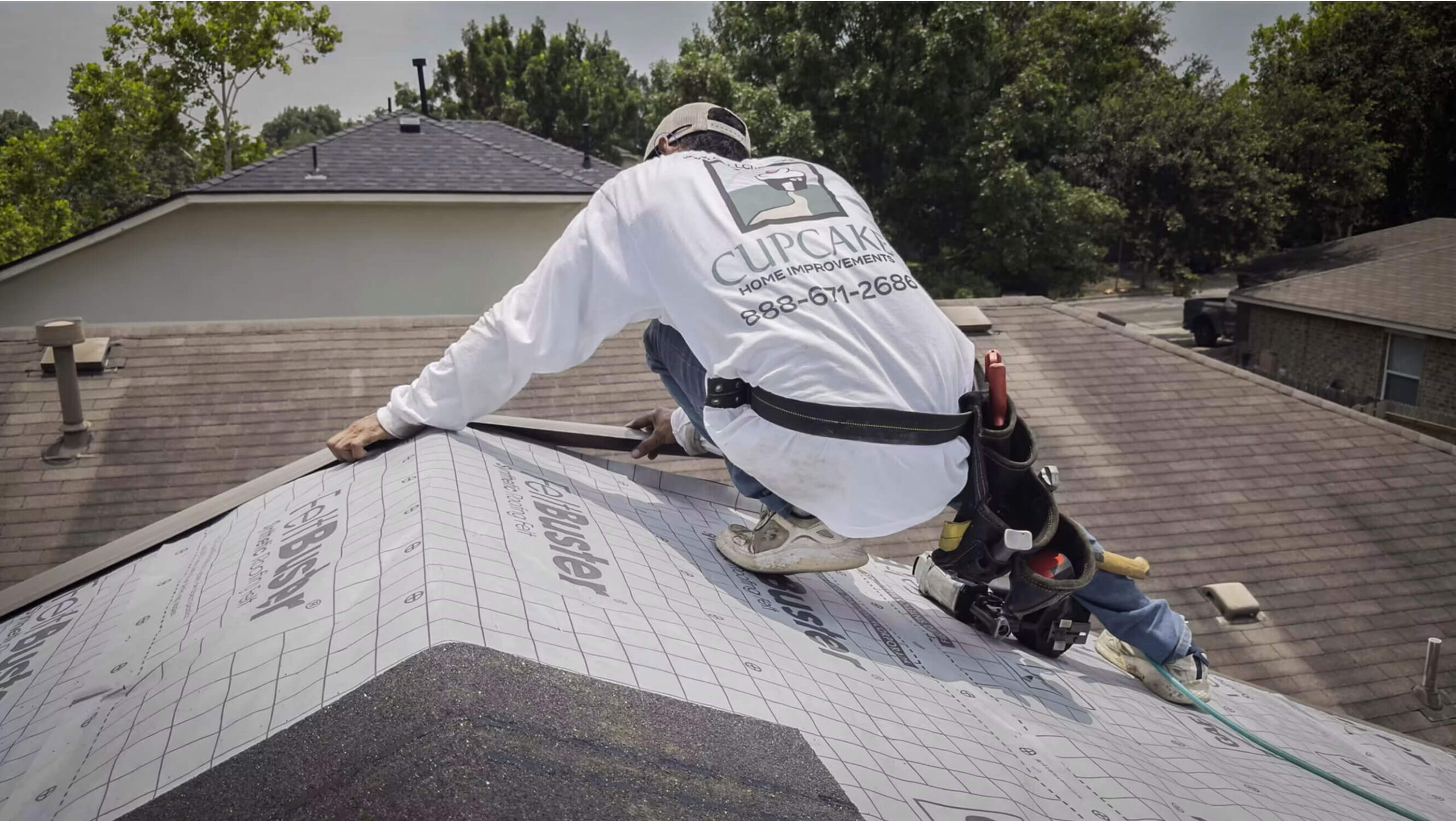
Why This Decision Isn’t Obvious From One Leak or One Shingle
Homeowners ask, “Do I need a roof repair, or do I need a full roof replacement?” The frustrating truth is that you can’t answer that question from the driveway—and you definitely can’t answer it from one symptom.
This page is part of our roofing education resource. It’s designed to help you make a clear decision without pressure by understanding what actually separates a repairable roof from a roof that’s failing as a system.
If you’re trying to connect symptoms (leaks, granule loss, heat issues, nail pops, etc.) to root causes, start with common roofing problems. This page focuses on the decision: repair vs. replace.
The Real Difference: Is the Problem Isolated or Systemic?
A repair makes sense when the problem is isolated—a specific area failed, but the roof system around it is still doing its job. Replacement makes sense when the problem is systemic—the roof is breaking down across multiple areas or the system design is causing repeated issues.
The mistake most homeowners make is treating a systemic roof like it’s an isolated problem. That’s how you end up paying for “repairs” that keep coming back.
When Roof Repair Is the Right Call
Roof repair is usually the right move when the roof still has meaningful remaining life and the damage is limited to a small, clearly-defined area.
- Localized leaks caused by flashing, pipe boots, sealant failure, or a specific penetration
- Small areas of wind damage (missing/lifted shingles) where surrounding shingles are still in good condition
- Repairable transitions (chimney/wall details) where the underlying system is still sound
A proper repair fixes the cause and restores water-shedding performance. It does not “chase symptoms” with caulk and patchwork.
If your situation points toward repair, our roof repair services page explains what we inspect, what repairs typically involve, and when repairs are appropriate.
Repairs are usually a poor investment when the roof has widespread wear, recurring leaks, multiple layers, or ventilation/design issues that are accelerating failure.
When Roof Replacement Is the Smarter Option
Replacement is typically the better decision when the roof is failing as a system rather than suffering one isolated issue. In those situations, repairs become temporary stopgaps—and the long-term cost often ends up higher.
- Age + wear: the roof is near the end of its realistic service life in Texas
- Widespread material breakdown: consistent granule loss, brittle shingles, or multiple problem areas
- Recurring leaks: the same leak returns or new leaks appear after “repairs”
- System issues: ventilation imbalance, repeated overheating, or workmanship defects that affect large sections
- Multiple layers: existing roofing layers that limit inspection, increase weight, and complicate future repair
Replacement doesn’t just stop a leak. It resets the roof system so underlying problems can be corrected—decking condition, ventilation design, flashing details, and vulnerable transitions.
If your decision is heavily influenced by age and climate exposure, our guide on how long a roof lasts in Texas explains what shortens roof life here and why “manufacturer lifespan” is rarely what homeowners experience in the real world.
Can You Install a New Roof Over an Existing One?
This is one of the most common homeowner questions: “Can’t we just put a new roof over the old one?” Sometimes building codes allow an overlay (also called a roof-over), but it’s rarely the best long-term decision.
Overlaying does not allow a full inspection of the roof decking and it does not correct hidden issues under the existing layer. Any trapped moisture, deteriorated decking, or workmanship problems remain sealed beneath the new shingles.
There are also performance tradeoffs: additional weight, reduced nail penetration into the decking, and warranty limitations depending on the system and installation details. It can also make future repairs harder because you’re working through multiple layers.
When a roof has reached the point where repair is no longer reliable, a proper tear-off replacement is usually the responsible path—because it restores the system instead of covering it.
Cost: The Expensive Option Is Often the One You Repeat
Repairs are usually cheaper upfront. The trap is paying for the same category of repair multiple times because the roof is failing systemically.
Replacement costs more initially, but it typically delivers better long-term value when the roof has widespread wear or repeated failure points.
If you want a Central Texas-specific breakdown of what drives pricing, see roofing costs in Austin, TX.
How Insurance Changes the Decision (and How It Doesn’t)
Insurance can affect whether replacement is financially feasible, but it shouldn’t be the only factor. Most policies cover sudden damage—not normal aging—so insurance approval doesn’t always align with what will perform best long-term.
If you’re navigating a claim, our roofing insurance education page explains how inspections, scopes, and payments typically work so you can set realistic expectations.
What a Professional Roofing Evaluation Should Actually Deliver
A real evaluation should make your decision easier—not pressure you toward a contract. You should walk away understanding what’s happening, why it’s happening, and what options are truly responsible.
- Inspection of shingles, flashing, penetrations, and transitions
- Assessment of ventilation and attic conditions that affect roof performance
- Clear documentation of damage and risk areas
- Transparent explanation of repair vs. replacement tradeoffs
If you want to see exactly how we run that process, start here: what to expect on your roofing appointment.
Quick Decision Summary
Repair may make sense if:
- The roof is relatively young and otherwise performing
- Damage is limited to a small, identifiable area
- The issue is tied to a repairable detail (flashing/penetration)
Replacement may make sense if:
- The roof is near the end of its realistic Texas lifespan
- Problems keep returning or spreading
- Wear is widespread (granule loss, brittleness, repeated leaks)
- The roof system has underlying design/workmanship issues
Not Sure Which One You Need?
If you’re unsure whether repair or replacement is the right move, the best next step is a professional evaluation focused on clarity—not pressure. We’ll show you what we see, explain the tradeoffs, and help you make a decision you won’t regret later.