
A ridge vent can be one of the best attic exhaust options on a residential roof—when it’s designed correctly and paired with enough intake ventilation.
Most homeowners don’t go looking for “ridge vents.” They notice symptoms: a consistently hot attic, uneven cooling between floors, moisture smells, or shingles that seem to age faster than expected. Those symptoms often show up alongside other issues we cover in our common roofing problems guide.
This page explains what ridge vents do, how they differ from box vents, and the most common reasons ridge vent systems underperform.
What a Ridge Vent Does (and What It Doesn’t)
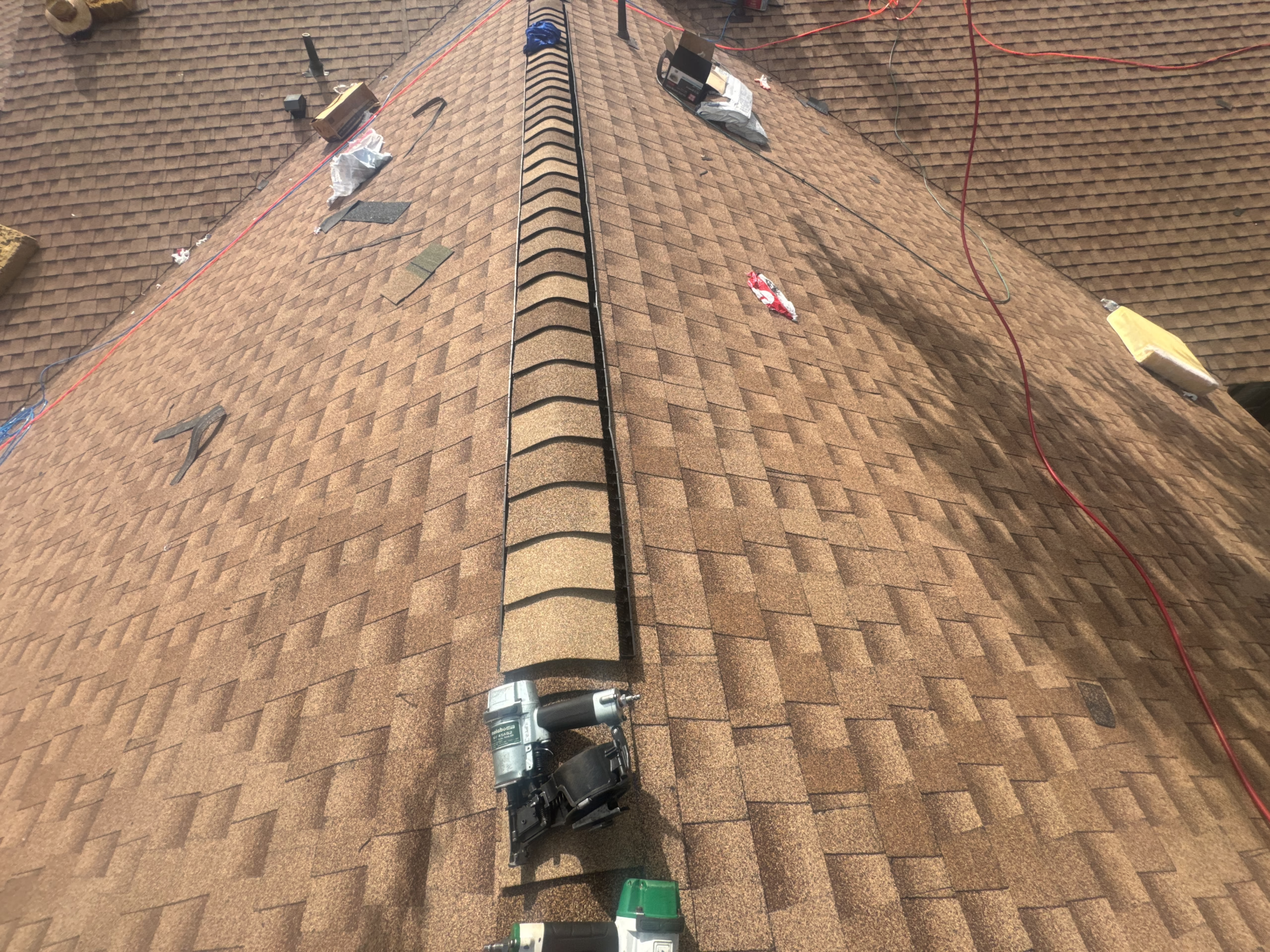
A ridge vent is an exhaust vent installed along the peak of a roof. Because it sits at the highest point, it can provide a more consistent exhaust path than isolated vents—but only if air can enter low and move upward through the attic.
- What it does: provides continuous exhaust along planned ridge sections so hot, moist air can exit evenly.
- What it doesn’t do: “fix ventilation” by itself if intake is missing, blocked, or the system is short-circuiting.
In other words: ridge vents can be excellent—yet still fail—when the overall intake/exhaust system isn’t balanced.
Box Vents vs. Ridge Vents
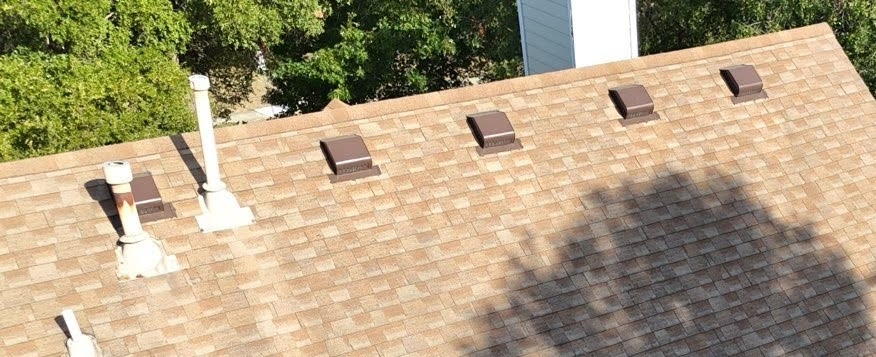
Many homes use box vents (also called static, turtle, slant-back, or airhawk vents). They can work, but they exhaust heat at specific points rather than providing a continuous exit path.
- Airflow is strongest near each vent and weaker between vent locations.
- Performance depends heavily on placement, roof layout, and intake.
- Homes can end up with uneven attic temperatures across different sections.
Ridge vents, when planned correctly, aim to create a more uniform exhaust path across intended sections of the roof.
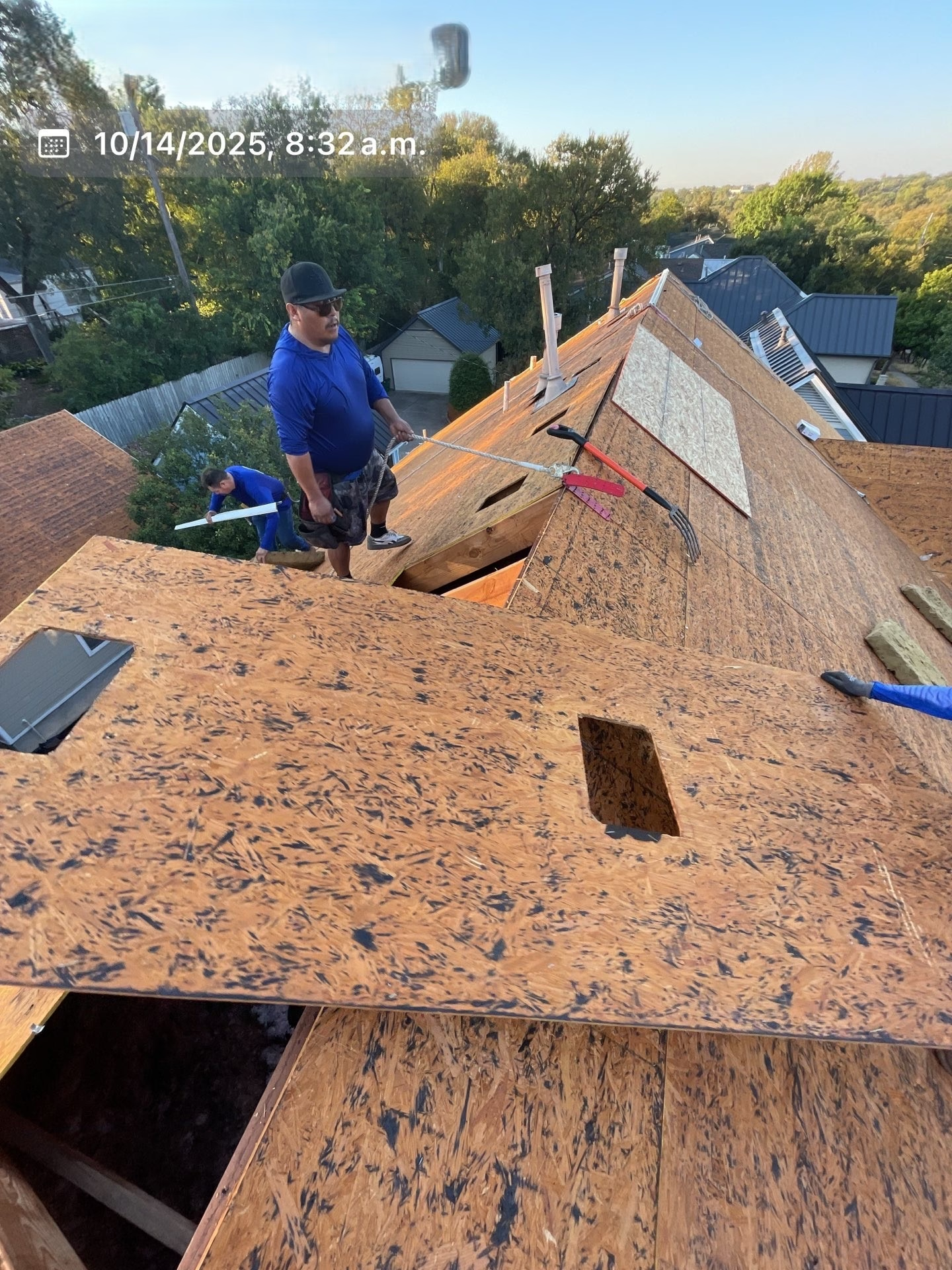
When a roof is converted from box vents to ridge vent during replacement, it’s not just “adding a vent at the peak.” The roof needs a coherent exhaust strategy, and old penetrations may need to be addressed so airflow and weatherproofing behave the way they should.
The Most Common Reason Ridge Vents Don’t Work: No Intake
A ridge vent can only exhaust the air that has a path into the attic. If intake ventilation (typically soffits) is missing or blocked by insulation, paint, or debris, airflow stalls.
- What homeowners notice: “We have ridge vent but the attic is still brutal.”
- What’s usually happening: exhaust exists, but intake is restricted, so air can’t move through the attic.
This is one of the most common ventilation failures we see and it overlaps heavily with the mistakes covered in attic ventilation mistakes to avoid.
A ridge vent system must be planned (not installed everywhere)
Ridge vent is not “slap it on the whole ridge and call it good.” Proper ventilation requires calculating attic needs, confirming intake capacity, and then installing ridge vent only where it supports balanced airflow for that roof design.
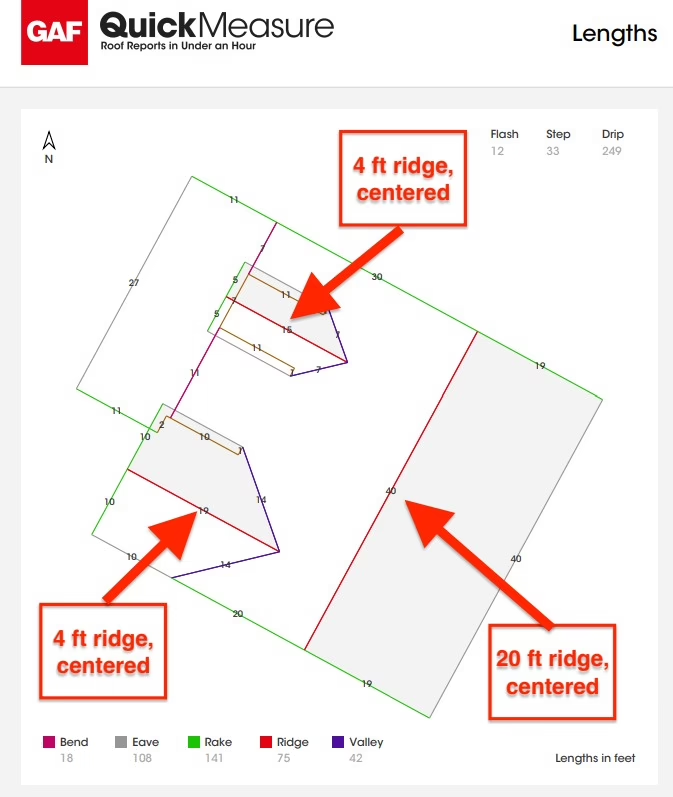
Planning matters because too much exhaust without enough intake reduces performance and can create unintended pressure behavior in the attic.
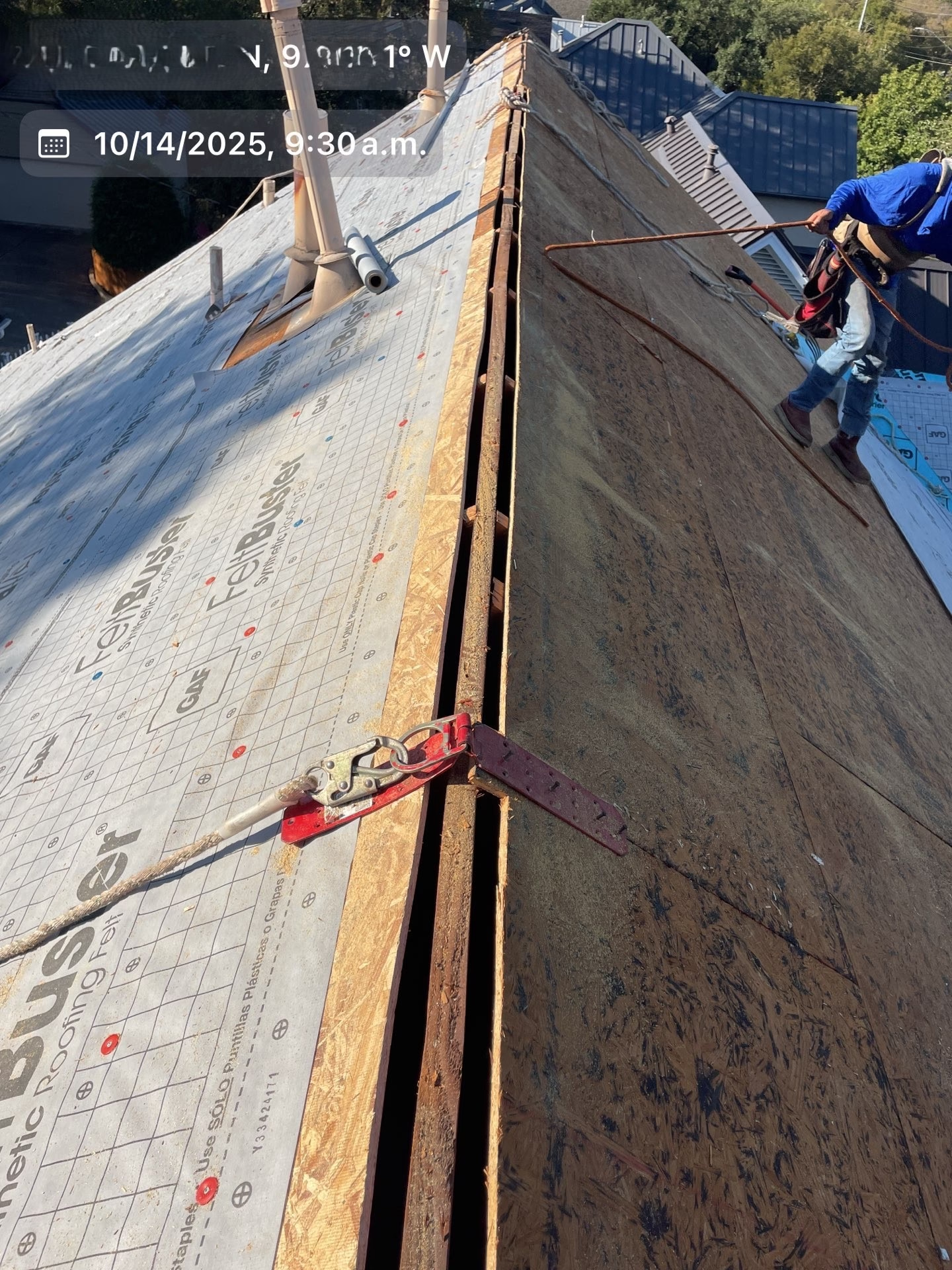
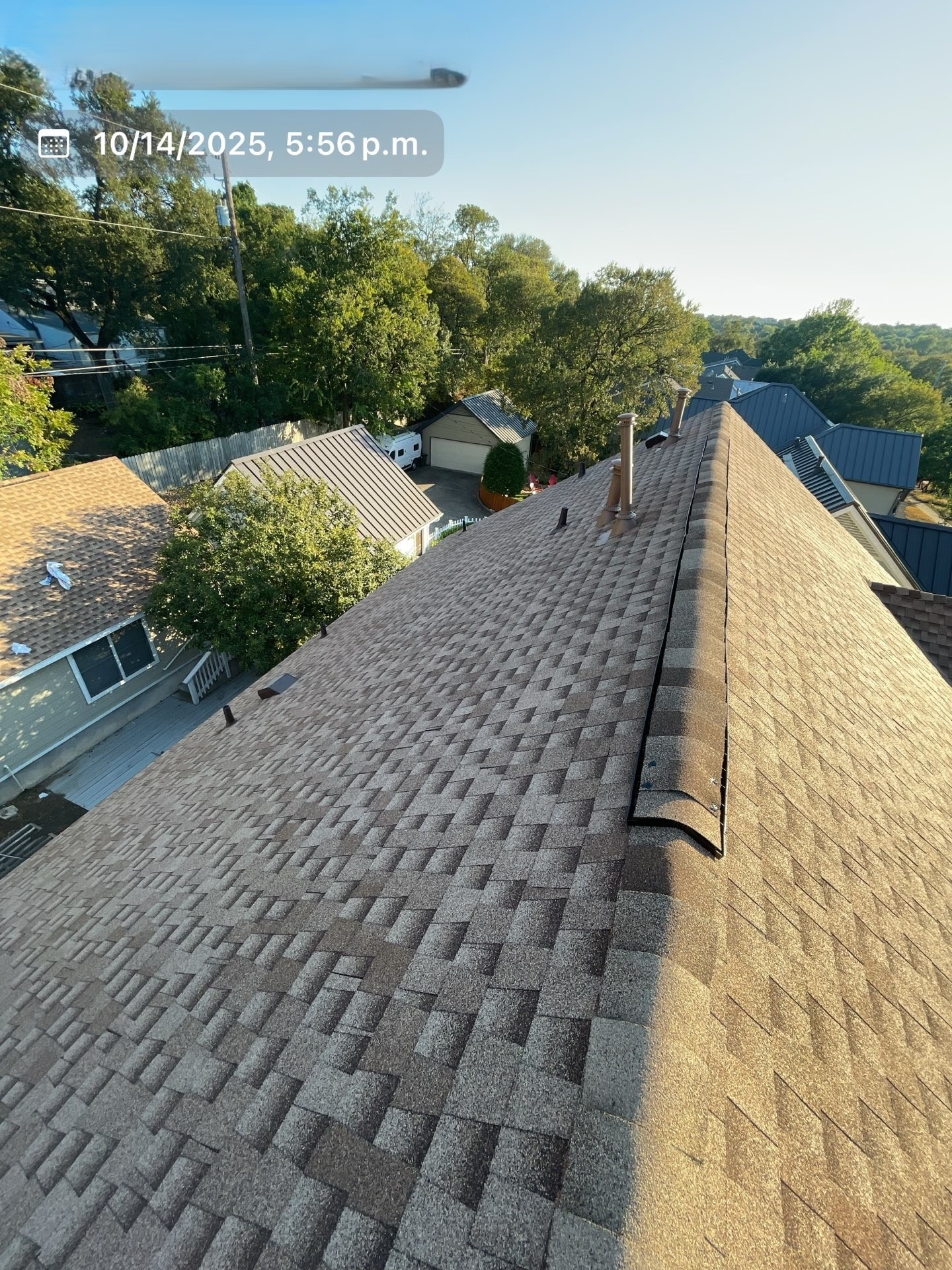
Ridge vents are not the right answer for every roof shape, but when they fit the roof design and the intake is correct, they’re a strong, low-profile exhaust option.
Signs Ventilation May Be Underperforming
Ventilation issues are often identified by symptoms rather than a single visible “broken part.” Common indicators include:
- Attic stays excessively hot during warm months
- Uneven cooling between floors (upstairs harder to cool)
- Moisture smells, staining, or visible mold in attic areas
- Shingles showing early heat-related wear patterns
These symptoms often overlap with roof aging and performance concerns. If you’re trying to calibrate what’s “normal” for our climate, see how long a roof lasts in Texas.
When Ventilation Is Best Evaluated
Ventilation is easiest to evaluate (and correct) during roof replacement or major roof repairs—when decking, penetrations, and exhaust paths are accessible and the intake situation can be verified.
If you want a professional to confirm whether ventilation is contributing to heat, moisture, or premature wear, here’s what our process looks like: what to expect on your roofing appointment.