

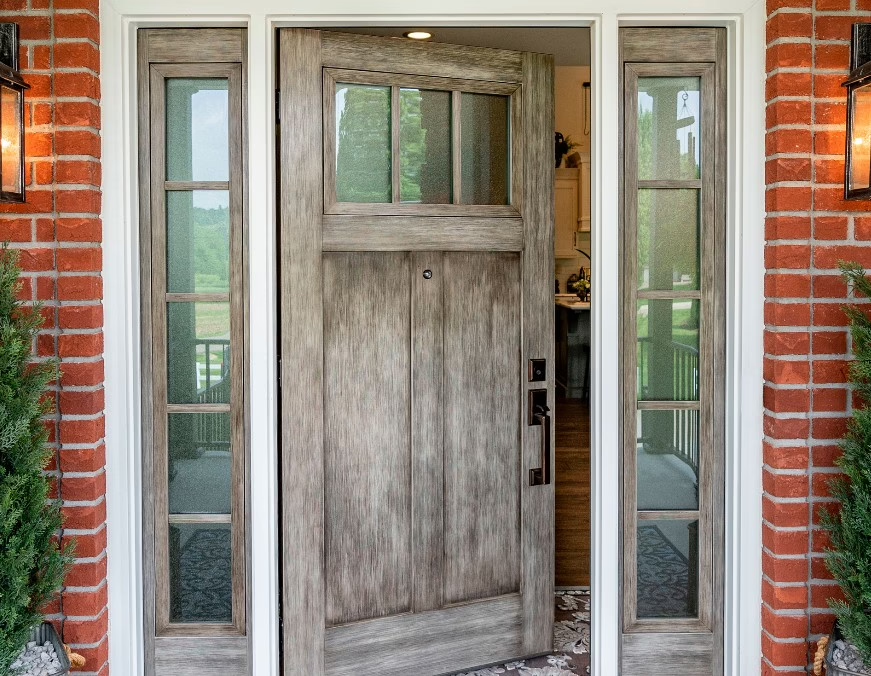
Front Entry Door Replacement Greater Austin Metro
The front entry door is the most used door in the home and the one that takes the most direct weather exposure — sun, rain, wind, and the daily mechanical stress of opening and closing. When it starts failing the signs are gradual: weatherstripping that no longer seals, a finish that’s lost its color, a threshold that’s drafting, or a frame that’s soft around the edges. The replacement decision involves more variables than most exterior projects — material, glass, configuration, and what the rough opening actually needs before a new door goes in. The price range reflects that: a straightforward steel replacement is a few hundred dollars installed, a custom fiberglass door with sidelights and decorative glass can reach $25,000. We install ProVia and Pella entry doors — ProVia for most projects, Pella when the situation calls for it. For the full door overview see the door replacement overview.
What to Consider Before Choosing a Front Entry Door
Front entry door replacement involves more variables than most other exterior projects. Getting the sequence right — evaluating the opening before selecting the product — is what separates a replacement that performs correctly for decades from one that looks good on installation day and develops problems within a few years.
Rough Opening Condition
The rough opening, existing frame, and surrounding framing condition determine whether a direct replacement is straightforward or whether corrections are needed before the new door goes in. Water intrusion around aging entry doors is common in Austin — failed flashing, degraded perimeter caulk, and frame rot can all be present without being visible from inside. The opening gets assessed before any product is selected or ordered.
Material — Steel, Fiberglass, or Wood
Steel doors are stronger per dollar and provide excellent security at a lower price point. Fiberglass doors are dimensionally stable, won’t dent, rust, or warp, and are available in wood-grain textures that can be stained to look like real wood. Wood doors — Pella Reserve and Lifestyle — are available when genuine wood is the right answer, with aluminum cladding available to reduce the maintenance cycle. In Central Texas’s heat and UV conditions, fiberglass holds its finish significantly better than steel over time, and aluminum cladding meaningfully extends wood door performance on exposed entries. See the door materials overview for the full comparison.
Glass and Sidelights
Glass options range from basic clear to decorative art glass with privacy levels, and from a simple door lite to full sidelights and transoms. Each glass unit has its own energy performance characteristics. In Austin’s west- and south-facing exposures, low-e glass in sidelights matters more than most homeowners realize — an entry system with large clear glass sidelights facing west can meaningfully affect cooling load.
Security and Hardware
Lock block construction, hinge stile thickness, and multipoint locking systems vary significantly between door lines and affect both security and long-term structural performance. A door that looks identical on the outside can have meaningfully different structural reinforcement depending on the series. This is especially relevant on fiberglass doors where the internal frame construction varies between product tiers.
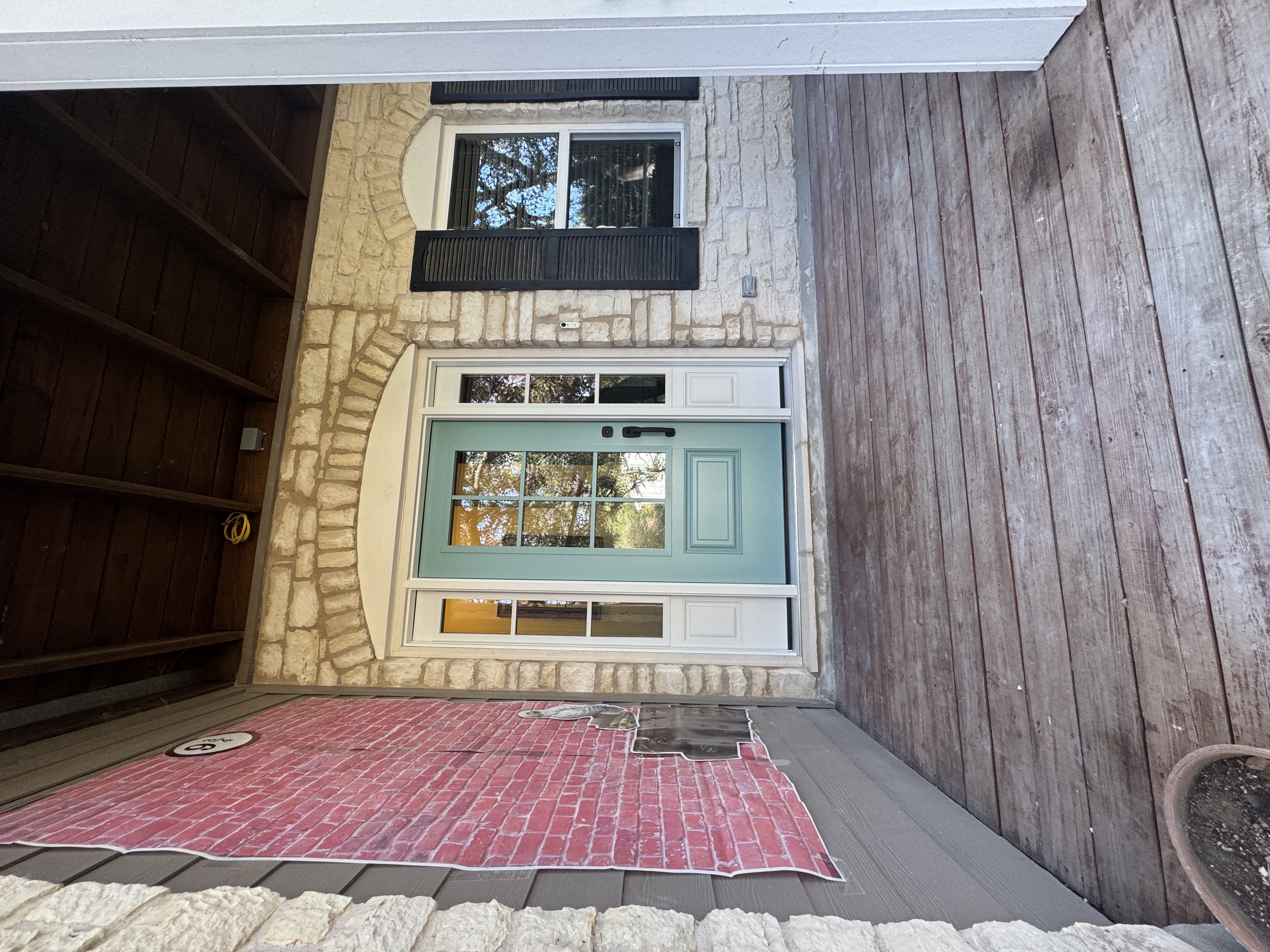
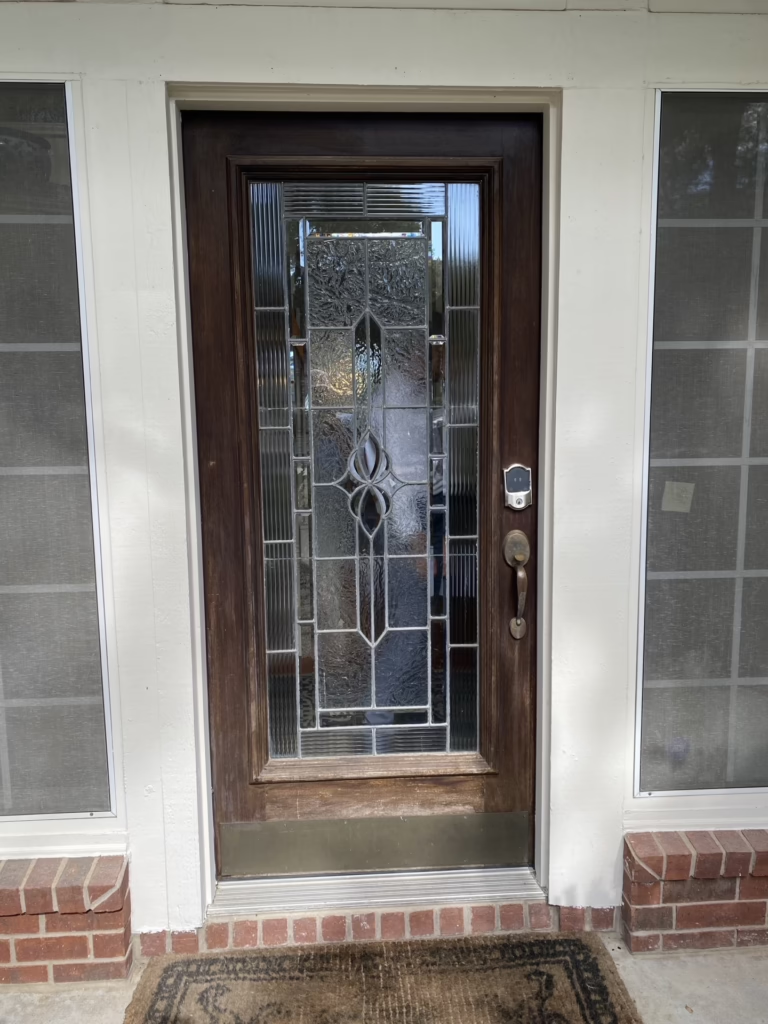
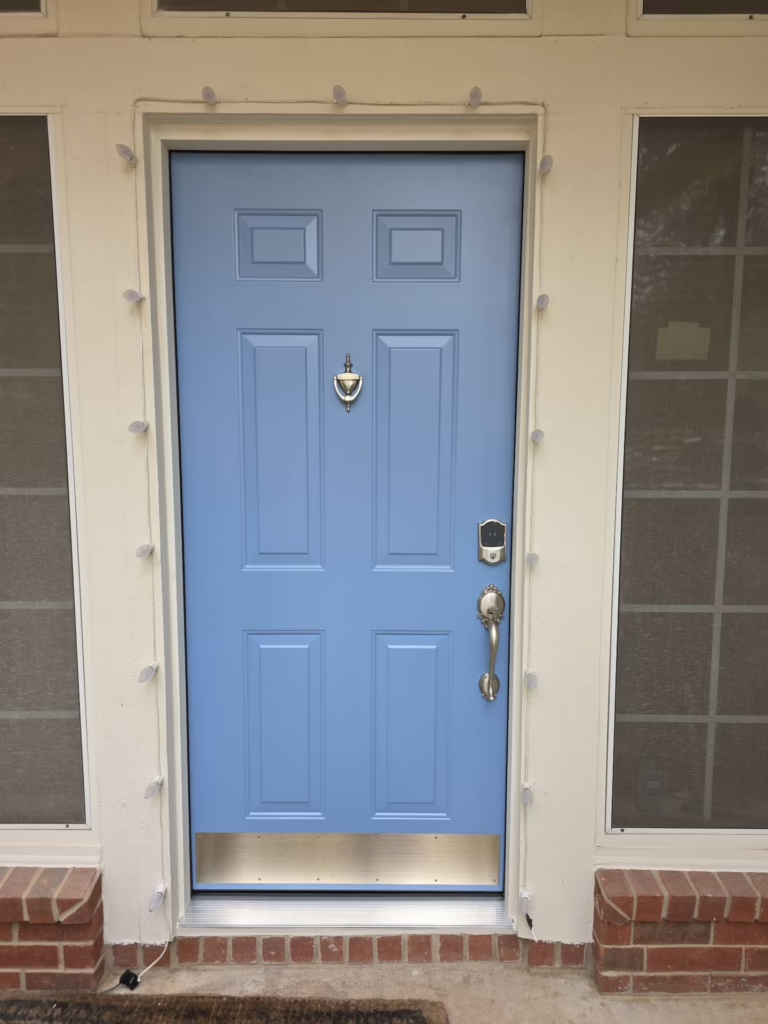
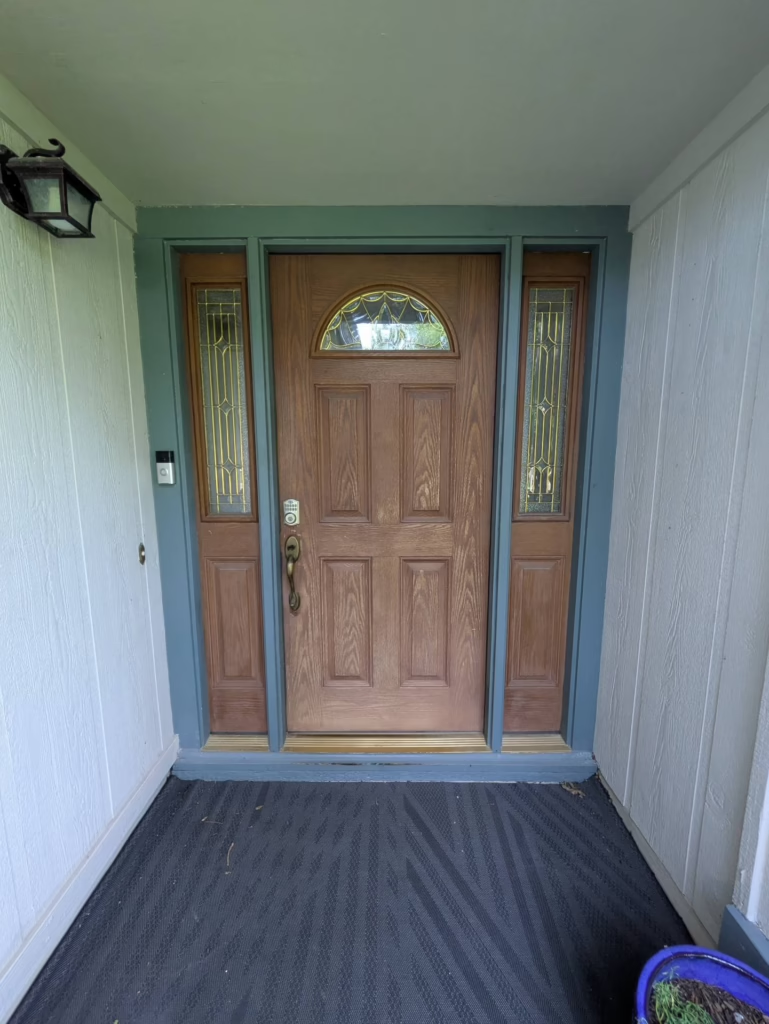
Recent Front Entry Door Projects Across the Austin Area
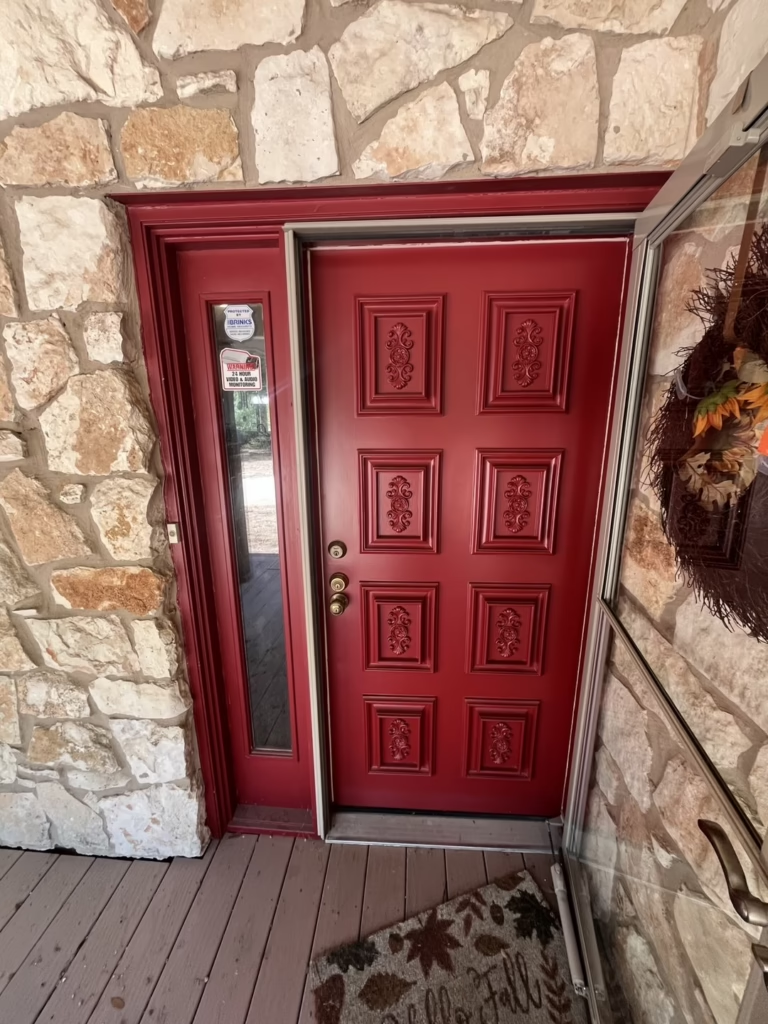
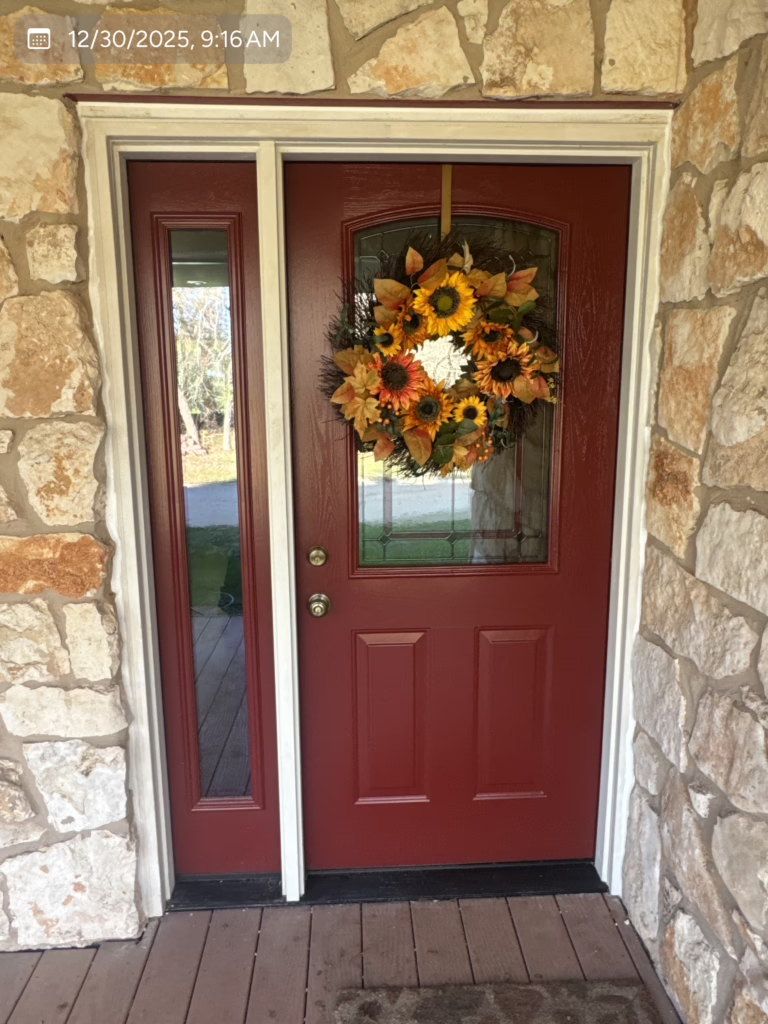
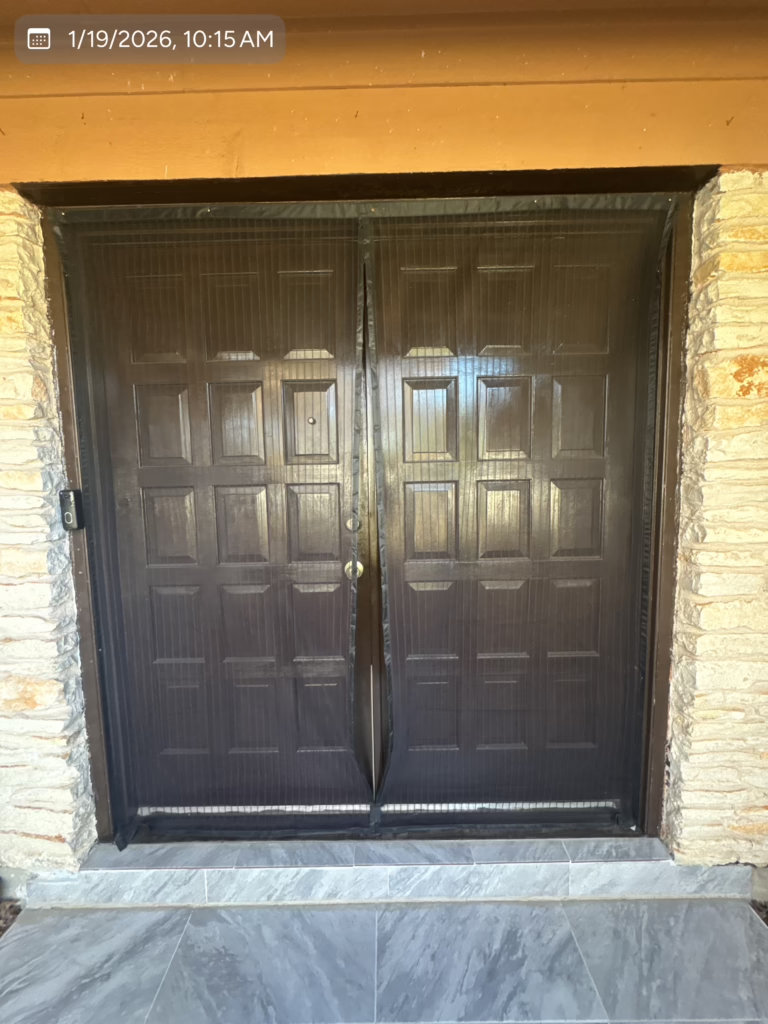
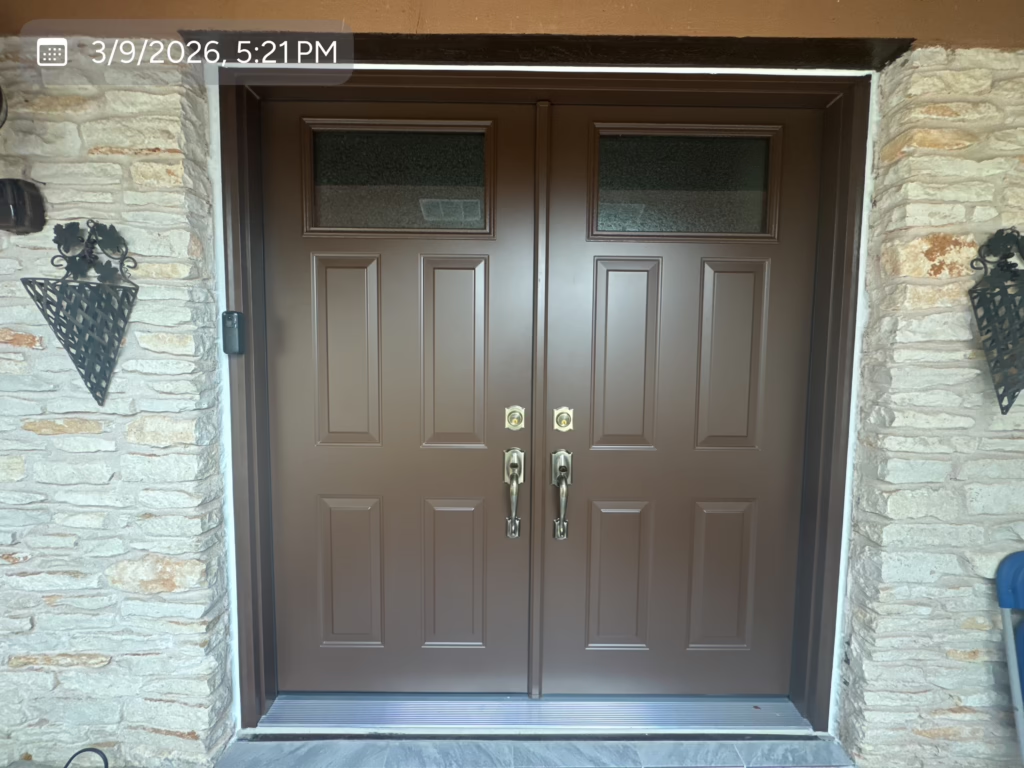
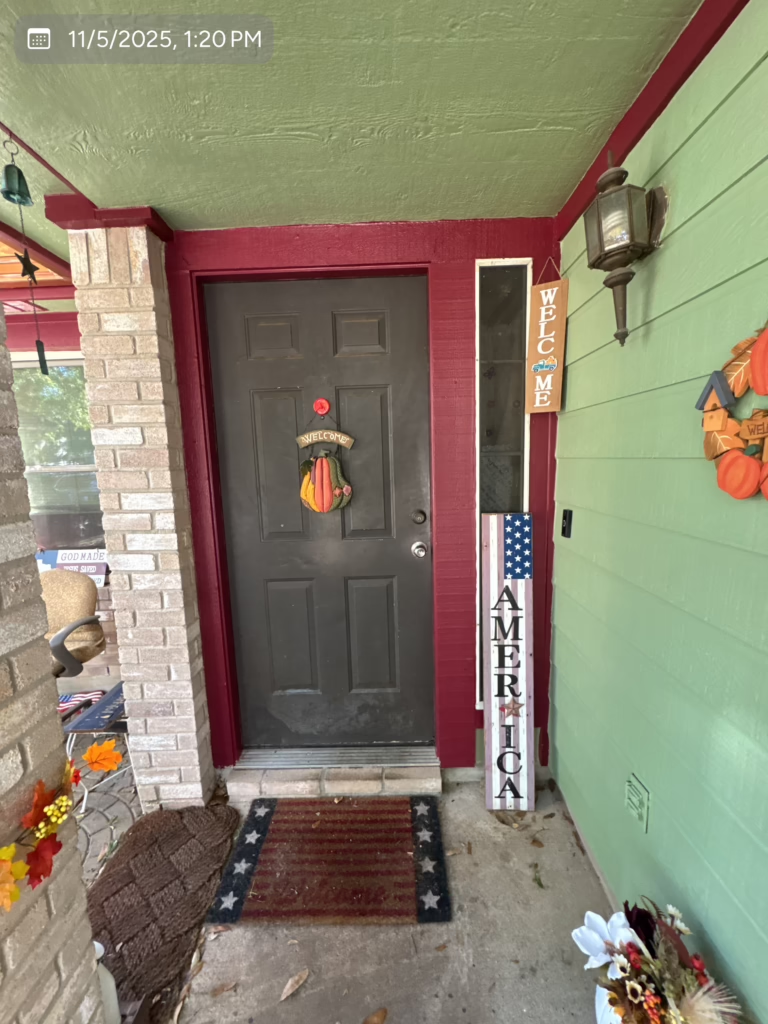
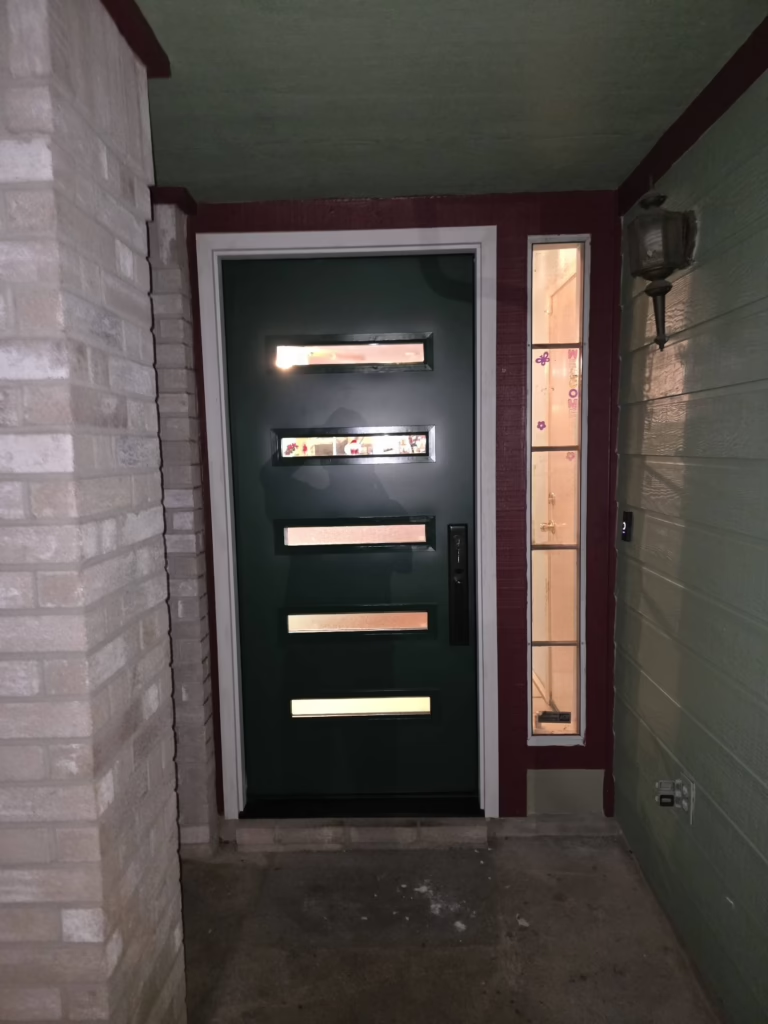
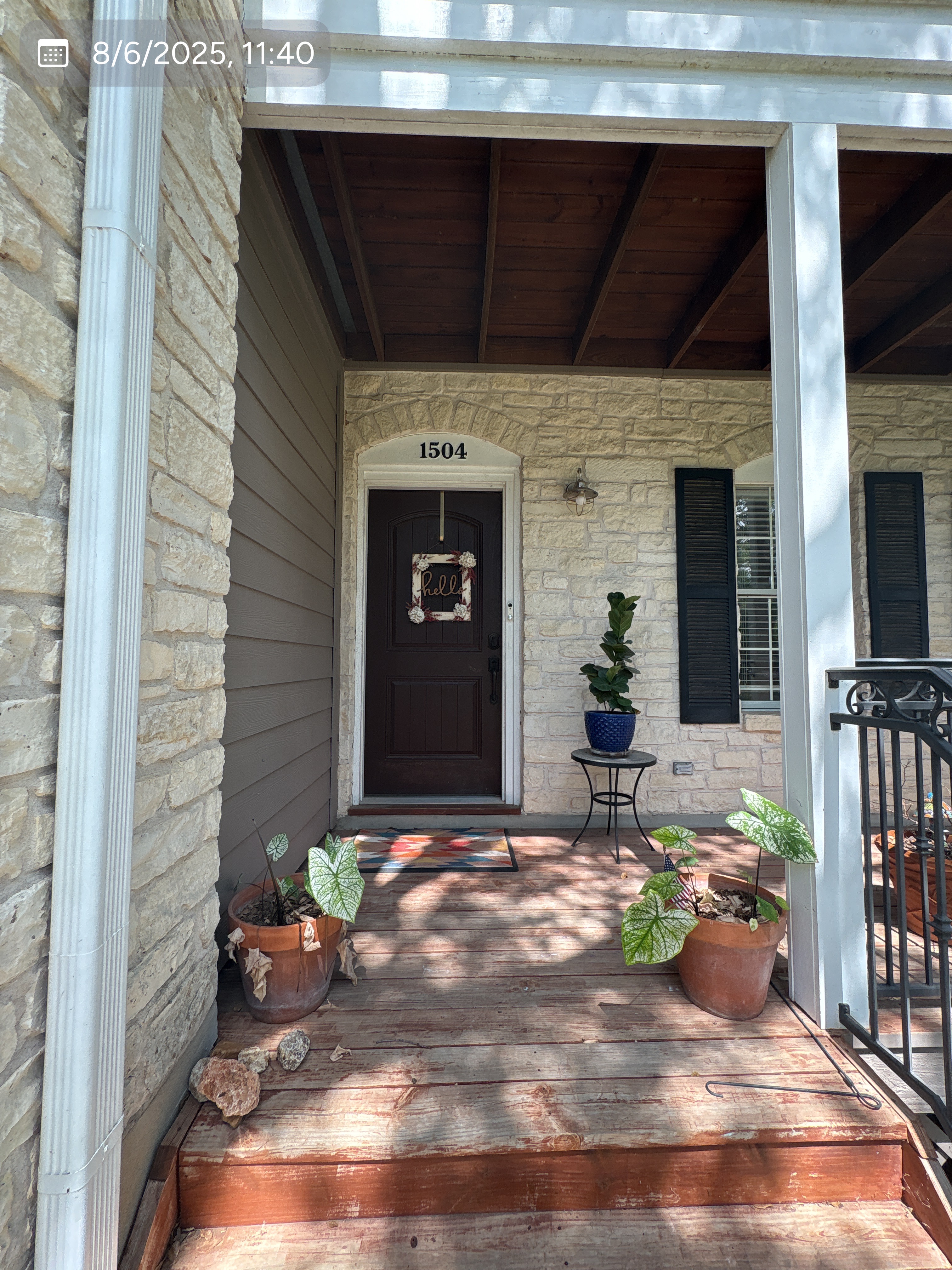
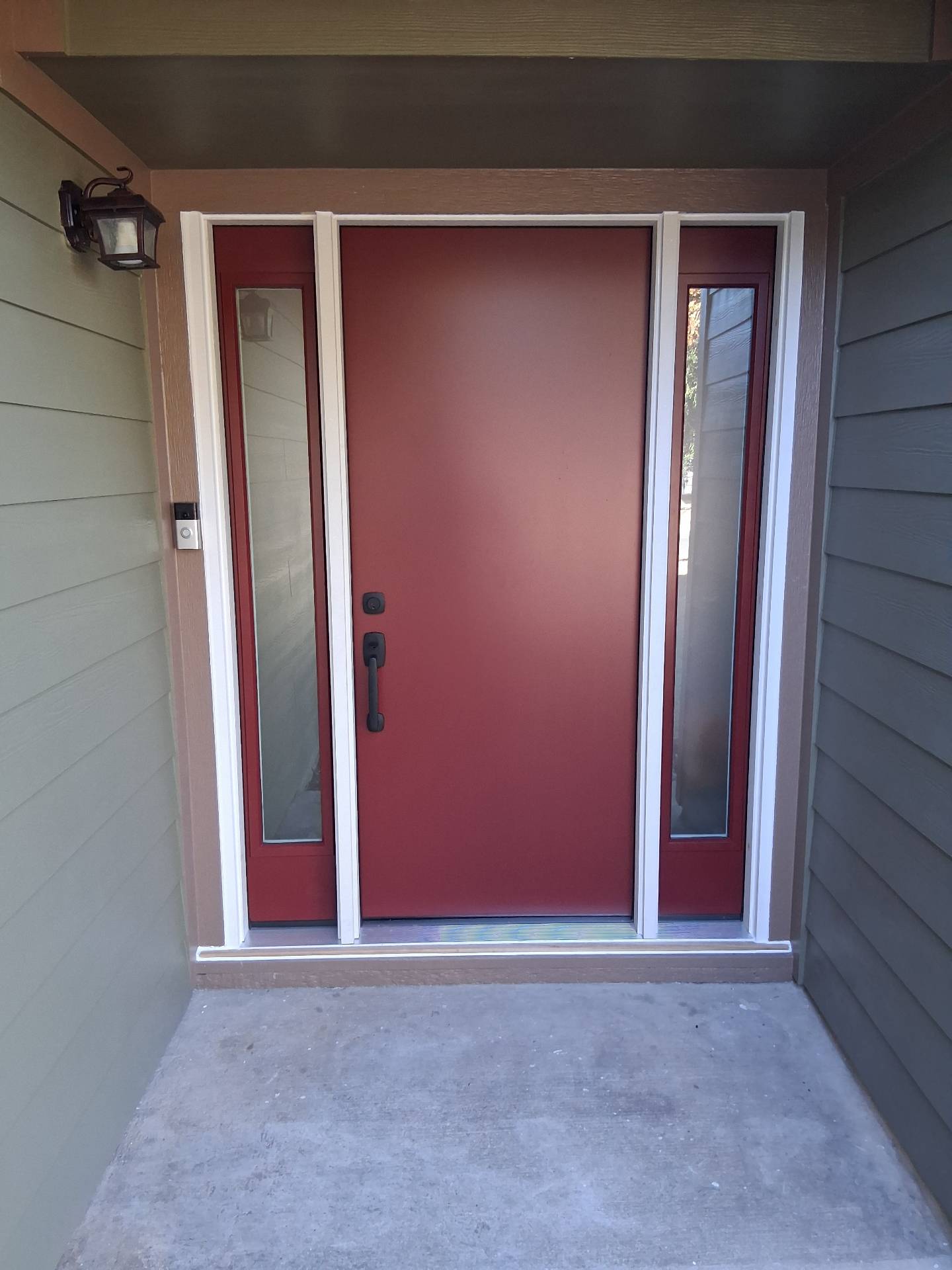
Real front entry door installations completed for Austin-area homeowners — before and after, different materials, different styles. This is what a properly installed front entry door looks like when the framing, weatherstripping, and finish details are handled correctly.
ProVia Entry Door Lines — What’s Different Between Them
ProVia is our primary entry door manufacturer. They produce three distinct door lines — Signet, Ascent, and Legacy — that address different budgets, aesthetics, and performance requirements. The differences between them are substantive, not just cosmetic.
| Feature | Signet® — Premium Fiberglass | Ascent™ — Mid Fiberglass | Legacy™ — Steel |
|---|---|---|---|
| Material | Fiberglass with wood-core construction | Fiberglass with wood stiles | 20-gauge steel — 49% thicker than standard 24-gauge |
| Positioning | Top of line — maximum structural strength, premium wood aesthetics | Modern fiberglass — contemporary designs and White Oak woodgrain | Strength, security, and value |
| Construction | 2⅝” finger-jointed 3-ply hardwood hinge stile; 4¼” 4-ply hardwood strike stile; dovetailed stiles and rails; skins permanently glued to frame | 2⅝” wood stiles; dowel-pinned rod-reinforced corners; thicker fiberglass skin; lock block reinforcement | Continuous steel skin wrapping edges; tab-and-slot mechanical interlock; composite lock block; foam-filled insulation |
| Wood Texture | Mahogany, Cherry, Oak, Knotty Alder, Fir, or Smooth — created via Nickel Vapor Deposition technology | White Oak (wide or traditional embossing) or smooth contemporary — created via premium laser/acid etching | Smooth, woodgrain textured, high-definition embossed, or Shaker embossing |
| Insulation | Computer-controlled polyurethane foam core | Polyurethane foam fill | Foam-filled insulation |
| U-Factor | As low as 0.16 | Similar fiberglass performance | As low as 0.17 |
| Finish Warranty | 15 years — DuraFuse™ finishing system with P3 Fusion | 10 years | 10 years |
| Threshold | Auto-adjusting Z-AC threshold | Z-AI adjustable threshold | Z-AC auto-adjusting threshold |
| ENERGY STAR | Capable | Capable | Capable |
| Starting Range | Mid to upper range — premium product | Mid range | Entry to mid range — best value per dollar |
The right series depends on what matters most for your specific situation. Signet is the answer when wood aesthetics, maximum structural integrity, and the longest finish warranty are the priority. Ascent is the right call when contemporary design and White Oak woodgrain are the target look. Legacy is the answer when security and budget are the primary drivers and the finished look is less important than performance per dollar. Full ProVia door line details are on the ProVia doors page.
For homeowners where real wood is the right answer — historic properties, custom architectural applications, or simply a preference for genuine wood — we install Pella Reserve and Lifestyle wood entry doors. Both are available with aluminum cladding on the exterior that takes the direct weather exposure and meaningfully reduces the refinishing cycle that bare wood entry doors require in this climate.
Steel vs. Fiberglass Entry Doors — The Central Texas Case
The steel vs. fiberglass decision is the most common question on entry door replacements, and in Central Texas conditions it has a clear answer for most homeowners.
Steel — Where It Wins
- Best security per dollar — inherently stronger material
- Lower installed cost — most accessible price point
- Dent-resistant under moderate impact
- Strong thermal performance at the price point
- Can rust if finish is compromised — especially on west-facing exposures in Austin heat
- Dents permanently — unlike fiberglass which can sometimes be repaired
- Finish degrades faster under sustained UV compared to premium fiberglass
- Cannot be stained — paint only
Fiberglass — Where It Wins
- Won’t rust, warp, rot, or crack under Austin heat and UV
- Can be stained to look identical to real wood
- Dimensionally stable — won’t expand/contract and bind seasonally
- Longer finish warranty — up to 15 years on Signet
- Better long-term aesthetics — holds appearance decade over decade
- Higher upfront cost than steel
- Can crack under severe impact (though harder to damage than steel in denting)
Full material comparison across all door types at door materials overview →
For most Austin-area homeowners planning to stay in the home long term, fiberglass is the stronger choice — particularly on south- and west-facing entries where sustained UV exposure degrades steel finishes significantly faster than manufacturer warranties suggest. For budget-constrained projects or north-facing entries with limited sun exposure, ProVia Legacy steel delivers strong performance at a lower price point.
What a Correct Entry Door Installation Involves
Front entry door installation is not a drop-in replacement. The rough opening condition, flashing details, and perimeter sealing determine whether the new door performs correctly — and most of the common failures on entry doors that develop within the first few years trace back to installation shortcuts rather than product defects.
Opening Assessment
Existing frame removed, rough opening inspected for rot, moisture damage, and out-of-square framing before anything is measured or ordered.
Sill Pan Flashing
OSI sill pan flashing installed at the base of the rough opening — the most common water intrusion point on entry doors and the detail most often skipped.
Door Installation
Door unit set level, plumb, and square in the rough opening per manufacturer installation requirements. Shimming and fastening to specified tolerances.
Jamb Flashing
OSI flashing tape applied at jambs, integrating with the sill pan and lapping correctly over the weather-resistant barrier to drain any incidental water outward.
Head Flashing
Head flashing installed above the door frame — tucked under the WRB and over the trim — before any exterior trim or casing is applied.
Insulation and Seal
Low-expansion foam insulation in the gap between door frame and rough opening. Perimeter caulked with permanently flexible sealant. Threshold adjusted and verified.
The full installation sequence — including what we check at every stage before moving to the next — is on the door installation process page.
Front Entry Door Cost
Front entry door replacement in Austin has one of the widest price ranges of any exterior project — from a straightforward steel door replacement to a custom fiberglass unit with full sidelights, transoms, and decorative glass. What drives the range is almost entirely product selection and configuration, not installation labor.
* All ranges are installed cost including labor. Final price depends on glass selection, hardware, configuration, and rough opening condition — all of which are assessed and quoted before anything is ordered.
Frequently Asked Questions
How long does a front entry door replacement take?
Most single front entry door replacements are completed in one day. Custom doors with sidelights and transoms may require two days depending on configuration and rough opening corrections needed. We don’t leave unprotected openings overnight.
Should I choose fiberglass or steel for my entry door in Austin?
For most Austin-area homeowners planning to stay long term, fiberglass is the stronger choice. Central Texas’s heat and UV exposure degrade steel finishes faster than in moderate climates — rust risk is real on south- and west-facing entries that take sustained direct sun. Fiberglass won’t rust, holds its finish longer (up to 15 years on ProVia Signet), and can be stained to look like real wood. Steel is the right answer when budget is the primary driver or the entry doesn’t get significant direct sun exposure.
What is the difference between ProVia Signet and Ascent?
Both are fiberglass lines — the differences are in construction, woodgrain technology, and positioning. Signet uses Nickel Vapor Deposition technology to create its woodgrain texture, has a 2⅝” 3-ply hardwood hinge stile and 4¼” 4-ply hardwood strike stile, and carries a 15-year finish warranty — it’s ProVia’s top-of-line product. Ascent is a newer line focused on contemporary designs and White Oak woodgrain created via laser/acid etching, with a 10-year finish warranty. Both are excellent products — the right choice depends on the aesthetic you’re after and whether the contemporary White Oak look or the broader range of traditional wood species on Signet is the better fit.
Will a new front door actually improve my energy bills?
Yes — particularly if the existing door is aging, has degraded weatherstripping, or has sidelights with clear uncoated glass. Modern entry door systems with low-e glass, foam insulation cores, and auto-adjusting thresholds perform significantly better than doors from 15–20 years ago. The ProVia Signet and Legacy both reach U-factors as low as 0.16–0.17, which is strong thermal performance. On south- and west-facing entries, upgrading sidelight glass to low-e also reduces cooling load in ways that show up on the electric bill through Austin’s long cooling season.
Can my existing sidelights be kept when replacing the door?
Sometimes — it depends on the condition of the sidelight frames, whether they match the new door system, and how the existing assembly is integrated into the rough opening. In many cases, keeping original sidelights while replacing only the door unit introduces a mismatch in weatherstripping, flashing integration, and thermal performance that makes replacing the full system the better long-term answer. We assess the existing configuration at the inspection and give you an honest recommendation before anything is ordered.
Ready to Replace Your Front Entry Door?
We’ll assess the existing opening, walk you through the ProVia and Pella options that fit your home and budget, and give you a written scope before anything is ordered. No deposit required to get started.
- Free rough opening assessment included
- No deposit required to get started
- Written scope before any work begins
- 10-year workmanship warranty on every installation