

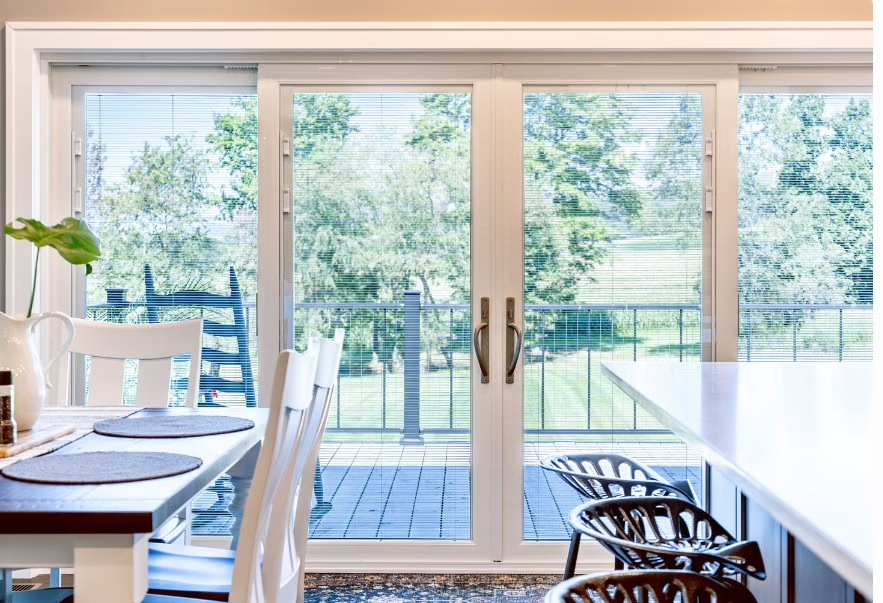
Sliding Glass Patio Door Replacement in Austin, TX — Pella Impervia, Anlin, and ProVia
A sliding patio door gives you access to the backyard or deck without swinging into the space — the panel glides, stays out of the way of furniture, and when it’s working correctly you barely think about it. When it’s not — hard to open, drafting at the meeting rail, water coming under the threshold — the cause is almost always worn rollers, degraded pile weatherstripping, or an installation that was never level to begin with. The other decision worth making before replacing a slider in kind is whether a slider is actually what you want: french doors give you the full opening width when both panels are open, which a slider never does. If that matters for how you use the space, it’s worth knowing before you order. We install Pella Impervia, Anlin, and ProVia sliding patio doors — each with a different positioning on material, performance, and price. For the full door overview see the door replacement overview.
Sliding Patio Doors vs. French Doors — Which Is Right for Your Opening?
Many homeowners replacing a patio door consider whether to replace it in kind or switch configurations. The decision has real implications for how the space functions, what the installation scope looks like, and what the long-term performance tradeoffs are.
Where Sliders Win
Sliders don’t swing — they don’t require clearance on either side of the opening, which matters on patios and decks where furniture sits close to the door. They’re also typically lower profile than french doors, which suits contemporary and ranch-style homes. In tight spaces, a slider that glides is functionally superior to two panels that need room to open. Sliders are also generally less expensive than equivalent french door configurations.
Where French Doors Win
French doors provide the full width of the opening when both panels are open — a slider only ever gives you half the opening width, with the other panel fixed or stacked behind. For entertaining, moving furniture, or simply the feeling of a wide-open connection between interior and exterior, french doors deliver something a slider cannot. French doors also tend to air-seal better at the perimeter — sliders rely on pile weatherstripping on a track that wears over time.
Rough Opening Implications
Switching from a slider to french doors — or vice versa — typically requires rough opening modification. A slider to french door conversion means adding a center structural support point and changing the threshold configuration. It’s a larger scope than a straight replacement but not a prohibitive one. We assess the existing opening and give you an honest picture of what the conversion involves before any product is selected.
The Air Sealing Difference
Sliders seal differently than hinged doors. They use pile weatherstripping along the meeting rail and track — which is effective when new but degrades with use in ways that compression weatherstripping on hinged doors does not. A high-quality slider with a proper interlock at the meeting rail and a well-fitted track seal performs well. A worn slider with degraded pile weatherstripping on an uneven track is one of the most common sources of air infiltration and water intrusion on Central Texas patio openings.
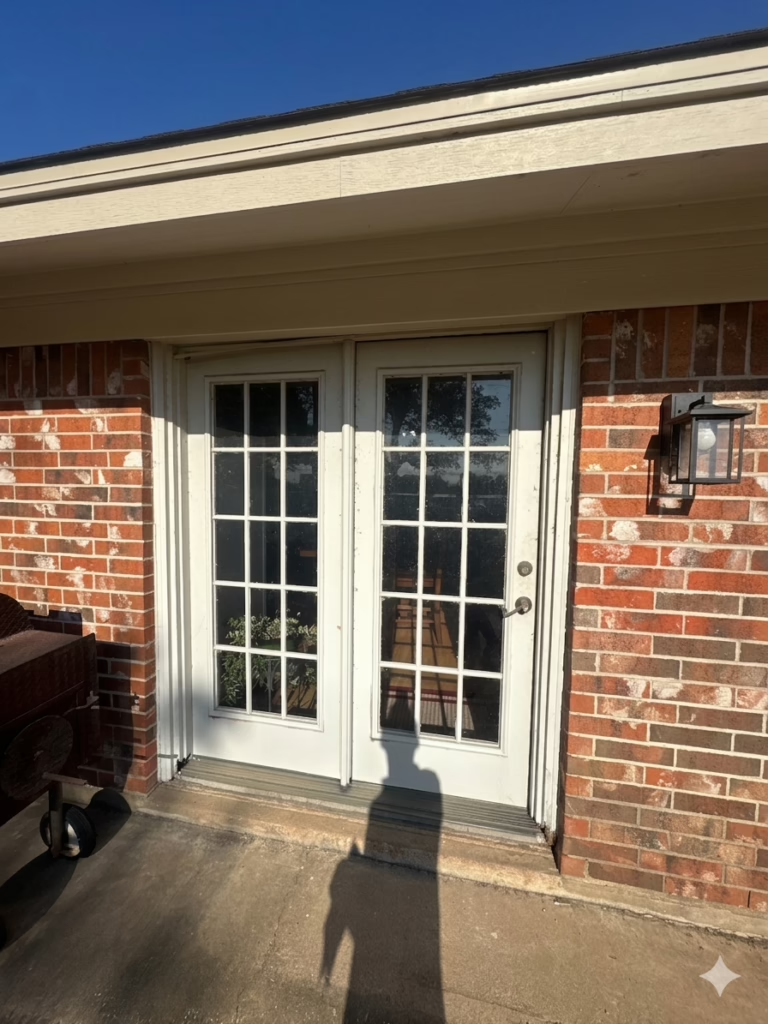
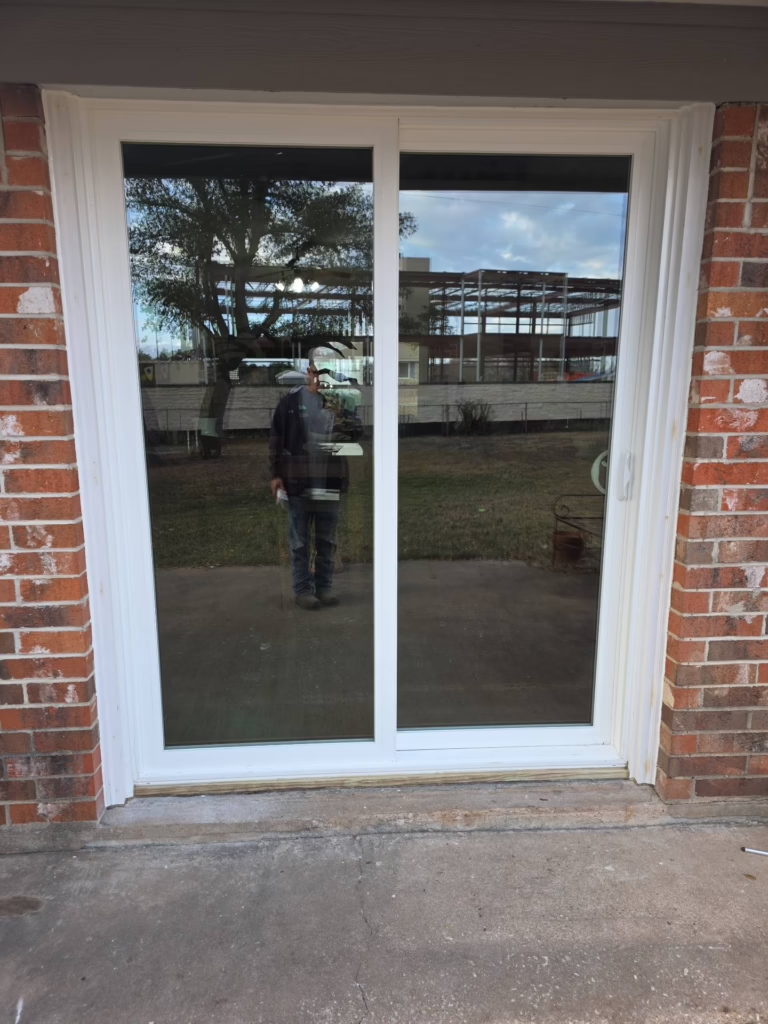
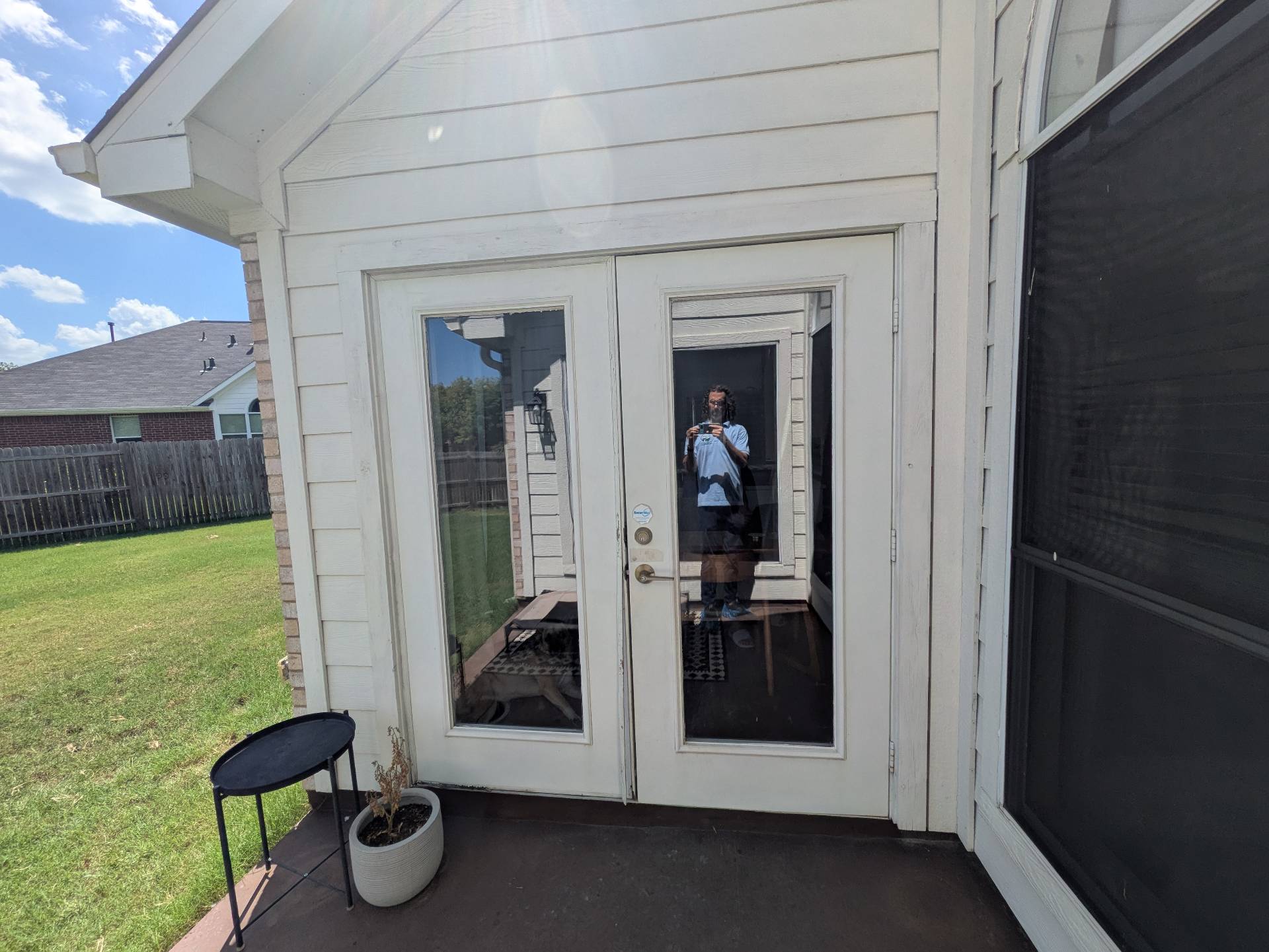
Recent Sliding Patio Door Projects Across the Austin Area
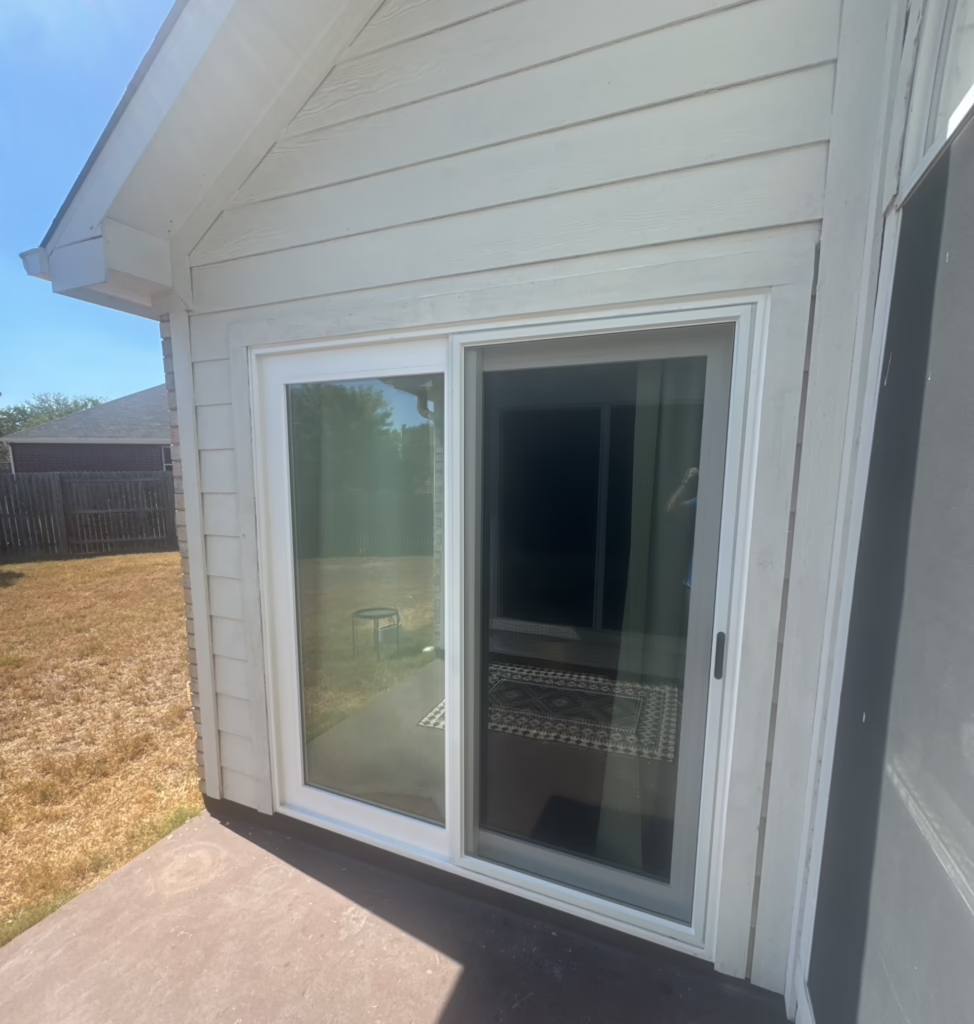
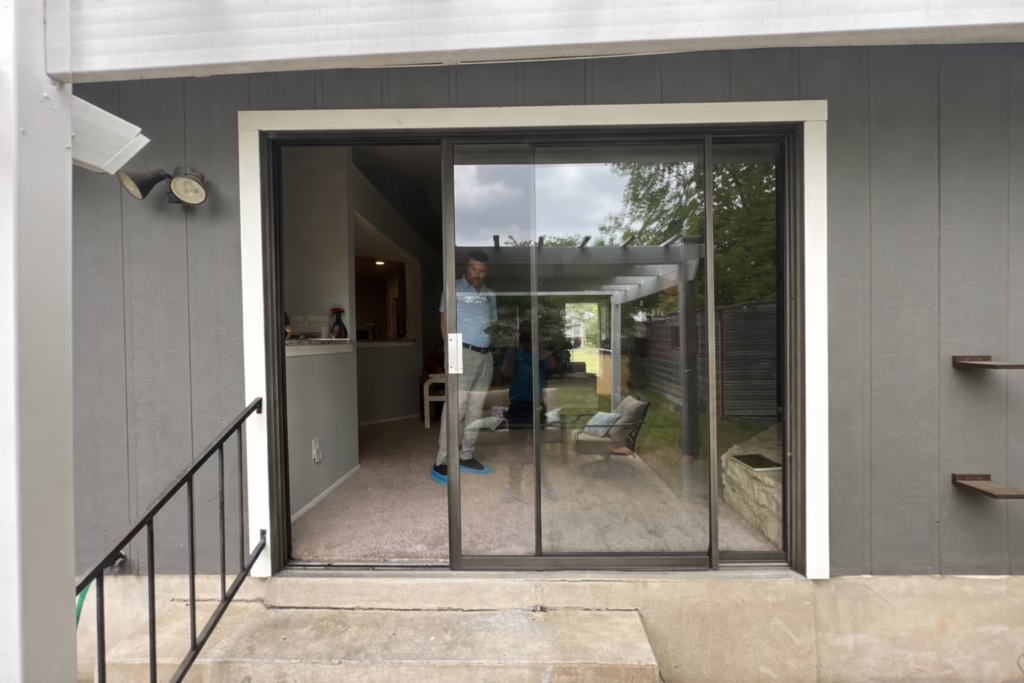
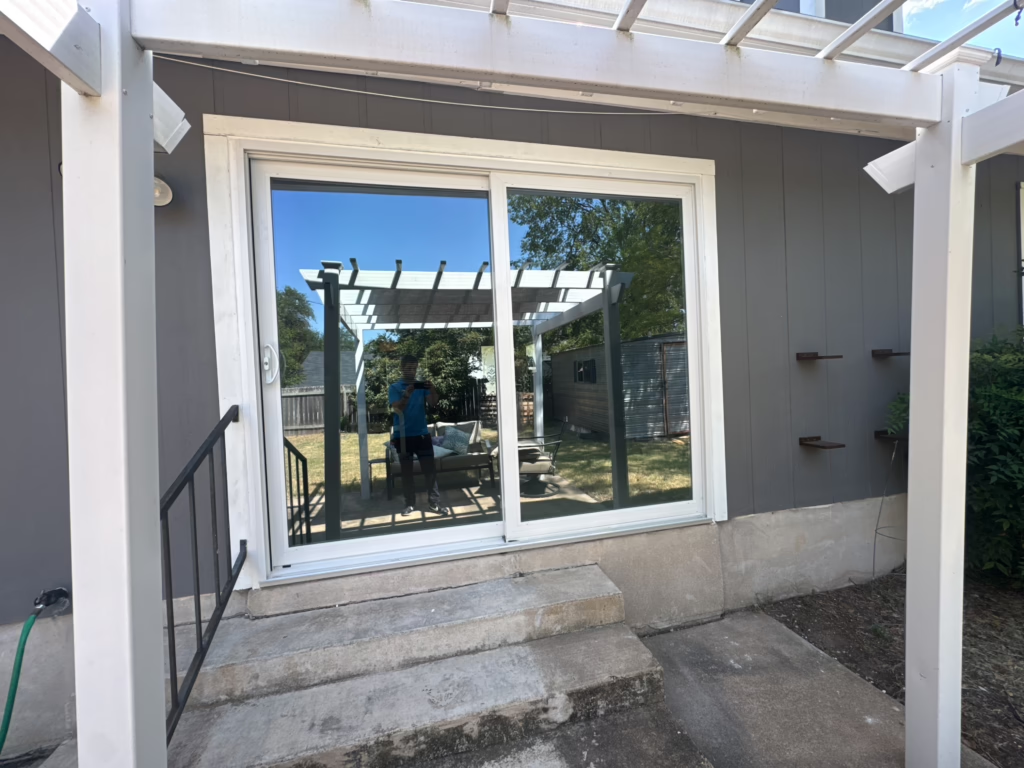
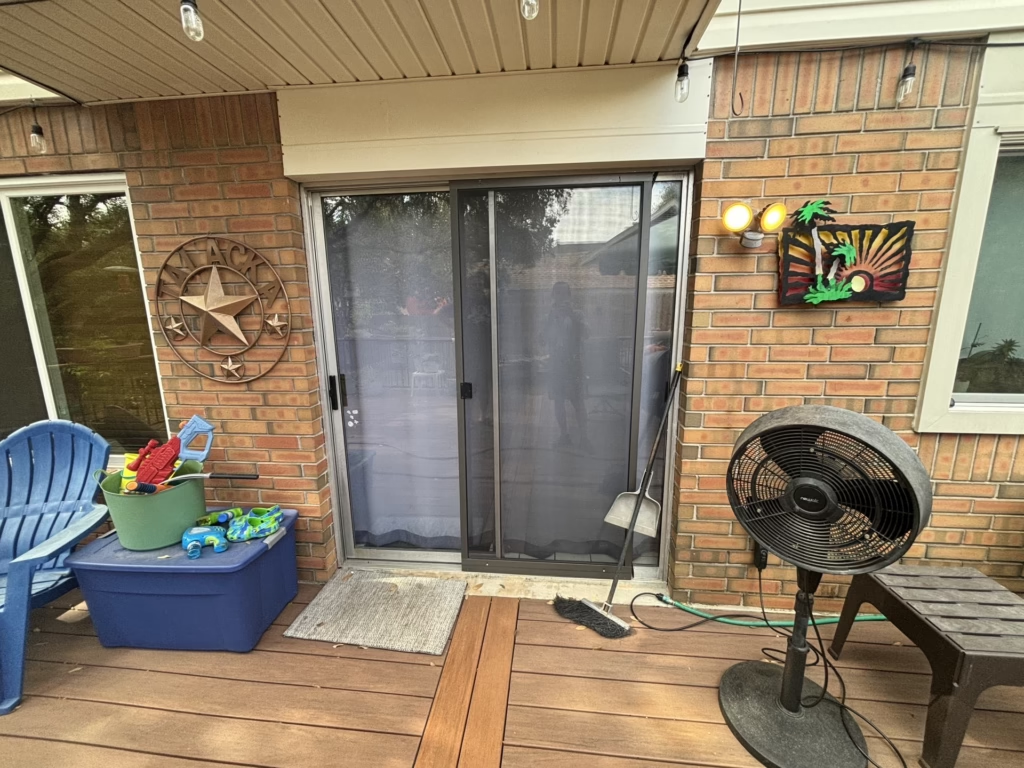
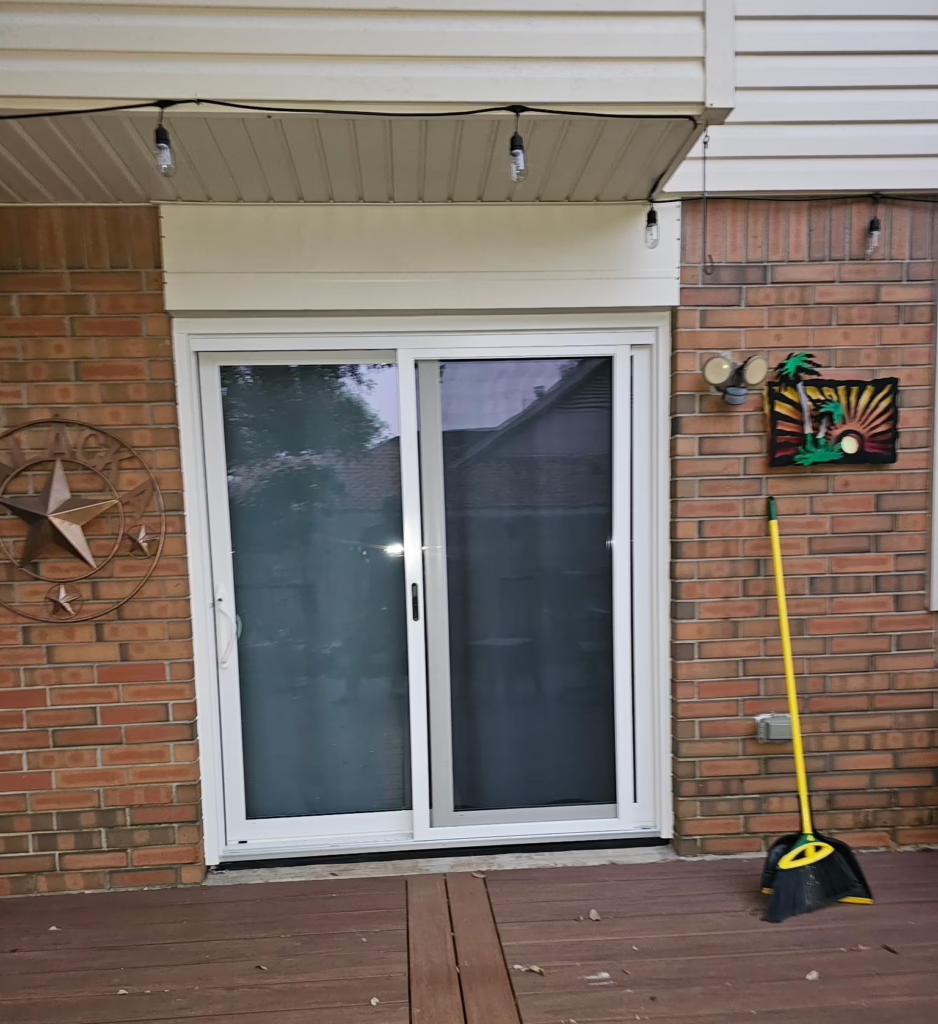
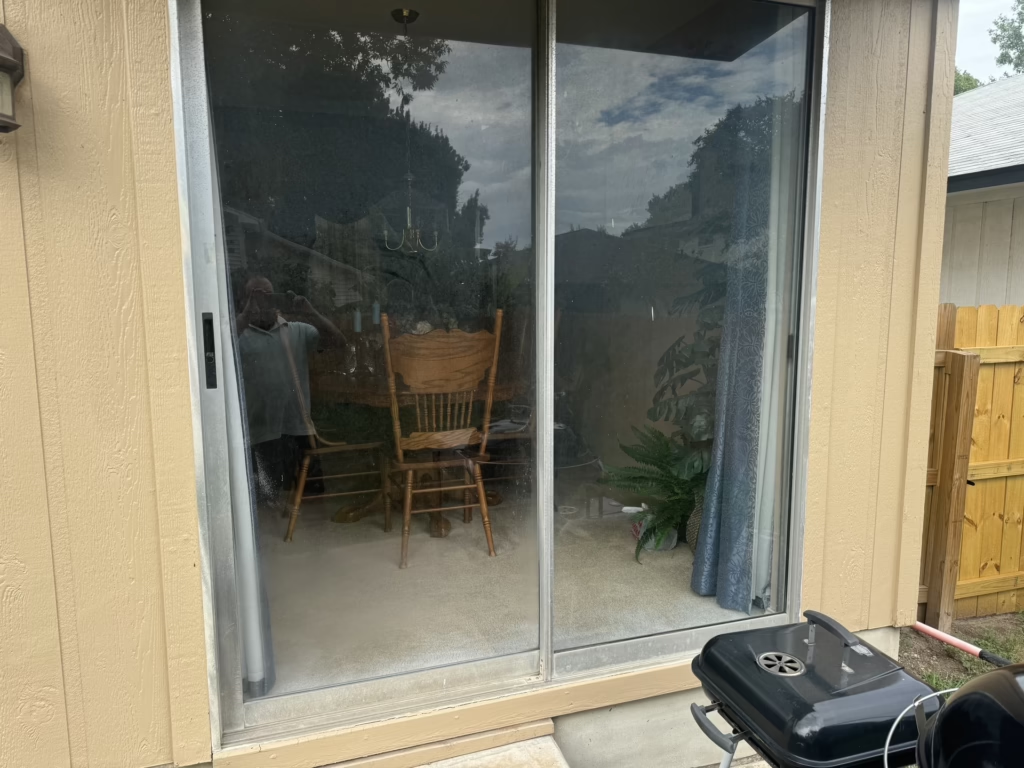
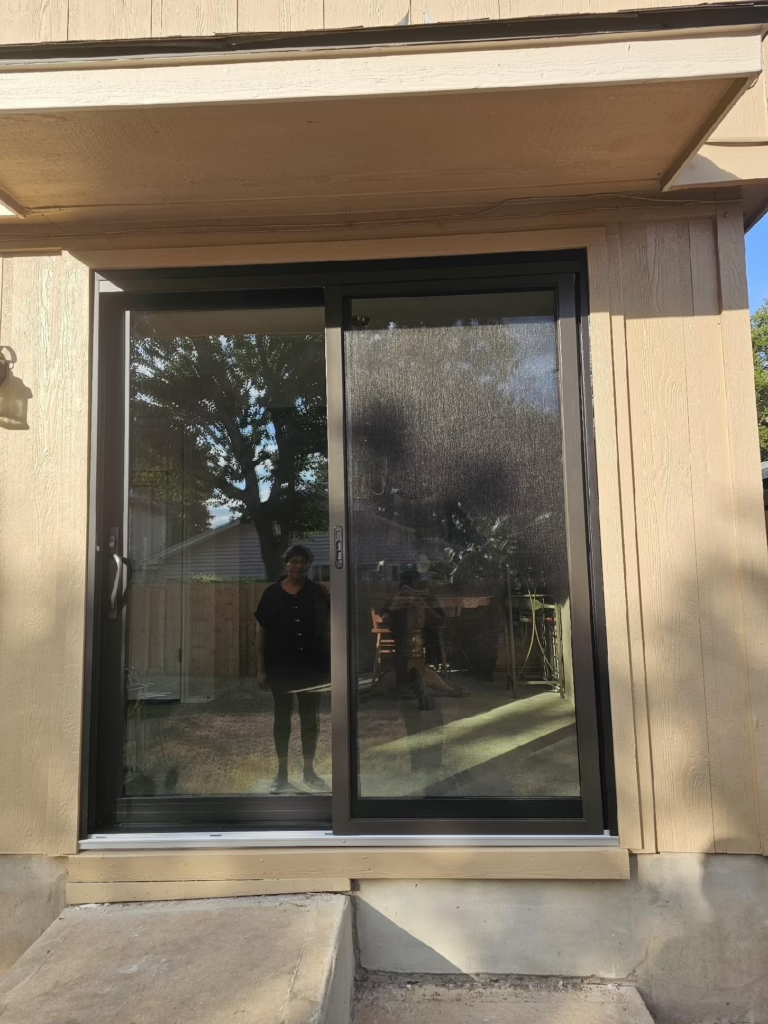
Real sliding patio door installations completed for Austin-area homeowners — before and after, different configurations, different conditions. This is what a properly installed sliding patio door looks like when the framing, track, weatherstripping, and finish details are handled correctly.
Sliding Patio Door Brands — Pella, Anlin, and ProVia
We install three brands on sliding patio door projects — selected based on the performance goals, material preference, and budget of the specific project. Each has a distinct positioning.
Pella Impervia
Pella’s fiberglass sliding door line — built for durability and thermal performance. Impervia fiberglass is 8x stronger than vinyl and won’t warp, rot, or corrode. In Central Texas conditions where heat cycling puts stress on frames and tracks, fiberglass holds its dimensions and track alignment better than vinyl over time. Strong ENERGY STAR performance and available in multiple sizes. The most durable slider option we install.
Anlin
Anlin produces sliding patio doors with strong energy performance and good customization options. Well regarded for their glass packages and warranty coverage. A solid mid-tier option when fiberglass isn’t required and budget is a consideration. Available in multiple configurations and glass package levels including low-e options appropriate for Austin’s solar exposure.
ProVia
ProVia’s sliding door line extends the same quality standard as their entry door products — strong construction, good energy performance, and solid warranty coverage. A reliable option when a homeowner is doing a ProVia entry door on the same project and wants consistent quality and warranty across the full exterior door scope.
Sliding Door Frame Materials — Fiberglass, Vinyl, and Aluminum
Sliding patio doors are available in fiberglass, vinyl, and aluminum frames. The right choice depends on budget, performance requirements, and how the door is oriented. In Central Texas conditions, frame material has a more meaningful performance impact on sliders than on hinged doors — because the track and meeting rail are under more mechanical and thermal stress.
| Factor | Fiberglass | Vinyl | Aluminum |
|---|---|---|---|
| Thermal Performance | Excellent — low conductivity, dimensionally stable under heat | Good — low conductivity but expands/contracts more under Austin heat cycles | Poor without thermal break — aluminum conducts heat directly |
| Track Stability in Heat | Best — minimal thermal expansion keeps track alignment consistent | Moderate — expansion can affect track fit and operation over time | Poor — significant thermal expansion affects track and roller fit |
| Durability | Highest — won’t warp, rot, corrode, or crack under normal conditions | Good — won’t rot or corrode but can warp under sustained UV and heat | Good structural strength — corrosion resistant but conducts cold and heat |
| Aesthetics | Clean, slim profiles — available in multiple colors | Wide range of colors, can fade under sustained UV over time | Slim modern profiles — good for contemporary homes |
| Cost | Highest upfront — best long-term value | Mid-range — most common replacement choice | Varies — basic aluminum is low cost, thermally broken aluminum is premium |
| Best For | Long-term ownership, west/south-facing exposures, performance priority | Budget-conscious replacement, moderate exposure, mid-term ownership | Contemporary aesthetics, covered patios, mild exposure |
Full material comparison across all door types is on the door materials overview.
What Correct Sliding Patio Door Installation Involves
Sliding patio door installation has specific details that differ from hinged door installation — the track system, the threshold integration, and the way the frame is leveled and shimmed all affect how the door operates and how well it seals over time. We install to manufacturer specifications using OSI flashing and sealant products throughout.
Opening Assessment and Rough Opening Prep
Existing door and frame removed, rough opening inspected for rot, moisture damage, and level/plumb condition. The track of a sliding door sits on the sill — an unlevel sill means an unlevel track, which means a door that won’t slide correctly from day one. Corrections made before the new unit is installed.
Sill Pan Flashing
OSI sill pan flashing installed at the base of the rough opening before the door unit goes in. The sill of a sliding patio door is one of the most common water entry points in the entire house — particularly on doors that face prevailing storm directions. A correctly installed sill pan directs incidental water out rather than into the wall assembly or subfloor.
Frame Installation — Level and Plumb
Door frame set level, plumb, and square. On sliding doors this is more critical than on hinged doors — even a small deviation from level affects how the panels track and whether the meeting rail seals correctly when the door is closed. Shimmed and fastened per manufacturer specifications.
Jamb and Head Flashing
OSI flashing tape at both jambs and head — lapping correctly over the WRB and integrating with the sill pan. All penetrations through the frame sealed before trim is applied.
Panel Hanging and Roller Adjustment
Sliding panels hung on track and rollers adjusted for correct height, smooth operation, and full contact between the meeting rail weatherstripping and the fixed panel. Meeting rail alignment is verified — this is the primary air and water seal point on a sliding door and the first place to check when a slider starts drafting or leaking.
Insulation, Perimeter Seal, and Final Check
Low-expansion foam in all frame-to-rough-opening gaps. Perimeter sealed with permanently flexible caulk. Lock function verified, panel operation tested fully, and screen installed and tracked correctly.
The full installation sequence for all door types is on the door installation process page.
Sliding Patio Door Cost in Austin
Sliding patio door cost is driven by size, frame material, glass package, and brand. A standard two-panel vinyl slider is a very different project from a large fiberglass Pella Impervia with premium low-e glass.
* All ranges are installed cost including labor and OSI flashing products. Final price depends on glass selection, hardware, configuration, and rough opening condition — all assessed and quoted before anything is ordered.
Frequently Asked Questions
Why is my sliding patio door hard to open?
The most common causes are worn or damaged rollers, a dirty or damaged track, a door that has shifted off its rollers, or a frame that has moved slightly out of level over time. In Central Texas, thermal expansion of the frame and track during summer can temporarily affect operation — if the door is harder to open in the afternoon than in the morning, that’s a thermal expansion issue, not a roller problem. Sliding door operational problems are usually diagnosable and often repairable without full replacement.
How do I stop my sliding door from drafting or leaking water?
Air and water infiltration on a sliding door almost always enters at the meeting rail, the threshold, or the perimeter frame seal. Worn pile weatherstripping at the meeting rail is the most common cause of drafting — the pile compresses and wears with every door cycle and eventually stops sealing. Water intrusion at the threshold is usually a failed or missing sill pan, or a threshold that has settled. Door drafts and leaks are worth having assessed — many are repairable without full replacement.
Should I replace my slider with french doors?
It depends on how you use the space and what matters most. Sliders are better where space is tight — they don’t swing and don’t require clearance. French doors give you the full opening width when both panels are open, which sliders never do. If you entertain on a patio, move large items through the door regularly, or simply want a wider open connection to the exterior, french doors are worth considering. The rough opening modification required to convert is real but manageable — we assess what it involves at the inspection before any product decision is made.
Why choose fiberglass over vinyl for a sliding patio door in Austin?
In Central Texas, the thermal cycling that frames and tracks experience from summer to winter is significant. Vinyl expands and contracts more than fiberglass under those cycles, which over time affects track alignment, roller fit, and how well the door operates and seals. Fiberglass — particularly Pella Impervia — holds its dimensions more consistently, which means the track stays aligned, the rollers stay fitted, and the meeting rail continues to seal correctly years after installation. For west- and south-facing patio doors that take sustained direct sun, fiberglass is the more durable long-term choice.
How long does a sliding patio door replacement take?
Most standard sliding patio door replacements are completed in one day. Large multi-panel configurations or projects requiring significant rough opening correction may run into a second day. We don’t leave unprotected openings overnight.
Replacing Your Sliding Patio Door?
We’ll assess the existing opening, walk you through Pella, Anlin, and ProVia options for your specific situation, and give you a written scope before anything is ordered. No deposit required to get started.
- Free rough opening and track assessment
- No deposit required to get started
- Written scope before any work begins
- 10-year workmanship warranty on every installation