

Granule Loss on Asphalt Shingles: Causes, Stages, and What It Means for Your Roof
Granule loss occurs when the crushed mineral surface of an asphalt shingle wears away, exposing the asphalt layer beneath to UV radiation, heat, and moisture. In Central Texas, the combination of summer heat, hail, and storm activity accelerates this process faster than manufacturer lifespans suggest. The critical threshold is when exposed asphalt starts to soften and shingles approach the fiberglass mat beneath — at that point, water intrusion becomes a matter of when, not if. This page explains how to recognize where your roof falls on that spectrum and what to do about it. For the full list of roofing problems common to Central Texas homes, see the common roofing problems overview or the roofing overview.
What Granules Do — and Why Losing Them Matters
Granules are the outer protective layer of an asphalt shingle — crushed mineral material bonded to the asphalt surface during manufacturing. They are not decorative. They shield the asphalt from UV radiation, reduce heat absorption, provide impact resistance, and help channel water down the slope. When they’re gone, the asphalt beneath is unprotected. It absorbs heat directly, dries out, becomes brittle, and begins to crack. Once cracking starts, water finds its way through — and by the time it shows up as an interior stain, it has usually been moving through the system for a while.
Understanding what granules do makes clear why their loss isn’t a cosmetic issue. The full context of how an asphalt shingle system manages water, heat, and impact is covered on the asphalt shingle overview.
What Drives Granule Loss in Central Texas
Manufacturer-rated lifespans are based on average conditions. Central Texas is not average. The combination of sustained summer heat, significant UV exposure, and recurring hail and wind events means asphalt shingles in this market age faster than their warranty language suggests. These factors don’t act independently — they compound.
Heat and UV Exposure
Roof surface temperatures in Austin regularly exceed 150°F in summer. That sustained heat dries and oxidizes the asphalt, weakening the bond holding granules in place. Daily expansion and contraction cycles compound the effect — each cycle works granules slightly looser than the last.
Hail and Storm Impact
Hail dislodges granules on impact, leaving concentrated areas of exposed asphalt that age at an accelerated rate relative to the surrounding shingle. Wind-driven rain contributes over time as well. In a market that sees multiple significant hail events per year, cumulative storm impact is often the primary accelerant of granule loss — even on roofs that don’t appear visibly damaged after any single storm.
Poor Attic Ventilation
Inadequate attic airflow traps heat beneath the roof deck, raising surface temperatures further above ambient and accelerating granule bond breakdown from below. A ventilation problem and granule loss often reinforce each other — and addressing granule loss without correcting a ventilation issue means the same conditions continue acting on whatever roof goes on next.
Age
Granule adhesion weakens progressively as shingles age. Some shedding in the first few years after installation is normal — manufacturing excess works its way off. The concerning stage is mid-life and beyond, particularly on roofs that have been through multiple Central Texas storm seasons, when granule loss reflects genuine bond failure accelerated by years of cumulative exposure.
A hot attic and ventilation problem is one of the more common compounding factors found alongside accelerated granule loss in this market. Hail is the other — how hail affects shingles beyond granule displacement is covered on the hail damage page.
The Stages of Granule Loss — and When to Act
Granule loss exists on a spectrum. Where your roof falls on that spectrum determines what the right response is. The images below show what each stage looks like and what it typically means.

Stage 1 — Normal accumulation. Light, even granule accumulation in gutters, particularly after storms or in the first few years of a new roof, is expected. Manufacturing excess works off new shingles and any storm dislodges a small number. This alone does not warrant action — it warrants noting and monitoring.
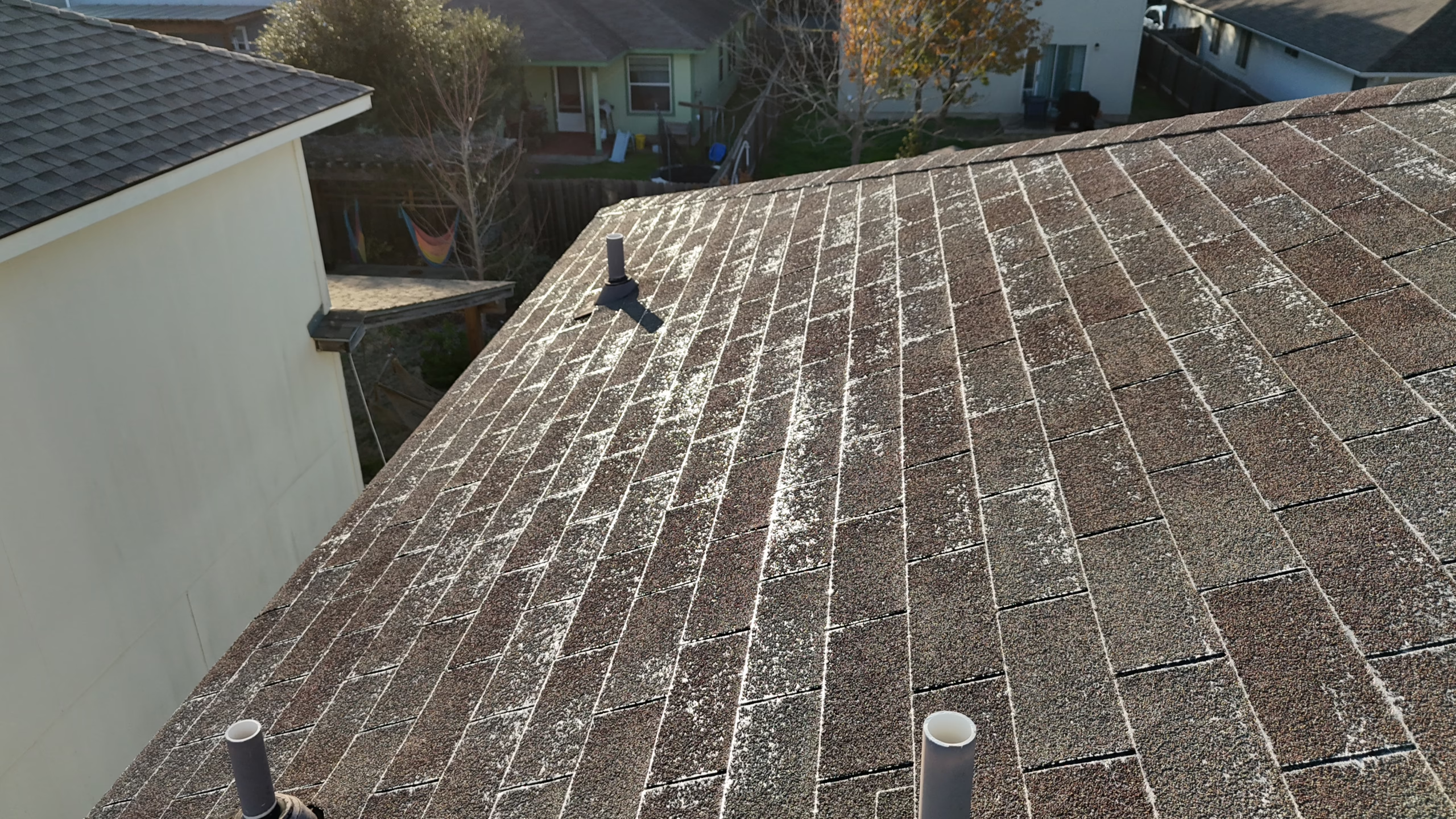
Stage 2 — Exposed asphalt. A shiny or reflective surface visible from the ground is a reliable indicator that granules are substantially gone from that section. The asphalt beneath is now absorbing UV and heat directly, softening and oxidizing with each Texas summer. This is the stage where deterioration accelerates meaningfully — shingles that look intact from the ground may be approaching the point where water gets through. Action is warranted: a professional evaluation to assess extent and decide between targeted replacement of affected sections or planning a full replacement.
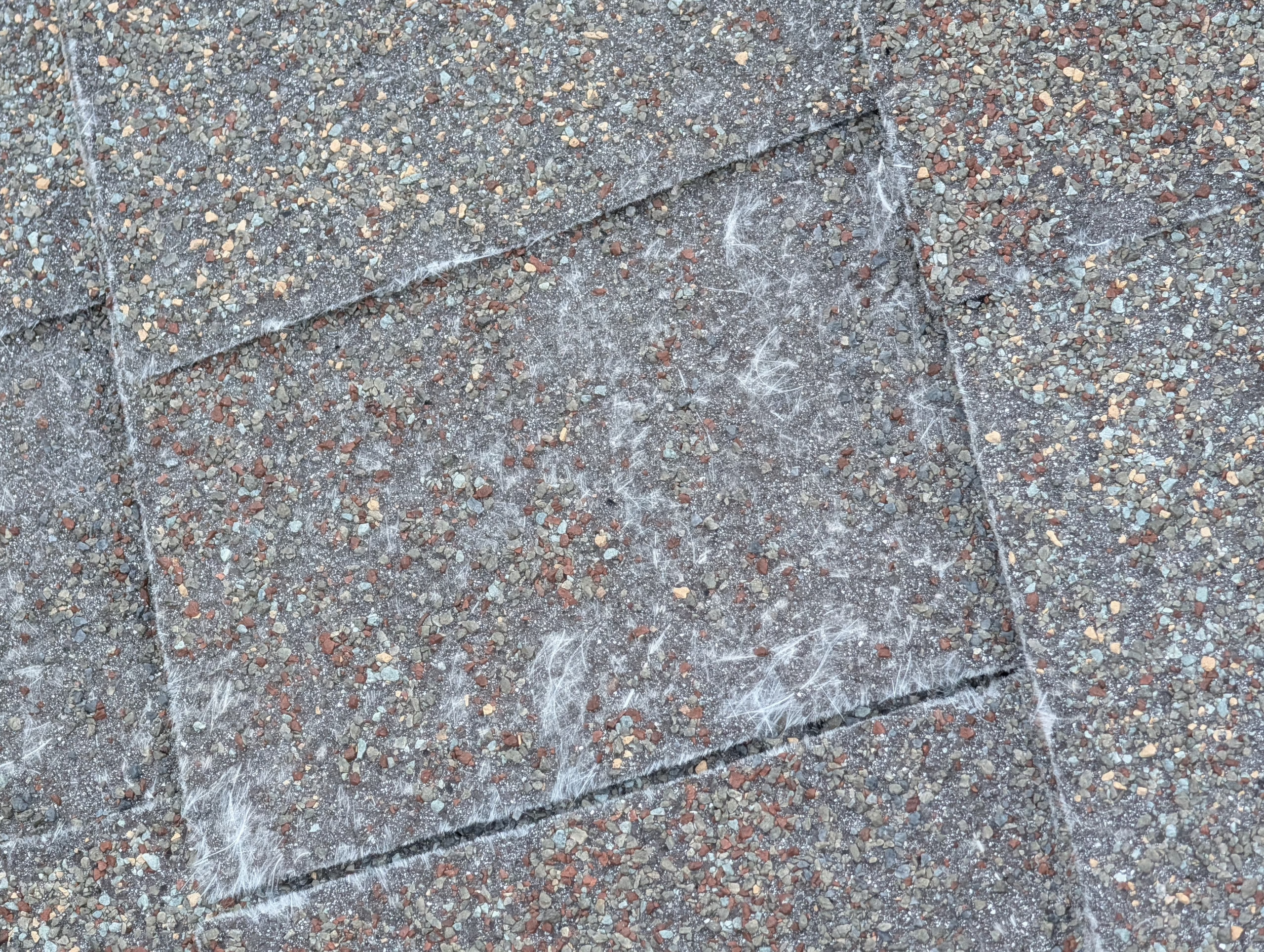
Stage 3 — Exposed fiberglass mat. When granules and asphalt are largely gone and the fiberglass mat beneath is visible, the shingle has passed its protective threshold. It is no longer reliably shedding water — it is managing water inconsistently at best. Roof leaks at this stage are a near-term risk, not a distant possibility. Replacement is the appropriate response. Repair of individual shingles in a field of mat-exposed shingles doesn’t restore a system that has deteriorated broadly.
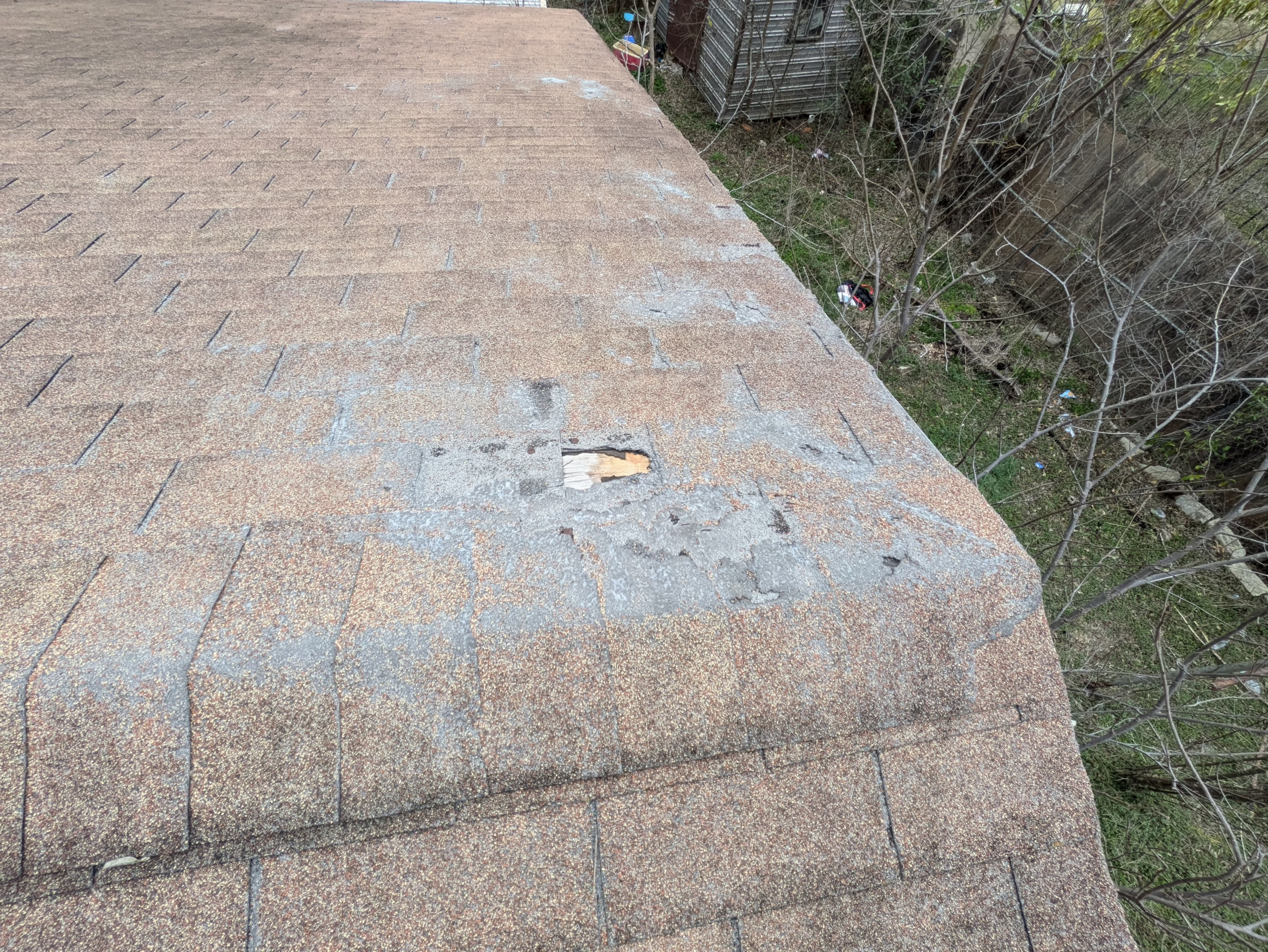
Localized abrasion. Tree branch contact is its own category — it can strip granules faster than any environmental factor and doesn’t stop at the granule layer. Left unaddressed, abrasion works through the asphalt and into the decking beneath. The source has to be removed before any repair is meaningful, and the affected section evaluated for how deep the damage goes.
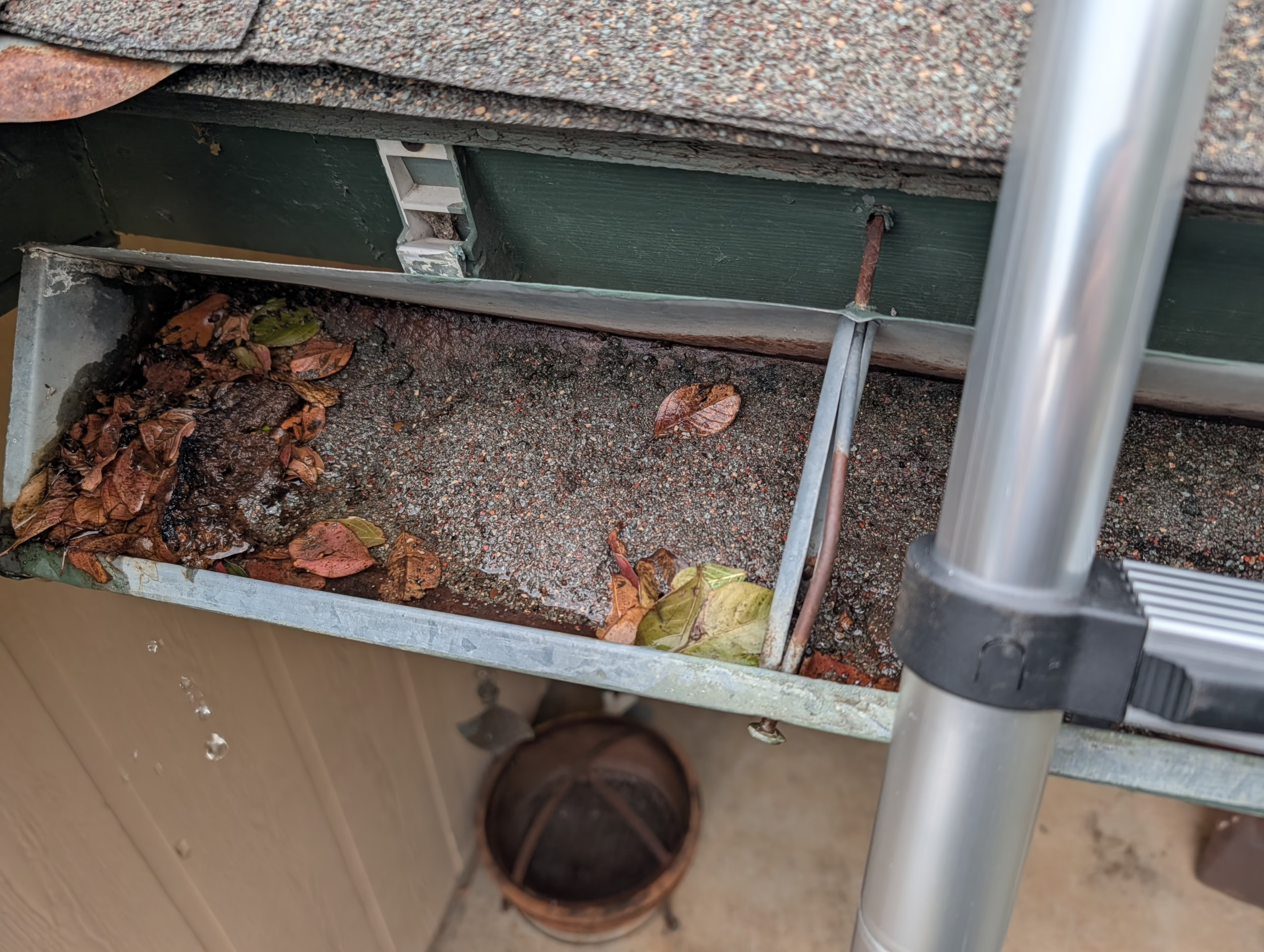
High-volume gutter accumulation. Granules filling gutters consistently — not after a specific storm, but every time it rains — combined with visible shingle wear across multiple slopes indicates a roof that has moved past the point where monitoring or isolated repair is the right response. The volume itself is meaningful: coarse-sand quantities of granules in gutters reflect shingles losing bond at scale, not shedding incidentally.
What to Do Based on What You’re Seeing
The right response to granule loss depends entirely on where on the spectrum your roof falls — and that determination requires evaluating the full system, not just what’s visible from gutters or the ground. Minor, even gutter accumulation after storms warrants monitoring. A shiny surface on one or two slopes warrants a professional evaluation to assess extent. Exposed mat anywhere, or high-volume consistent gutter accumulation, warrants replacement planning rather than repair.
The question of whether targeted repair or full replacement makes sense given the condition of the rest of the roof is covered in detail on the repair vs. replacement page. If you’re not sure what you’re looking at or where your roof falls, the roofing appointment overview explains what a professional evaluation covers and how findings are documented before any decision is made.
Frequently Asked Questions: Granule Loss
Can granule loss be repaired, or does it mean I need a new roof?
Granule loss itself cannot be reversed — once granules are gone, they don’t come back. What determines whether replacement is necessary is the extent and pattern of loss. Localized loss on an otherwise sound roof may support targeted shingle replacement in affected sections. Widespread loss across multiple slopes, or anywhere the fiberglass mat is exposed, indicates shingles that have passed their protective threshold — replacing individual shingles in a field of deteriorated material doesn’t restore a system that has failed broadly. A full inspection is the right starting point before any decision.
Does granule loss affect my insurance claim?
It depends on the cause. Granule loss from normal aging, UV exposure, or physical abrasion is typically excluded from coverage — these are wear issues, not covered perils. Granule loss caused by a documented hail event is often the primary evidence in a storm damage claim — adjusters evaluate the pattern, density, and consistency of granule displacement across test squares to determine whether damage thresholds are met. If you noticed significant accumulation after a specific storm, that timing matters and is worth documenting before filing a claim.
How do I know if my granule loss is from hail?
Hail-driven granule loss has a specific pattern: concentrated impact marks distributed across the shingle surface in a way that’s consistent across multiple slopes at similar exposures. The loss tends to be sharp-edged — a defined area of exposed asphalt where the granules were knocked off on impact — rather than the gradual, diffuse thinning that characterizes age-related loss. Confirming this distinction requires getting on the roof and evaluating the shingle surface directly. Granule accumulation in gutters after a storm is a prompt to inspect — not a diagnosis on its own.
How quickly does a roof deteriorate once the mat is exposed?
In Central Texas, faster than most homeowners expect. Once the fiberglass mat is exposed, the asphalt that remained is in direct contact with surface temperatures that can exceed 160°F in summer. Shingles in this condition typically become brittle and begin cracking within one to two seasons. Cracked shingles allow water intrusion into the decking and framing below — expanding the eventual repair scope well beyond a shingle replacement. The gap between “shiny roof” and “active leak” in this climate is shorter than it is in cooler markets.
What does significant granule loss look like in gutters?
A small amount of granules after any storm is normal. What warrants attention is consistent accumulation not tied to a specific event — if you’re cleaning out what looks like coarse sand in meaningful volumes on a regular basis, that reflects shingles losing granule bond at scale rather than shedding incidentally. Combined with visible shingle wear across multiple slopes, that volume of loss typically means the roof has moved past mid-life deterioration. Gutter accumulation is a symptom worth investigating, not a diagnosis on its own.
Does poor attic ventilation make granule loss worse?
Yes — and it’s one of the more common compounding factors on Central Texas roofs. Poor airflow traps heat beneath the roof deck, raising surface temperatures significantly above what shingles were designed for. That sustained heat accelerates the breakdown of the asphalt-to-granule bond from below, causing granules to loosen faster than they would on a properly ventilated roof. If granule loss is appearing earlier than expected on a relatively new roof, ventilation is one of the first things worth evaluating alongside the shingle condition itself.
Not Sure What the Granule Loss on Your Roof Means?
A free inspection gives you a documented assessment of extent and pattern — and a clear explanation of what it means for your roof’s remaining lifespan before any decision is made.
- Full inspection with photo documentation
- Clear explanation of findings before any decision
- No deposit required to get started
- No pressure — honest assessment first