

Common Roofing Problems Homeowners See in Central Texas
The most common roofing problems in Central Texas are roof leaks and water intrusion, missing or damaged shingles, flashing failures, granule loss, nail pops, sagging decks, worn pipe boots, poor attic ventilation, and installation defects. Most don’t start as emergencies — they begin as small signs that part of the roofing system isn’t performing correctly, then compound over time under Texas heat, UV exposure, and storm stress. This page covers how each problem presents and what it usually means for the roof system. For broader context on materials, installation, and storm damage, see the roofing overview.
How to Read a Roofing Problem
Roofing symptoms frequently appear in a different location than their cause — a ceiling stain that traces back to a flashing failure ten feet away, granule loss that signals attic heat damage working from below, a nail pop that looks minor from the driveway but is an active water entry point in every rain event. Before deciding what to do about a roof problem, it is worth understanding what is actually happening and where. The nine most common problems Central Texas homeowners encounter are covered below, each with enough detail to identify whether your situation matches and what typically comes next.
Common Roofing Problems
Roof Leaks
Water stains on ceilings, damp drywall, or active dripping are signs that water is getting past the roofing system — but the visible stain is almost never directly below where the water entered. Leaks are most commonly caused by flashing failures, deteriorated pipe boots, or installation defects rather than shingles alone. Even small leaks damage insulation, encourage mold growth, and weaken roof decking when left unaddressed. Repeated leaks in the same area typically signal an unresolved underlying detail that surface patching cannot fix. A critical diagnostic step that is frequently skipped: ruling out HVAC condensate and attic condensation before assuming a roof leak is present at all.
Relevant if: you have ceiling stains, active dripping, or recurring moisture in the same interior location.
Missing, Lifted, or Damaged Shingles
Cracked, lifted, or missing shingles leave the roof deck exposed to moisture and are among the most visible signs of storm or age-related damage. Wind damage, hail impact, fastening errors, and aging materials can all produce this result — and the shingles are often the visible symptom of an underlying cause that determines whether repair or replacement is the right response. In hail-prone markets like the Greater Austin Metro, a replacement event is also an opportunity to evaluate an upgrade to Class 4 impact-resistant shingles engineered to flex under impact rather than fracture.
Relevant if: shingles are visibly missing, cracked, curling, or lifting at the edges after a storm or over time.
Flashing Failures
Flashing is the metal that seals the joints where a roof meets chimneys, walls, skylights, valleys, and other penetrations. When it is missing, damaged, or improperly installed, leaks recur at those transition points regardless of how many times the surrounding shingles are patched — because the shingles were never the problem. Flashing failures are among the most misdiagnosed issues in residential roofing: a homeowner has the same spot repaired two or three times before anyone correctly identifies that the flashing detail is the source. These are especially common on older roofs and on roofs that have been repaired repeatedly without addressing original flashing design.
Relevant if: you have a recurring leak at a chimney, wall, skylight, or roof-to-wall transition that has been repaired before without lasting resolution.
Granule Loss
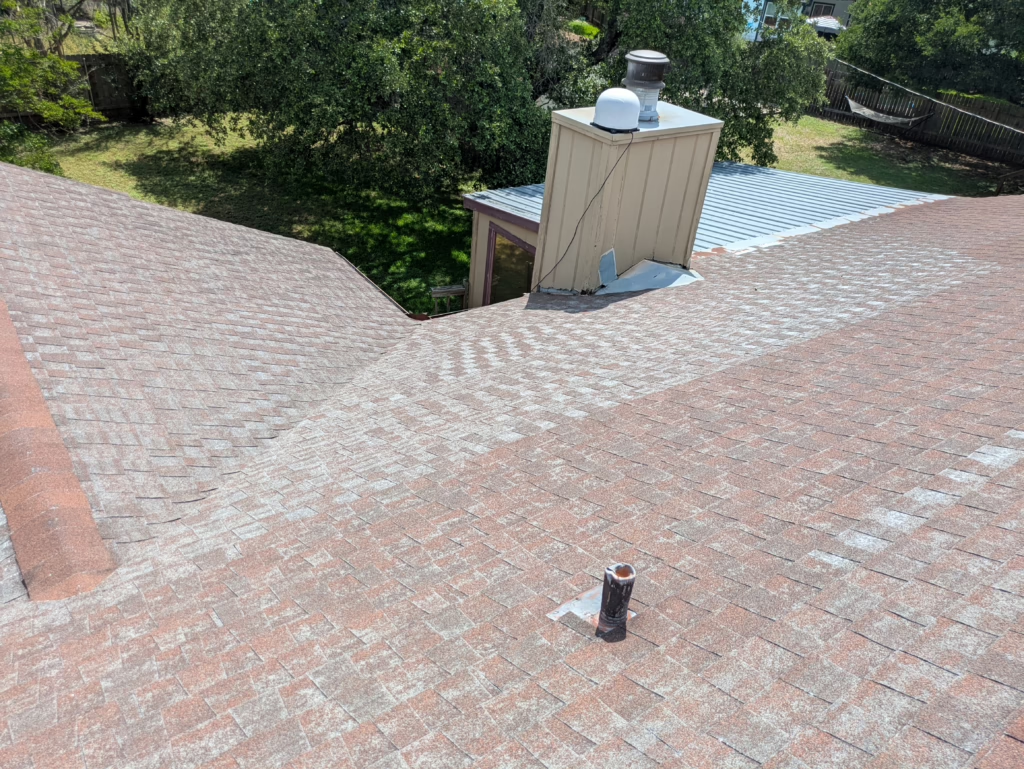
Granules protect asphalt shingles from UV exposure — when they shed, the underlying asphalt is exposed directly to Texas sun and begins aging rapidly. Granule accumulation in gutters or around downspouts is the most common indicator, and the pattern matters: uniform loss across all slopes suggests age-related wear, concentrated loss on one slope or in a specific pattern suggests hail or manufacturing defects. Once granule loss is significant, shingle lifespan shortens noticeably and the roof is more vulnerable to accelerated deterioration from Central Texas heat cycling. Granule loss cannot be reversed — the diagnostic question is how widespread it is and what caused it.
Relevant if: you find granules accumulating in gutters, around downspouts, or see visible bare patches on shingles.
Nail Pops
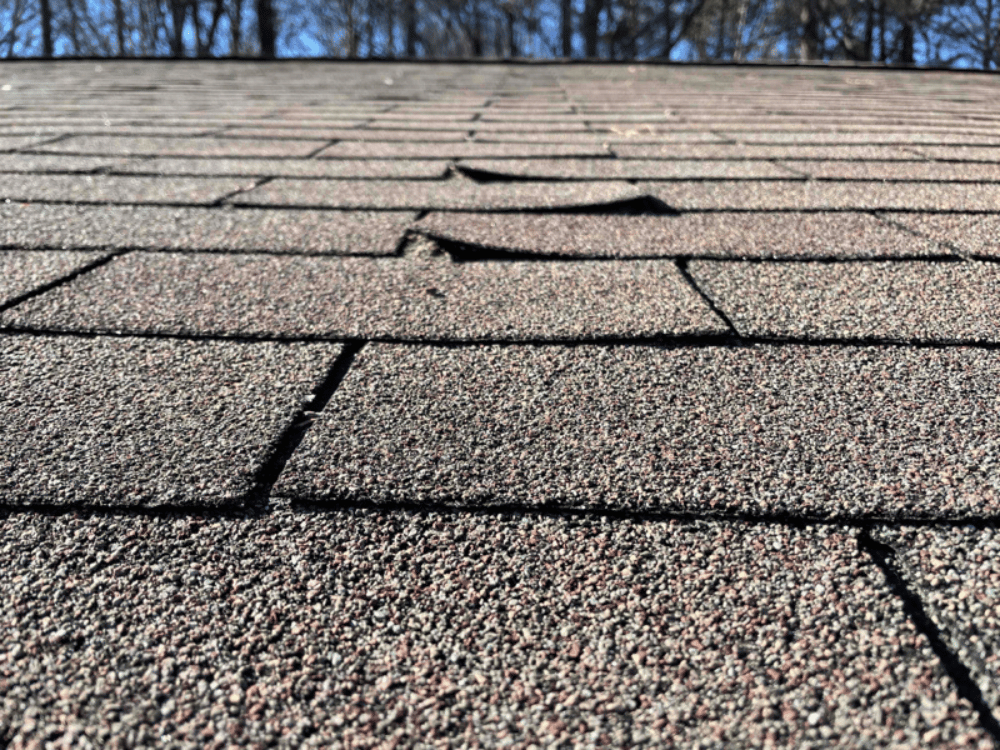
Nail pops occur when roofing nails back out of the deck and push shingles upward from below — creating a raised bump that is easy to dismiss as cosmetic but represents a direct water entry point in every rain event. Causes include fastening errors during installation, deck movement, and thermal expansion stress over time. Nail pops visible from the ground are typically the most advanced — there are usually more that aren’t yet visible. They are sometimes an indicator of broader installation quality issues present across the whole roof rather than isolated mechanical failures.
Relevant if: you see small raised bumps under shingles, particularly on slopes visible from the driveway or yard.
Sagging Roof Decks
A roofline that sags, dips, or shows an uneven wave across the surface indicates structural concerns beneath the shingles — not just surface wear. Common causes include long-term moisture exposure that has deteriorated the decking, framing movement from foundation settlement or structural aging, and in some cases original construction deficiencies. Sagging tends to worsen progressively once it begins, which makes early evaluation more important than with most other roofing problems. A localized dip and a broad wave along a ridge line are different failure modes with different scopes — the distinction matters for determining what kind of repair is involved.
Relevant if: your roofline looks uneven, dips in a specific area, or shows a visible wave when viewed from the yard.
Hot Attics and Poor Ventilation
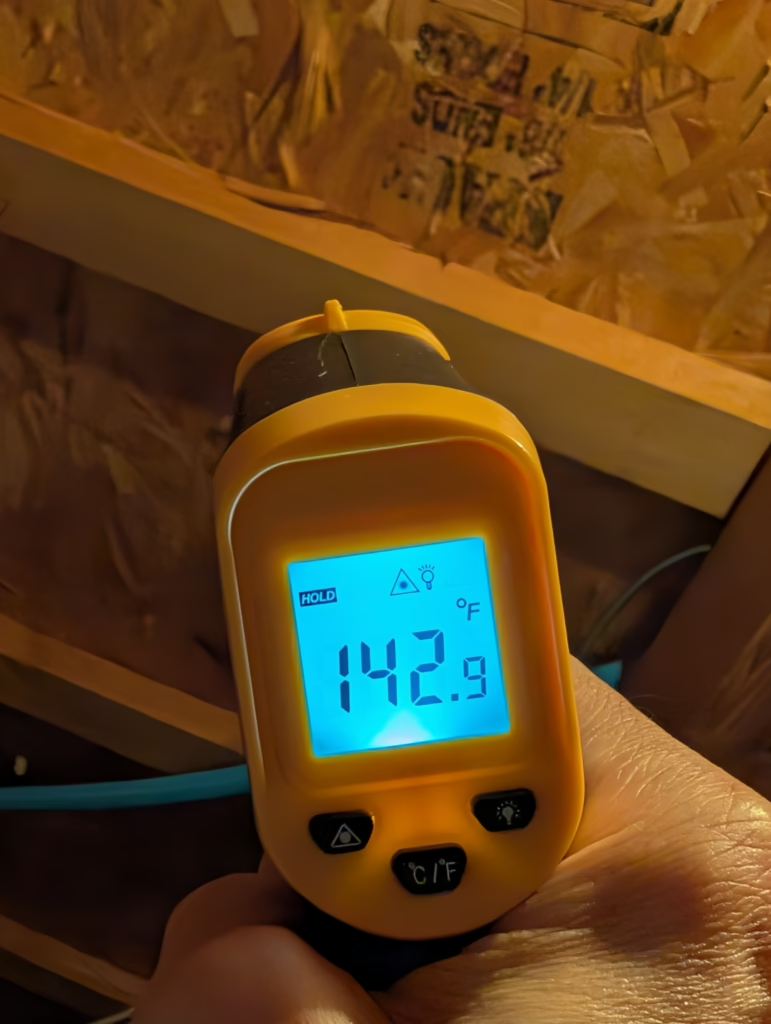
A hot attic is a roofing problem, not just a comfort problem. When hot air and moisture cannot escape the attic, they create sustained heat stress on roofing materials from below — accelerating granule loss, compressing shingle lifespan, and driving up HVAC load during the Central Texas cooling season. Ventilation is a system design issue involving the balance between intake and exhaust, not just a vent count. A roof can have adequate-looking ventilation on paper while being critically underventilated in practice because intake and exhaust are mismatched or improperly located.
Relevant if: your attic is excessively hot, your upstairs rooms won’t cool down, or your energy bills are higher than expected.
Worn Pipe Boots and Vent Leaks
Plumbing vents and other roof penetrations are sealed with flashing and rubber pipe boots. Under prolonged Texas sun, the rubber dries out, cracks, and pulls away from the pipe — opening a water entry point that only becomes active during wind-driven rain at a specific angle. These leaks frequently show up as localized ceiling stains near bathrooms or laundry areas and may appear only during certain storm conditions, which makes them easy to dismiss or misattribute to other causes. Pipe boot failures are one of the most straightforward roofing repairs when caught early — and one of the more predictable sources of repeat leak calls when the boot is not correctly identified as the source.
Relevant if: you have a stain near a bathroom, laundry room, or kitchen that appears during certain storms but not others.
Installation Defects and Age-Related Wear
Some roofing problems trace directly to how the roof was built — improper flashing integration, incorrect fastener placement, skipped underlayment components, or ventilation that meets code on paper but doesn’t function correctly in practice. These issues often surface within the first few years, sometimes immediately after the first significant storm. Others are straightforwardly age-related: brittle shingles, repeated minor repairs stacking up, or a system simply reaching the end of its service life. The distinction matters because it affects whether targeted repair or full replacement is the right response — and whether the installation contractor bears any responsibility for the failure.
Relevant if: problems appeared shortly after a new installation, or an aging roof is showing multiple failure points across different areas.
The Thread Running Through Most Roofing Problems
Roofing symptoms often overlap — a single underlying failure can create multiple visible problems, which is why surface signs alone rarely tell the full story. Granule loss accelerated by poor attic ventilation. Nail pops that create entry points that compound into a leak. Flashing that was never correctly integrated feeding a recurring water intrusion that shows up twelve feet away on the ceiling. The problems cluster because they share root causes: installation quality, ventilation design, and how the roof system ages under Central Texas conditions.
An inspection that documents what is actually happening beneath the surface is what turns a list of symptoms into a clear decision. Once the picture is clear, most homeowners are working through one of two questions: whether repair or replacement is the right call, and what the cost picture looks like — including whether storm damage may involve insurance. What a Cupcake inspection covers and how that process works is explained on the what to expect page.
Frequently Asked Questions: Common Roofing Problems
What are the most common signs of roof damage in Central Texas?
The most visible signs are ceiling stains or active dripping inside the home, granules accumulating in gutters or around downspouts, shingles that are missing, lifted, or visibly cracked, and small raised bumps under shingles from nail pops. Less obvious but equally important are uneven rooflines, higher-than-expected cooling bills from poor attic ventilation, and localized stains near bathrooms or laundry areas from failing pipe boots. Most of these problems start small and compound over time — catching them early usually means repair rather than replacement.
Why does my roof keep leaking in the same spot after repairs?
Recurring leaks in the same location almost always indicate the true failure point hasn’t been addressed. The most common culprit is flashing — the metal that seals joints around chimneys, walls, skylights, and transitions. Patching shingles around a flashing failure stops the visible symptom temporarily but doesn’t fix the underlying detail. If you’ve had the same spot repaired more than once, the repair likely addressed surface shingles while the flashing problem continued. A proper fix requires identifying and correcting the actual source, not just what’s visible from inside.
How serious are nail pops on a roof?
More serious than they look. Each nail pop creates a direct entry point for water — the raised shingle above it breaks the overlapping seal that shingles rely on to shed water. They may look like minor surface bumps from the ground, but under wind-driven rain they allow water to track under the shingle and into the deck below. Nail pops are also sometimes an indicator of installation quality issues that may be present across the roof, not just in the visible spots. They’re worth addressing promptly rather than monitoring.
Does poor attic ventilation really affect my roof?
Yes — significantly. When hot air and moisture can’t escape the attic, heat builds up beneath the roofing system and stresses materials from the inside out. This compresses shingle lifespan, contributes to premature granule loss, and increases HVAC load during Austin summers. A roof that looks fine from the outside can be aging faster than it should because of a ventilation imbalance beneath it. Ventilation is evaluated as part of a thorough roof inspection — it’s not just a vent count but how intake and exhaust are balanced across the system.
Can granule loss be repaired, or does it mean I need a new roof?
Granule loss itself can’t be reversed — once granules are gone, they don’t come back. Whether it means replacement depends on how severe and widespread the loss is. Localized granule loss from a hail event on an otherwise healthy roof might support a targeted repair or insurance claim. Widespread granule loss across multiple slopes on an aging system typically indicates the shingles are reaching end of life and a full replacement makes more sense than trying to repair individual areas. An inspection that documents the extent and pattern of loss is the right starting point before any decision.
How do I know if my roofing problem is covered by insurance?
Coverage depends on the cause, not the damage itself. Wind and hail damage from a covered storm event may be eligible for a claim — but aging, wear, installation defects, and maintenance issues are typically excluded. If you noticed a problem after a storm, it’s worth having a contractor inspect and document the damage before filing, so you understand what’s present and what’s likely attributable to the storm. How that process works — from inspection through scope of work — is covered on the roofing insurance overview.
Not Sure What You’re Looking At?
A free inspection gives you a documented picture of what’s actually happening — not a guess from the driveway. We explain what we find before any decision is made.
- Full inspection with photo documentation
- No deposit required to get started
- No pressure, no urgency tactics — just facts
- We Break It, We Buy It guarantee on every visit