

Cut-Back vs. Pocket-Fit Window Installation: Why Method Determines Outcome
Cut-back and pocket-fit are the two primary replacement window installation methods, and the choice between them determines long-term performance more than the window itself does. A cut-back installation removes the interior drywall back to the structural framing and installs the new window flush to the rough opening — anchored to the structure, with head flashing integrated into the building envelope. A pocket-fit (insert) installation slides the new window inside the existing frame, leaving the original frame in place. Cut-back is more labor-intensive and requires more interior finish work, which is why most contractors default to pocket-fit. For the full picture of how we approach window installation as a building envelope system, see the window installation process page, or start with the replacement windows overview.
Why Installation Method Determines Outcome
Most homeowners focus on glass specs, efficiency ratings, and frame color when evaluating replacement windows. Those decisions matter — but the installation method determines whether the window actually performs the way it was designed to. A premium window installed with shortcuts can perform like a budget product. A value window installed correctly into a properly prepared opening can outperform systems that cost twice as much. The method sets the ceiling on what the window can deliver over its service life.
What Is a Pocket-Fit (Insert) Installation?
In a pocket-fit installation, the original window frame is left in the wall. The new window unit is sized to fit inside the existing frame opening and secured within it. No drywall is cut, no framing is exposed, and the exterior cladding is typically undisturbed. The result is faster installation with less interior disruption — which is why it’s the default method for most replacement window contractors.
The tradeoffs are structural. Because the new window is nested inside the old frame rather than integrated into the rough opening, the visible glass area is smaller, the frame profile is thicker, and the long-term seal depends heavily on caulk at the perimeter rather than proper flashing integrated with the building envelope. Any rot, moisture damage, or insulation gaps in the original frame cavity stay in the wall, covered rather than corrected.
What Is a Cut-Back Installation?
A cut-back installation exposes the structural rough opening. Interior drywall is carefully removed back to the framing, and the new window is installed from the exterior — flush to the structure, the same way the original window was installed when the home was built. Head flashing is integrated under the exterior cladding. The perimeter is air-sealed continuously. After installation, the interior is patched and finished, returning to the original trim profile.
This anchors the window to the structure rather than suspending it inside a cavity. The window performs as a component of the building envelope, not as an insert nested inside an aging frame.
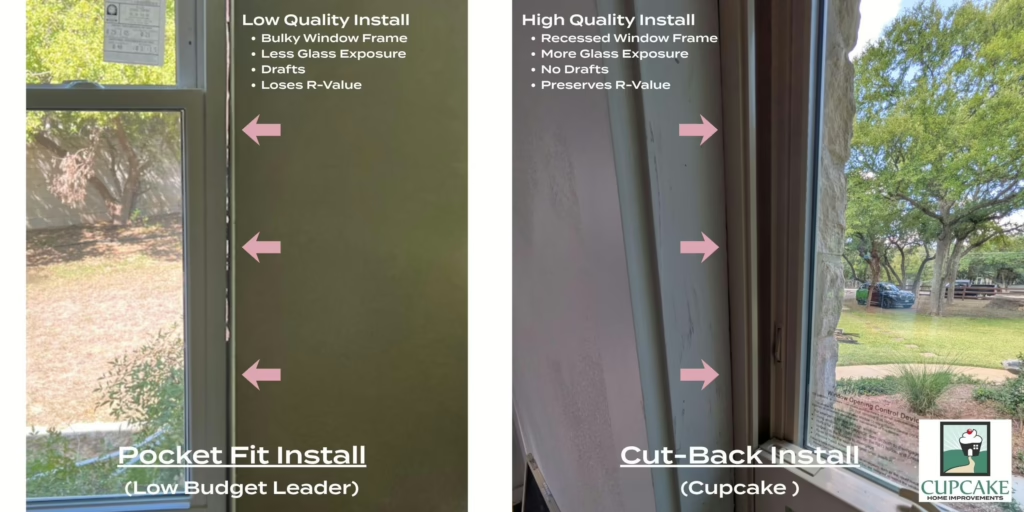
Why Cut-Back Outperforms Pocket-Fit
More visible glass area
Because the window frame is recessed into the rough opening rather than nested inside an existing frame, the visible glass area is larger. The difference is often meaningful — a cleaner sightline, more daylight, and a look that reads like new construction rather than a replacement.
Better long-term weather performance
Pocket-fit installations leave voids around the window perimeter where air and moisture can move through the wall assembly. A cut-back installation ties the window into the building envelope with proper head flashing and continuous air sealing — reducing the hidden pathways for drafts and water intrusion that develop over time. The seal is structural rather than caulk-dependent.
Cleaner interior lines
Pocket-fit installations require thicker interior trim to bridge the gap between the existing frame and the interior wall finish — a “shrink-to-fit” look that’s immediately visible. Cut-back installations allow the same reveal depth and trim profile as the original window, with cleaner lines and better symmetry throughout the room.
Stronger, more stable fastening
Fastening directly into structural framing provides better long-term stability than fastening into the existing frame. Less flex during temperature swings means less movement at the seal interfaces — which is one of the primary drivers of long-term weatherstrip and sealant failure.
Hidden damage gets found and fixed
Pocket-fit installations cover whatever is in the original frame cavity. A cut-back installation exposes the rough opening, which means deteriorated sill framing, moisture intrusion, insulation gaps, and original construction shortcuts get identified before the new window goes in — not discovered years later when they’ve worsened. This is accountability built into the method.
When Pocket-Fit Is the Right Choice
Cut-back is not always the correct method. Pocket-fit is appropriate when the existing frame is structurally sound, dry, and properly insulated — and when the project constraints make cut-back impractical. Tile surrounds that can’t be disturbed, historic interior trim that can’t be replicated, and openings where the original frame is in genuinely good condition are all situations where pocket-fit is a reasonable specification. The method should follow an honest assessment of what’s in the wall and what the homeowner’s priorities are — not a default preference for whichever approach is faster.
On every installation, the opening is inspected before the method is finalized. If pocket-fit is appropriate, we’ll say so and explain why. If cut-back is the right call, we’ll walk through what that means for the interior finish work before any agreement is signed.
Why Most Contractors Don’t Offer Cut-Back
Cut-back installations require more setup, more interior protection during the work, drywall patching and finish work after, and accountability for whatever is found behind the wall. They take more time and more skill per opening. For a contractor running on volume, pocket-fit is faster and produces less complexity per job. The homeowner rarely knows the difference until years later when the performance gap shows up as drafts, moisture problems, or seal failures that shouldn’t be happening on windows that are only a few years old.
Frequently Asked Questions
What is the difference between cut-back and full-frame window installation?
Cut-back is a type of full-frame installation. Full-frame installation is the broad category describing any method that removes the existing window down to the rough framing and installs the new window flush to the structure. Cut-back specifically refers to the process of cutting back the interior drywall to expose the rough opening before installation. Not all full-frame installations use the same approach — cut-back is Cupcake’s standard method when the home allows it.
Does cut-back installation damage my interior walls?
The installation requires removing drywall at the window perimeter to expose the framing. That material is patched and finished as part of the installation — the interior trim profile is restored before the job is complete. The disruption is contained and planned for. What cut-back installation exposes is the condition of the framing and any moisture or insulation issues in the existing wall cavity, which is part of the point: those problems are addressed rather than covered.
Is cut-back installation more expensive than pocket-fit?
Yes, because it requires more labor per opening — drywall removal, interior finish work, and more involved flashing and air sealing. The cost difference varies by home and opening conditions. The relevant comparison is total cost over the window’s service life, not installation day cost: a pocket-fit installation that develops moisture problems or persistent drafts five years in involves repair costs that a correctly executed cut-back installation typically avoids. See the window cost page for how installation method fits into overall project cost.
Can any window type be installed using the cut-back method?
Yes. The installation method is independent of the window type — cut-back is compatible with double-hung, casement, slider, picture, and all other window configurations. The method is determined by the condition of the existing opening and the project constraints, not by which window style is being installed.
How do I know which installation method is right for my home?
The opening has to be inspected before the method can be determined honestly. Frame condition, moisture history, interior trim constraints, and tile or cladding details all affect the call. At the appointment, the opening is evaluated and the recommended method is explained before any agreement is signed — including what cut-back would involve for interior finish work if that’s the right approach for your home. See the windows appointment page for what that evaluation looks like.
Why does installation method matter more than window brand or glass specs?
Because the window’s rated performance assumes it’s installed into a properly prepared, structurally sound opening with correct flashing and continuous air sealing. A pocket-fit installation that leaves voids in the wall assembly, skips integrated head flashing, or seats the unit inside a deteriorating frame cannot deliver the window’s rated U-value or air infiltration numbers — regardless of what the spec sheet says. The glass package and frame material determine the ceiling. The installation method determines whether you reach it. See the full installation process page for how each step contributes to long-term performance.
Want to Know Which Installation Method Your Home Needs?
We’ll inspect the opening, assess the frame condition, and give you a straight answer on whether cut-back or pocket-fit is the right call — before any agreement is signed.
- Opening inspection included at no charge
- No deposit required to get started
- Written scope before any work begins
- 10-year workmanship warranty on every installation