

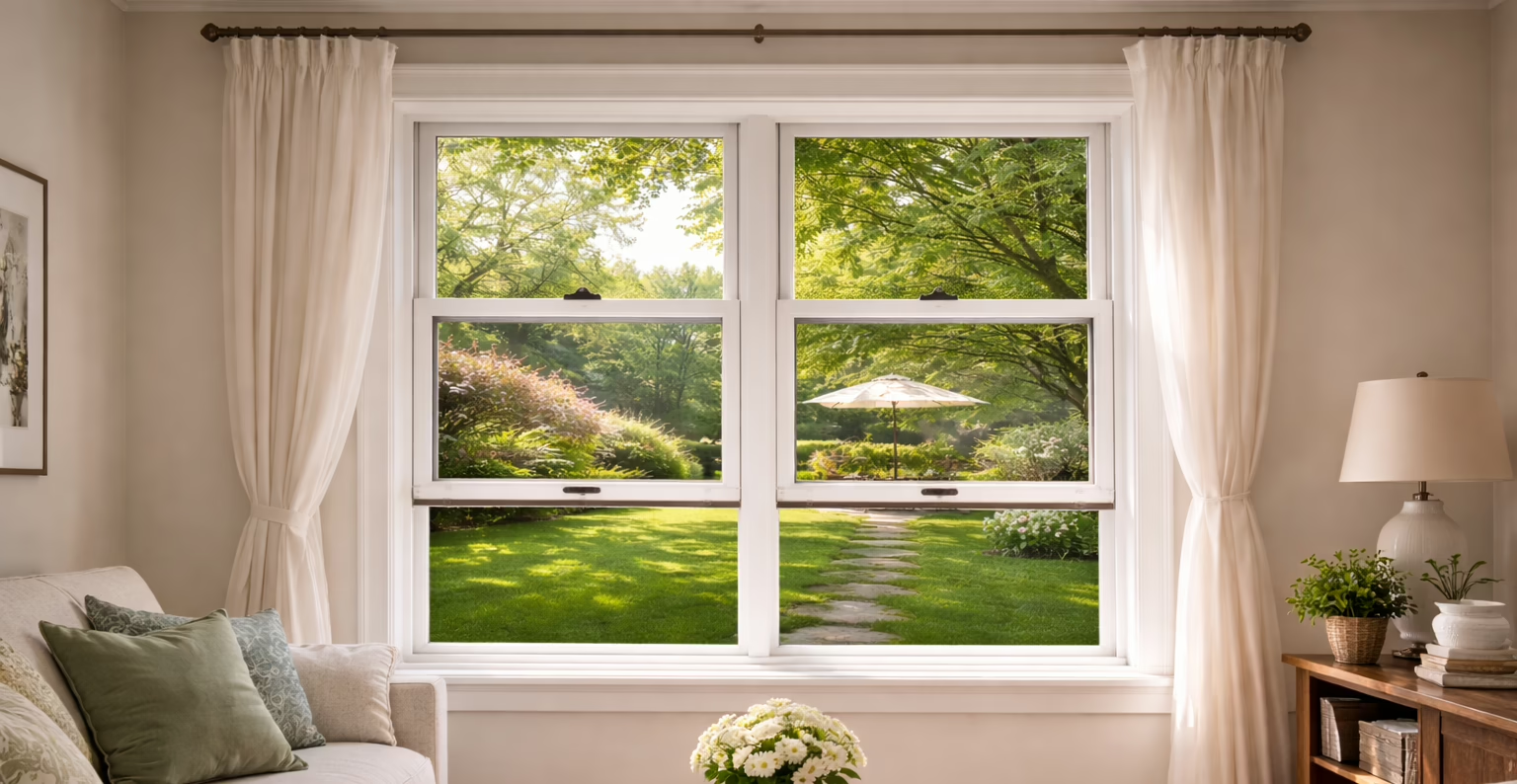
Double-Hung Replacement Windows: Features, Pros, and Tradeoffs
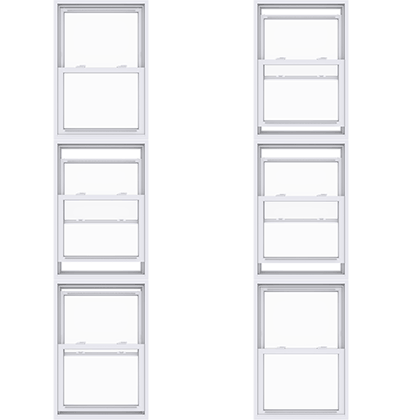
Double-hung windows have two independently operable sashes — upper and lower — that slide vertically within the frame. Opening both sashes simultaneously allows warm air to exit from the top while cooler air enters from below, a natural ventilation pattern that single-hung and casement windows cannot replicate. The tradeoff is mechanical complexity: double hungs rely on balance systems, sliding weatherstrips, and precise alignment to operate correctly, and more moving parts means more that can wear or drift over time. For openings where exterior swing clearance makes a casement impractical and split-sash ventilation is a genuine priority, double hungs are the strongest specification. For the full index of window styles and configurations we install in the Greater Austin Metro, see the replacement window types overview, or start with the replacement windows overview for the full picture.
More Control Over Airflow, Comfort, and Cleaning
Double-hung windows are chosen when the homeowner wants split-sash ventilation control, familiar operation in a traditional window format, and the ability to clean exterior glass from inside on multi-story installations. They are the most common residential window type in the United States — familiar, versatile, and available across the full range of frame materials and glass packages. Understanding what they do well and where they fall short makes the specification decision straightforward.
Recent Double Hung Window Projects Across the Austin Area
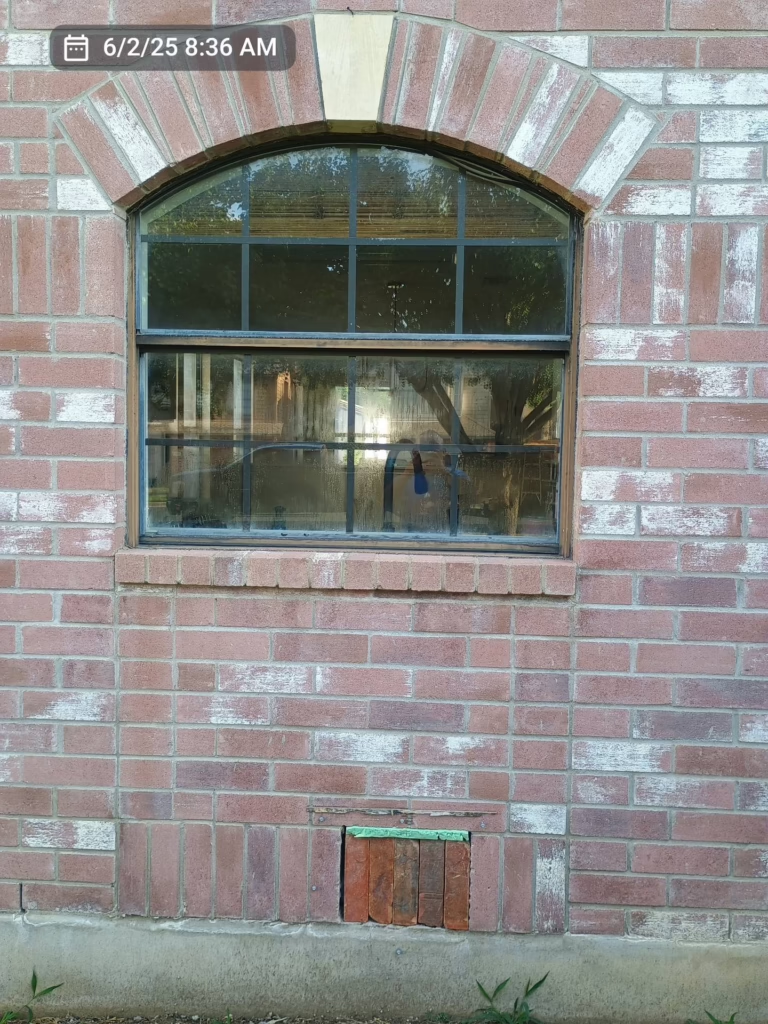
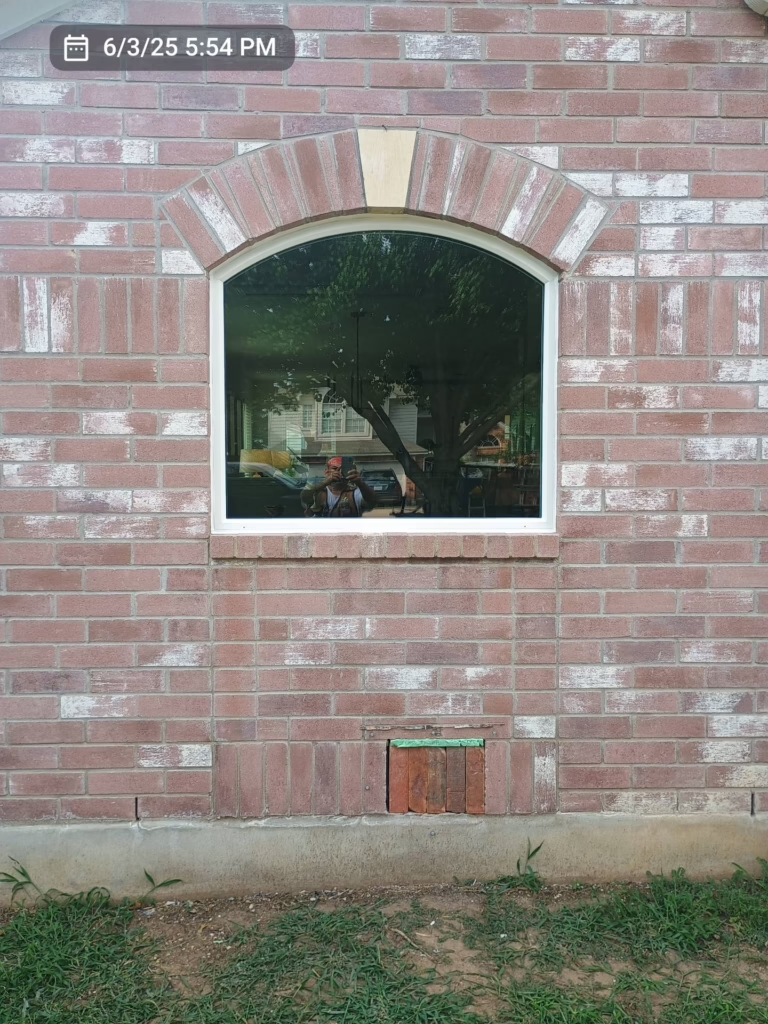
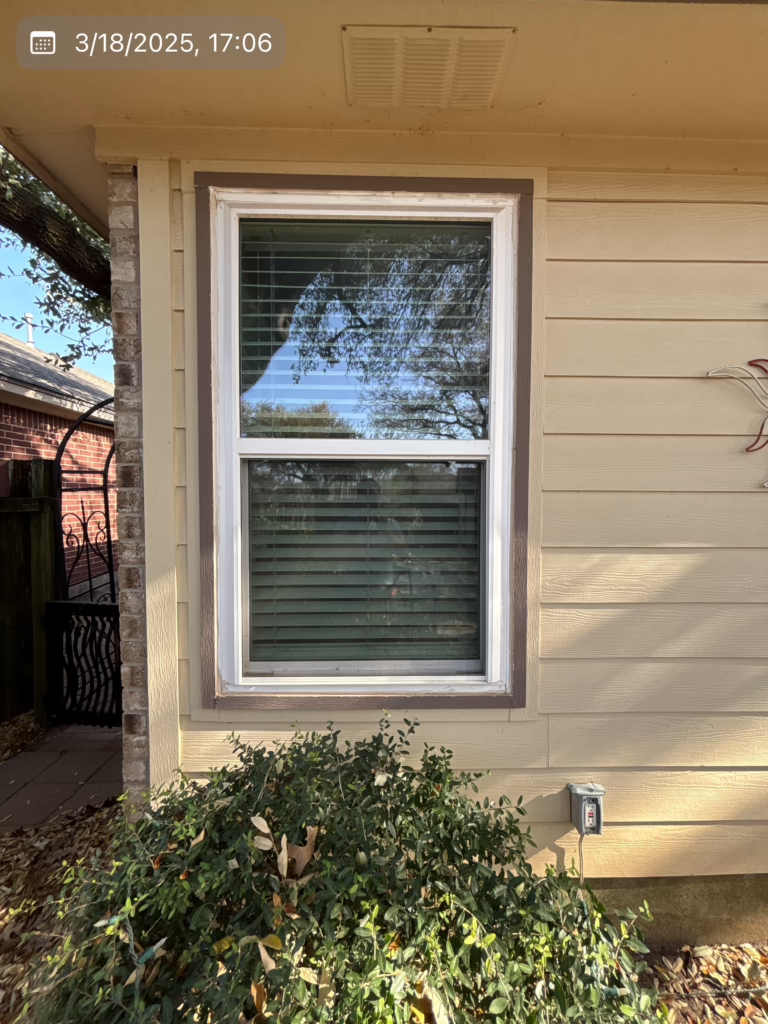
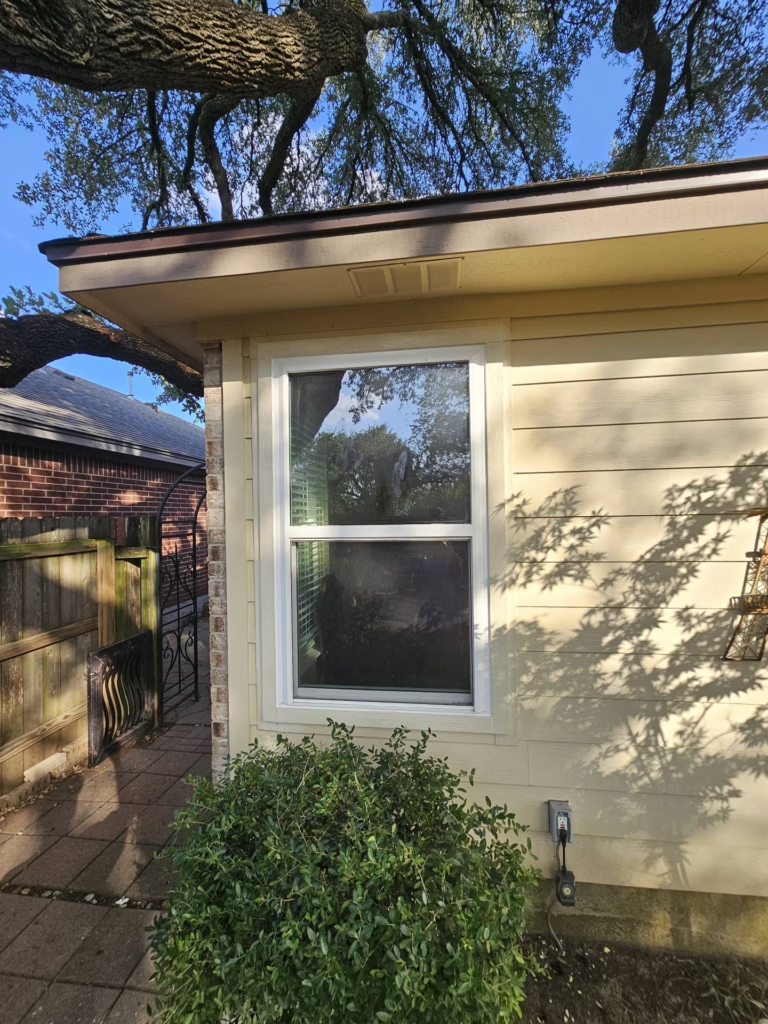
Real double hung window replacements completed for Austin-area homeowners — before and after, different materials, different conditions. This is what a properly installed double hung replacement window looks like when the framing, flashing, and finish details are handled correctly.




How Double-Hung Windows Perform
Ventilation and Comfort
The split-sash design is the primary functional advantage of double hungs over single-hung windows. Opening the upper sash allows warm air — which rises — to exit the room, while opening the lower sash draws cooler air in at floor level. In rooms with significant sun exposure or heat buildup, this stack-effect ventilation can meaningfully improve comfort during Austin’s shoulder seasons when outdoor temperatures allow natural cooling. Casements move more air through the opening itself, but they can’t produce this bidirectional flow pattern.
Sealing and Air Infiltration
Double-hung windows are sliding-seal windows. Both sashes slide against weatherstripped channels, and the meeting rail — where the upper and lower sashes meet at center — is the most significant air infiltration point in the assembly. This is an inherent characteristic of the design, not a product defect. Quality replacement-grade double hungs from brands like Anlin use multi-point locking and compression weatherstrip at the meeting rail to reduce infiltration at that joint, but the sliding channel interfaces remain. Casements and awning windows use compression sealing throughout and outperform double hungs on air infiltration. For rooms in Austin where HVAC efficiency is a priority and the exterior clearance for a casement exists, that difference is worth factoring into the decision.
Balance Systems and Long-Term Operation
Double-hung sashes are held in position by a balance system — typically a spring or block-and-tackle mechanism inside the frame channel — that counteracts the sash weight and keeps it where you set it. Balance systems wear over time. A sash that slowly slides down after being opened, or one that requires force to lift, is a balance system that needs service or replacement. This is normal maintenance on double hungs, not a sign of a failed window. Quality replacement-grade units use balance systems engineered for long service life; builder-grade and low-cost units use cheaper components that wear faster. Getting the opening square and the unit installed with consistent channel clearance determines how the balance system performs from day one.
Egress Considerations
Double-hung windows can qualify for egress compliance, but only the lower sash opening counts toward the net clear area. The full window height doesn’t apply — the opening dimensions are determined by how far the lower sash can be raised within the frame. In standard residential sizes, many double hungs reach IRC minimums of 5.7 square feet net clear area with 20-inch minimum width and 24-inch minimum height through the lower sash alone, but verification against the specific unit’s performance data is required before ordering for a bedroom installation. See the egress window requirements page for the full dimensional breakdown.
Tilt-In Cleaning
Most quality replacement double hungs include tilt-in sashes — both upper and lower tilt inward for exterior glass cleaning from inside. On second-story installations, this eliminates the need to clean from a ladder and is one of the practical reasons double hungs remain the dominant replacement window choice for multi-story homes. The tilt mechanism is a pivot point in the sash frame; quality pivot hardware holds up well over years of normal use, while lower-grade hardware can crack or loosen.
Double-Hung vs. Single-Hung
These two types look identical from the exterior and fill the same rough opening. The difference is operational: a single-hung window has a fixed upper sash and only the lower sash moves. Single hungs have fewer moving parts, no upper balance system, and a simpler weatherstripping configuration — which is why they cost less and have fewer long-term maintenance points. The case for double-hung is specific: if the split-sash ventilation pattern genuinely matters for how you use the room, and if upper-sash cleaning access on a multi-story installation is a real priority, the added cost and complexity are justified. If neither applies, single-hung is the honest choice.
Where Double-Hung Windows Make the Most Sense
Bedrooms where egress compliance is required and the lower sash opening reaches IRC minimums — double hungs are a common and practical egress window specification. Multi-story installations where tilt-in cleaning access from inside is a real operational priority. Rooms with significant heat buildup where the stack-effect ventilation from opening both sashes can help manage temperatures during Austin’s shoulder seasons. Openings near patios, walkways, or tight side yards where the exterior clearance for a casement swing doesn’t exist — double hungs operate entirely within the frame and need no exterior clearance. Traditional or historically-styled homes where the double-hung profile is part of the architectural character of the exterior. See the replacement window cost page for how double-hung compares to other types on total project cost.
Installation Details That Matter for Double Hungs
Double-hung windows are more sensitive to installation quality than their familiarity suggests. The balance system’s effectiveness depends on consistent channel clearance throughout the frame — if the unit is shimmed unevenly or the rough opening has any twist, one side of each sash will bind while the other floats. The meeting rail needs to close with even pressure to minimize air infiltration at that joint. The flashing at the head and sides sets the water management for the life of the window. None of these details can be corrected after the unit is in place without removing it. Full details on how we install windows as a water-managed building envelope system are on the window installation process page. For material decisions that are still open, the window materials overview covers the full comparison for Central Texas conditions.
Frequently Asked Questions
Why does my double-hung window slide down after I open it?
The balance system is worn or out of calibration. Double-hung sashes are held in position by a balance mechanism — typically spring-loaded — inside the frame channel. When the balance loses tension, the sash weight wins and the sash drifts down. On newer replacement windows, balance systems are usually serviceable or replaceable; on older units or lower-grade windows, replacement of the window is often more practical than balance repair. This is a normal maintenance item on double hungs, not a sign of a defective window. It’s also covered on the windows hard to open page.
Do double-hung windows seal as well as casement windows?
No, and this is worth understanding before specifying. Double-hung windows are sliding-seal windows — both sashes move against weatherstripped channels, and the meeting rail where the sashes meet at center is the primary air infiltration point. Casement windows use a compression seal that draws the sash against a perimeter gasket with even pressure when closed, which outperforms the sliding interface on air infiltration and continues to do so over time as the weatherstrip wears. For rooms in Austin where sealing performance is a priority, casements are the stronger specification where exterior clearance permits.
Can a double-hung window meet egress requirements?
Yes, but only the lower sash opening counts. The net clear area for egress purposes is determined by how far the lower sash raises within the frame — not the combined window height. In standard residential sizes, many double hungs reach the IRC minimum of 5.7 square feet with a 20-inch minimum width and 24-inch minimum height through the lower sash alone, but verify the specific unit’s net clear opening data before ordering for a bedroom installation. The egress window requirements page has the full dimensional requirements.
What is the difference between double-hung and single-hung windows?
Single-hung windows have a fixed upper sash — only the lower sash moves. Double-hung windows have both sashes operable. The practical difference is split-sash ventilation (warm air out the top, cool air in the bottom) and the ability to tilt the upper sash in for cleaning. Single-hung windows have fewer moving parts, lower cost, and simpler long-term maintenance. If the split-sash ventilation pattern and upper sash cleaning access aren’t genuine priorities for the specific room, single-hung is the simpler and more economical choice.
Does installing a double-hung window require a permit in Austin?
A like-for-like replacement in the same rough opening typically does not require a permit. Enlarging an existing opening or adding a new opening requires a permit through Austin’s Development Services Department. If the installation involves structural modifications to the header or framing, a permit is required regardless of whether the finished opening size changes. Confirm the scope with Development Services before finalizing the project.
Not Sure if Double-Hung Is the Right Call?
We’ll help you evaluate room by room — ventilation needs, sun exposure, egress requirements, and whether double or single-hung makes more sense for each opening.
- Window type matched to your specific conditions
- No deposit required to get started
- Written scope before any work begins
- 10-year workmanship warranty on every installation