

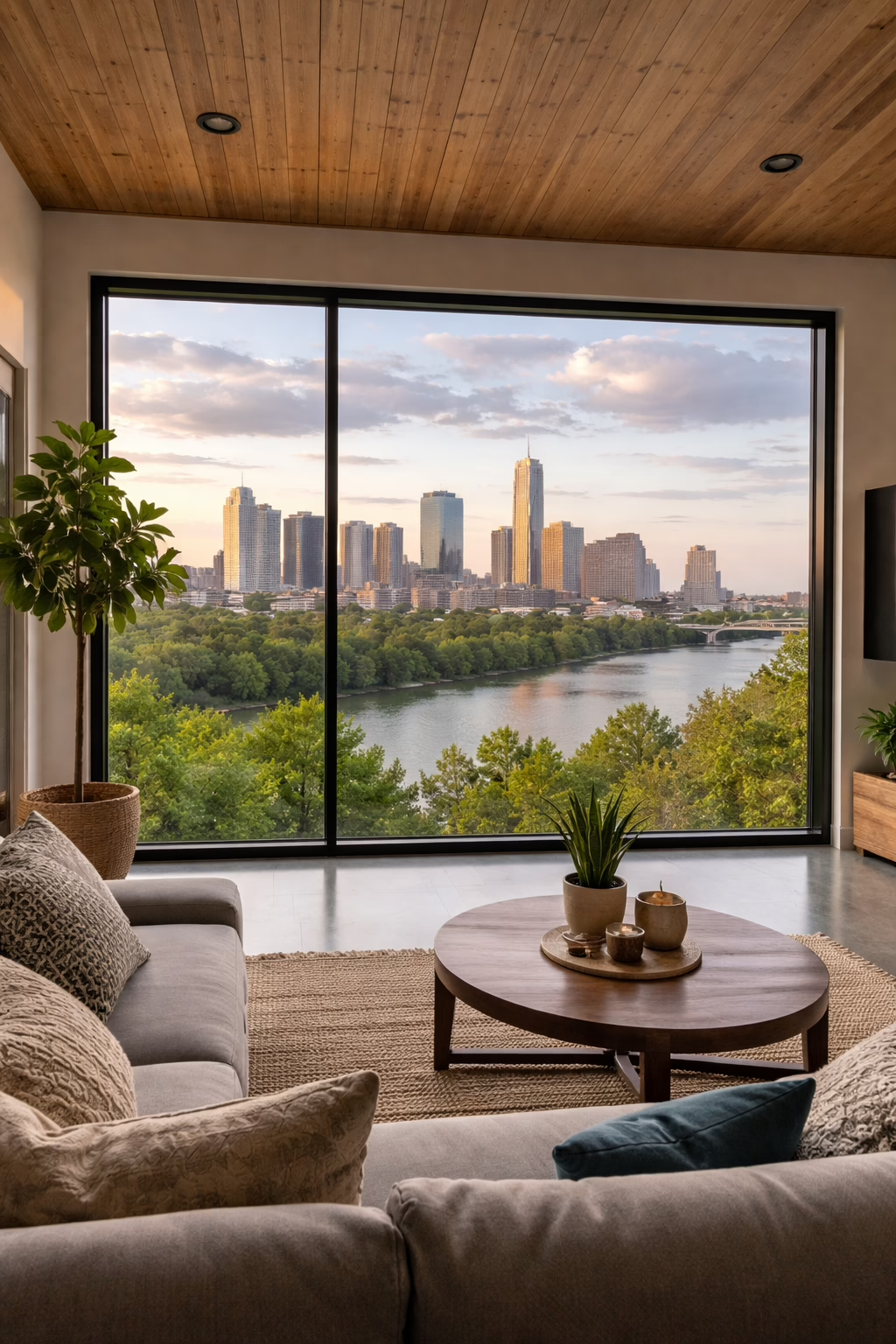
Aluminum Replacement Windows
Modern thermally broken aluminum windows are an entirely different product from the aluminum windows that earned the material a bad reputation. The thermal break — an insulating barrier within the frame — interrupts the conductive path that made old aluminum windows so poor in demanding climates, allowing aluminum to achieve energy performance that approaches vinyl while retaining its structural advantages: high strength-to-thickness ratio, resistance to deformation, and narrow sightlines that vinyl and fiberglass cannot match. We install aluminum windows when the project’s design intent or opening conditions make those advantages count. For a comparison of all frame materials we install, see the window materials overview, or start with the replacement windows overview for the full picture.
When Aluminum Windows Are the Right Design Choice
Aluminum appeals to homeowners who prefer clean lines, slim profiles, and a modern architectural feel — and who want windows that complement contemporary design rather than disappear into it. It is not the default choice for every home, and that is exactly the point. Aluminum is selected intentionally for projects where its design language and structural qualities are part of the specification, not chosen because it is the most common or most affordable material available.
Not Yesterday’s Aluminum: The Importance of Thermal Breaks
Traditional aluminum windows earned a deserved reputation for being cold, conductive, and inefficient. In an unbroken aluminum frame, metal connects the interior and exterior surfaces directly — heat conducts through the frame in summer, cold conducts through in winter, and condensation forms on interior surfaces where warm indoor air meets the cold metal. In Central Texas, that means an aluminum window without a thermal break is radiating heat into the home all summer. Replacing non-thermally-broken aluminum windows is one of the highest-impact window upgrades available in terms of comfort improvement per dollar.
The aluminum windows we install are thermally broken — a non-conductive insulating barrier is built into the frame profile, separating the interior and exterior metal components. This interrupts the conductive path, dramatically reduces heat transfer through the frame, and eliminates the condensation and radiant heat problems that old aluminum systems produce. Thermally broken aluminum performs significantly better than non-broken aluminum in Central Texas conditions and is the only aluminum specification worth considering for a residential replacement project in this climate.
Strength, Precision, and Clean Sightlines
Aluminum’s high strength-to-thickness ratio allows for slimmer frames and larger glass areas than vinyl or even fiberglass at comparable structural ratings. This makes aluminum windows well suited for contemporary homes and modern remodels where expansive views and minimal frame visibility are design priorities — large picture windows, wide slider configurations, and casement units where the glass is meant to read as the dominant element rather than the frame. The aluminum we install is extruded — thick-wall profiles with structural integrity — not thin roll-formed material that flexes or deforms over time.
Aluminum vs. Vinyl: A Matter of Design Intent
For most Central Texas homeowners, the decision between aluminum and vinyl comes down to design intent rather than performance alone.
- Vinyl windows are chosen for value, insulation, and low maintenance. They perform exceptionally well in most residential applications and are the right call for the majority of replacement projects where material aesthetics are not the primary driver.
- Aluminum windows are chosen for aesthetic, structural precision, and minimal frame profiles. Homeowners who want the visual language of metal — sharp lines, thin frames, a distinctly modern look — specify aluminum because vinyl cannot replicate that result regardless of how well it is engineered.
For a detailed comparison of vinyl’s strengths and where it meets the performance bar, see the vinyl window materials page.
Aluminum vs. Fiberglass: Two Premium Options, Different Strengths
Aluminum and fiberglass are both premium-tier frame materials that offer slim sightlines and structural performance beyond vinyl — but they serve different priorities. Fiberglass has the stronger thermal story in Central Texas: it expands at nearly the same rate as glass, which protects IGU seal integrity over decades of temperature cycling. It also carries more acoustic mass. For long-term performance and noise reduction in demanding conditions, fiberglass is typically the stronger specification. Aluminum wins on design flexibility — the visual character of metal, the ability to take custom exterior paint finishes, and the structural rigidity that allows the slimmest possible frame profiles. For projects where the architectural intent requires the look and feel of metal, fiberglass does not substitute for it. The fiberglass window materials page covers where fiberglass outperforms both vinyl and aluminum for Central Texas conditions.
Customization and Design Flexibility
Aluminum windows are available across the standard residential window configurations — casement, slider, awning, picture, and specialty configurations. Finish and color options are broader than vinyl — aluminum accepts custom powder-coat finishes that allow the frame to function as an architectural element rather than a neutral background. When paired with modern low-E glass tuned for solar control, thermally broken aluminum delivers a balanced combination of light, comfort, and heat gain management appropriate for Central Texas exposures.
Installation Quality Determines Real-World Performance
As with any frame material, aluminum window performance depends on correct installation — proper sizing, flashing, air sealing, and integration with the building envelope. The thermal break does its job only when the frame is correctly seated and the perimeter is properly sealed; a well-specified aluminum window installed with air gaps at the perimeter loses most of what the thermal break provides. We install aluminum windows using the same system-level process as every other material, backed by a 10-year workmanship warranty. Details on what that process involves are on the window installation process page. For how material choice affects total project cost, see the replacement window cost page.
Frequently Asked Questions
Are aluminum windows energy efficient in Central Texas heat?
Thermally broken aluminum — yes, meaningfully so. Non-thermally-broken aluminum — no, and replacing it is one of the highest-impact window upgrades available in Austin in terms of comfort improvement. The thermal break interrupts the conductive path through the frame, which is what made old aluminum so poor in demanding climates. With a proper thermal break and a low-E glass package tuned for solar control, aluminum windows perform well in Central Texas conditions. They do not match the insulating value of vinyl or fiberglass on frame U-value alone, but the difference is manageable when the glass package is correctly specified.
How does thermally broken aluminum compare to vinyl on energy performance?
Vinyl has a higher frame R-value than thermally broken aluminum — vinyl is an inherently insulating material, aluminum is not. In practice, the glass unit carries most of the thermal work in any window, so the frame material difference is less dominant than the glass package selection. For the highest energy performance from aluminum, a high-performance low-E glass package is essential — it compensates for the frame’s lower insulating value. For homeowners where energy efficiency is the primary driver rather than aesthetics, quality vinyl from Anlin or ProVia is typically the stronger specification at a lower cost. Aluminum is the right call when the design intent requires it.
Do aluminum windows rust or corrode in Austin conditions?
Aluminum does not rust — it is not iron-based. It can oxidize, which produces a dull white surface residue on uncoated aluminum, but modern powder-coat finishes prevent this entirely and are standard on residential aluminum windows. Austin’s climate does not present corrosion conditions that would stress properly finished aluminum frames. Coastal environments with salt air are more challenging for aluminum; Central Texas is not. Properly finished thermally broken aluminum windows require minimal maintenance and hold their appearance well over decades of Austin conditions.
Is aluminum a good choice for large openings?
Yes — this is actually one of aluminum’s strongest use cases. The high strength-to-thickness ratio of aluminum allows large-format openings to be framed with narrower profiles than vinyl or fiberglass require at comparable structural ratings. For wide picture windows, large slider configurations, or expansive casement units where minimal frame visibility is part of the design intent, aluminum produces a result that other materials cannot replicate at the same sightline dimension. This is the scenario where aluminum’s premium cost is most clearly justified.
How much do aluminum windows cost compared to vinyl?
Thermally broken aluminum windows typically cost 50–100% more than comparable vinyl windows depending on the configuration and finish specification. The cost premium reflects both the material and the more complex manufacturing process involved in producing thermally broken frames and powder-coat finishes. For projects where the design intent justifies aluminum, the premium is part of the specification. For projects where vinyl meets the performance and aesthetic requirements, aluminum’s premium is hard to justify on performance grounds alone. The replacement window cost page covers what drives total project cost across all materials in detail.
Considering Aluminum Windows for Your Home?
We’ll assess your openings, design goals, and performance priorities and give you a straight recommendation on whether aluminum is the right specification — or whether vinyl or fiberglass gets you there at better value.
- Free on-site assessment with no obligation
- Material and glass package recommendations explained clearly
- No deposit required to get started
- 10-year workmanship warranty on every installation