

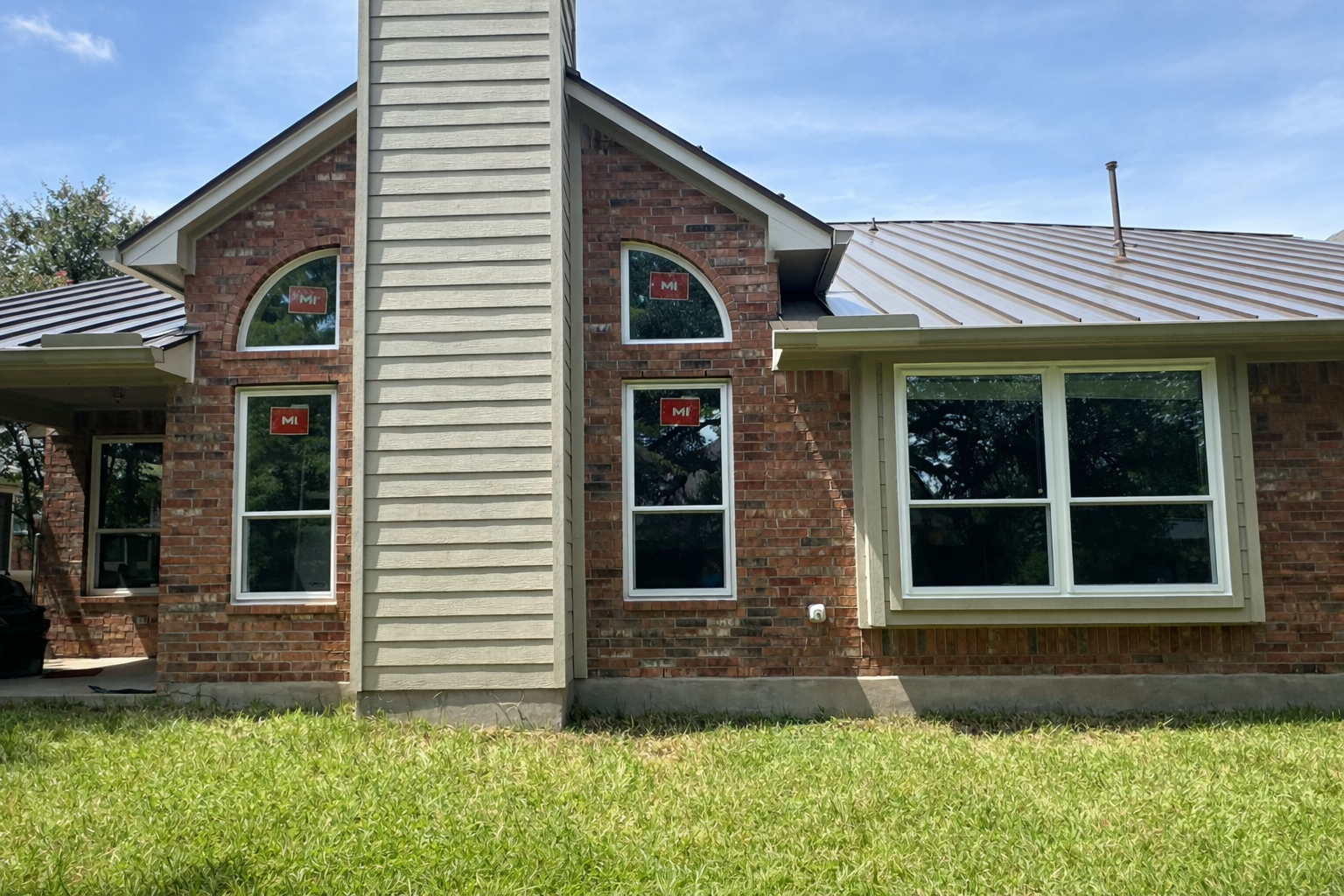
Vinyl Replacement Windows
Vinyl is the most commonly installed window frame material in Central Texas homes — chosen for durability in heat, low maintenance, strong energy performance, and a value proposition that holds up against more expensive alternatives. Modern replacement-grade vinyl, when properly built and professionally installed, performs extremely well in real homes over real time. This page covers what makes quality vinyl worth specifying, where it has limits, and how it compares to fiberglass. For a comparison of all frame materials we install, see the window materials overview, or start with the replacement windows overview for the full picture.
Why So Many Austin Homeowners Choose Vinyl Windows
Vinyl windows check the most boxes for most Central Texas homes — durability, energy efficiency, and long-term value without unnecessary complexity or cost. We recommend them not because they’re the cheapest option, but because modern vinyl windows perform well under the specific conditions Austin puts them through: sustained heat, UV intensity, thermal cycling, and occasional severe weather.
Low-Maintenance by Design
One of the biggest reasons homeowners choose vinyl windows is simple: they don’t create future work. Vinyl frames won’t rot, peel, swell, or require repainting the way wood can. The color is integrated throughout the material, so minor scuffs don’t expose a different substrate underneath. Years after installation, vinyl windows still clean up easily, operate smoothly, and look the way they’re supposed to — without adding another maintenance obligation to the home.
Energy Efficiency That Holds Up in Texas Heat
Vinyl is a naturally insulating material, which makes it well suited for homes exposed to prolonged heat. When paired with modern low-E glass and proper perimeter sealing, vinyl windows reduce heat transfer through the glass unit, eliminate the air infiltration around the frame that costs the most in comfort and energy, and maintain more consistent indoor temperatures during extreme weather. The result is less strain on your HVAC system throughout the year — and fewer of the moisture and leakage problems that come from windows that never sealed correctly in the first place.
Outdated Vinyl Myths vs. Modern Reality
Some homeowners still hear that vinyl windows are “inferior.” That perception didn’t come from nowhere — early vinyl formulations lacked the rigidity, thermal stability, and UV resistance that modern vinyl frames now deliver. Vinyl manufacturing has evolved significantly. Advances in material science, extrusion engineering, and reinforcement design have produced frames that are genuinely strong, dimensionally stable, and built for long-term residential performance.
Where confusion persists is when all vinyl windows are treated as the same product.
- Builder-grade vinyl windows — used in large developments or sold through big-box channels — typically rely on thinner frame profiles and lighter internal structures to reduce cost. These are the windows that earned vinyl its reputation for early failure.
- Replacement-grade vinyl windows, like the ones we install, are engineered with thicker extrusions, reinforced designs, and stronger welds intended to perform for decades. They are a different product class, not a different color of the same thing.
Vinyl doesn’t underperform because it’s vinyl. It underperforms when it’s built to cut corners. One of the clearest signals of modern vinyl quality is how confidently manufacturers stand behind it — brands like Anlin and ProVia offer lifetime transferable warranties on their vinyl frames because the material is engineered to support that coverage. Even MI Windows, the value-tier brand in our lineup, backs their vinyl with a limited lifetime warranty. That level of coverage wouldn’t exist if the material couldn’t hold up over time.
Vinyl vs. Fiberglass: Choosing What Fits Your Home
Vinyl and fiberglass are both strong choices for Central Texas, but they serve different priorities.
- Vinyl windows are typically the right choice for homeowners prioritizing value, energy efficiency, and low maintenance. For most Austin-area homes with standard openings and typical sun exposure, modern replacement-grade vinyl delivers all the structural performance required.
- Fiberglass windows offer greater dimensional stability (fiberglass expands and contracts at nearly the same rate as glass), slimmer frames with higher structural integrity, and more acoustic mass. They’re the stronger specification for oversized openings, high-sun west and south exposures where thermal cycling is most demanding, and noise-sensitive locations.
Fiberglass is undeniably stronger — but for many homes, that additional strength is simply more than what’s required to achieve excellent performance. For standard double-hung and casement configurations under typical sun exposure, quality vinyl is the right call. The right choice depends on what the openings demand, not on which material sounds more impressive. The fiberglass window materials page covers the comparison in full detail, including where the cost premium is and isn’t justified in Central Texas conditions.
Installation Quality Determines Real-World Performance
Even the best vinyl window will fall short if it is installed incorrectly. Proper sizing, flashing, air sealing, and glass specification all determine whether a vinyl window performs as engineered or fails early. Our crews follow installation standards that treat each opening as part of the building envelope rather than a simple swap-and-caulk job, and we back every installation with a 10-year workmanship warranty. For a detailed breakdown of what correct vinyl window installation involves, see the window installation process page. For how material choice affects total project cost, see the replacement window cost page.
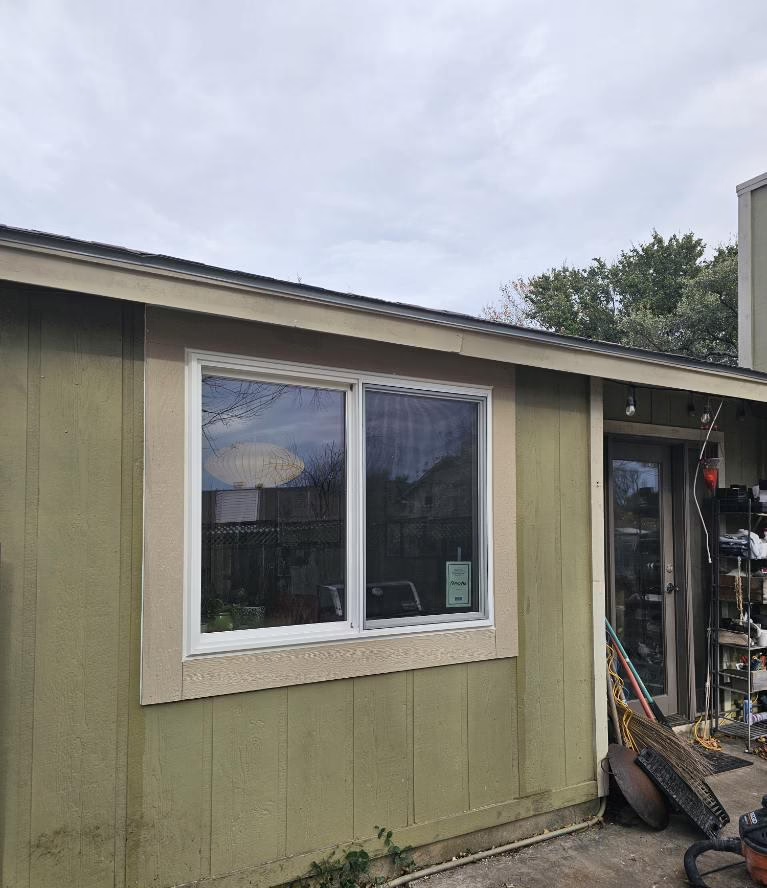
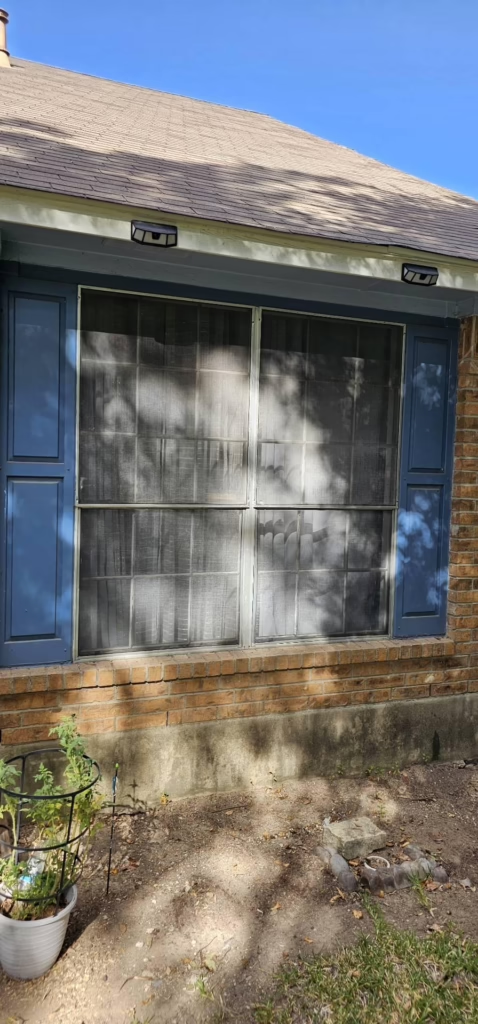
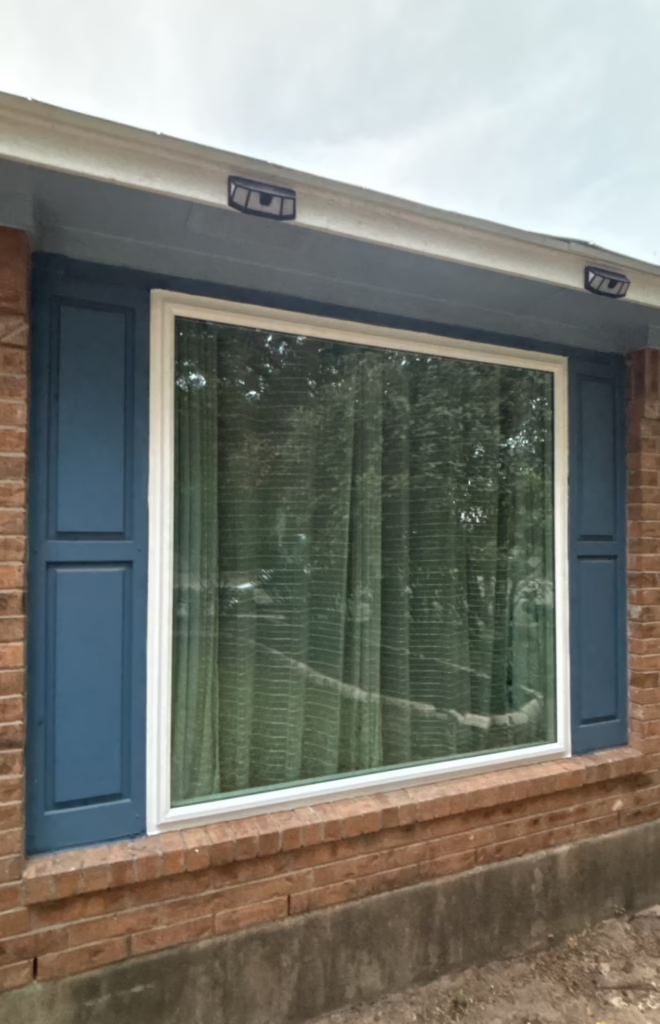
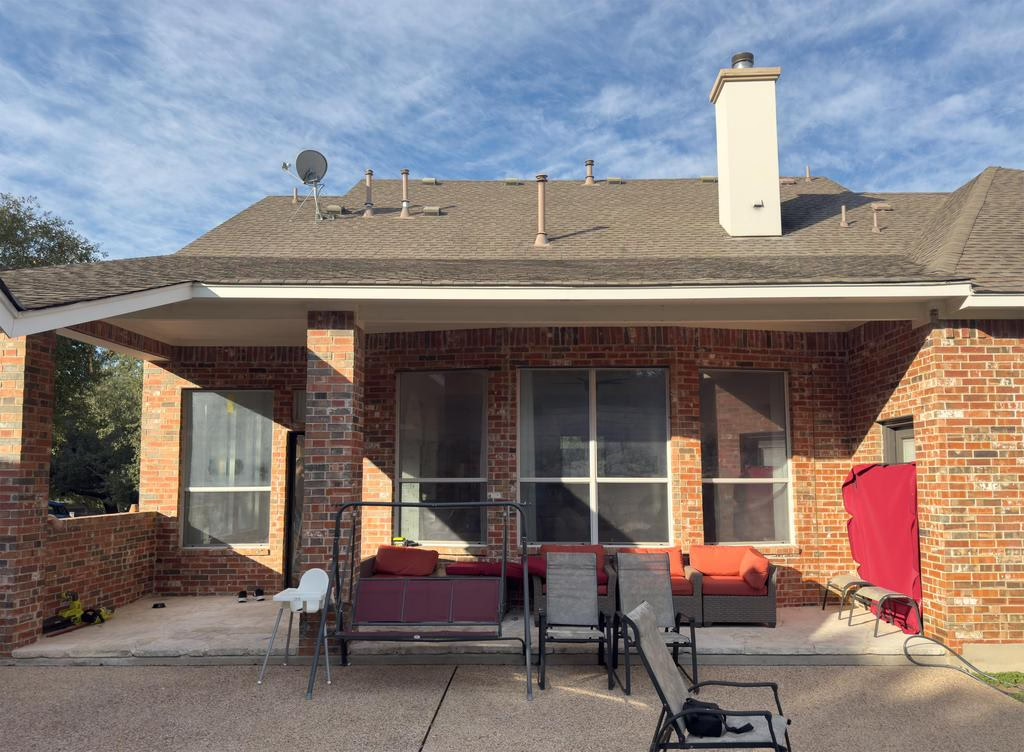
Recent Vinyl Window Projects Across the Austin Area
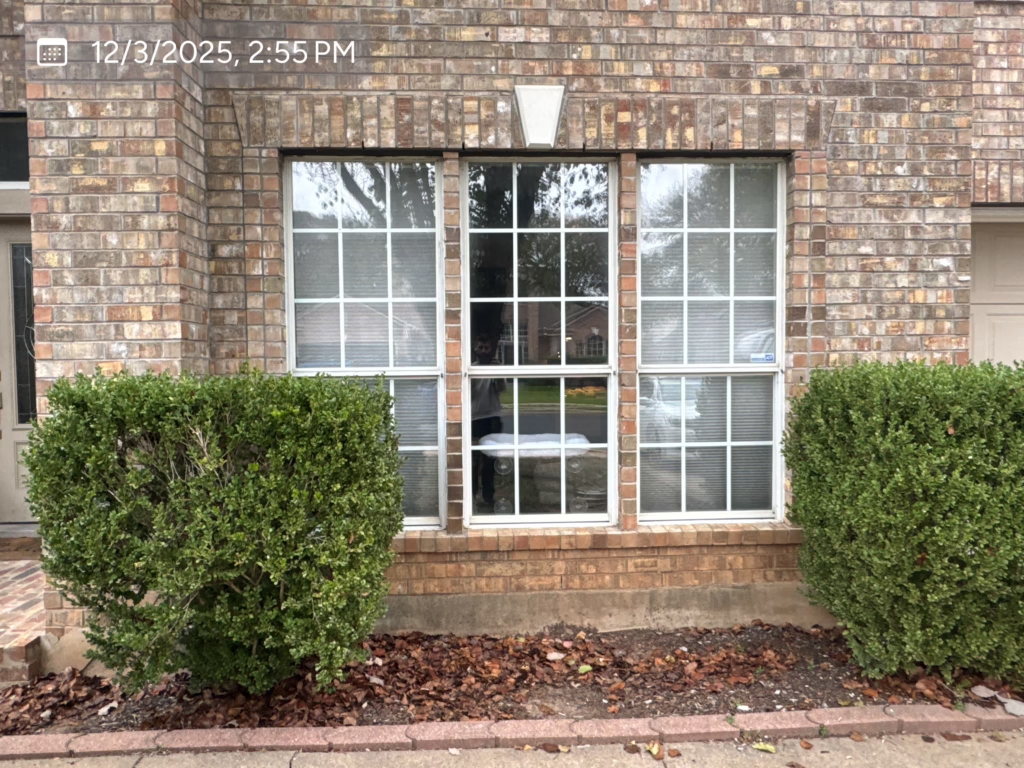
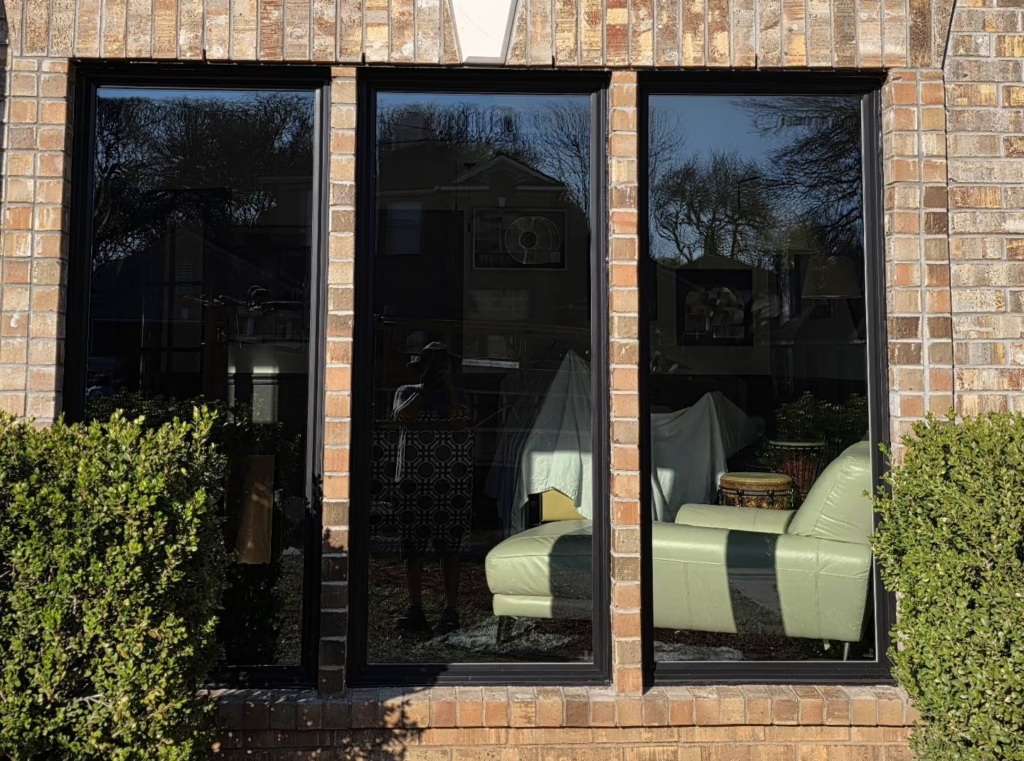
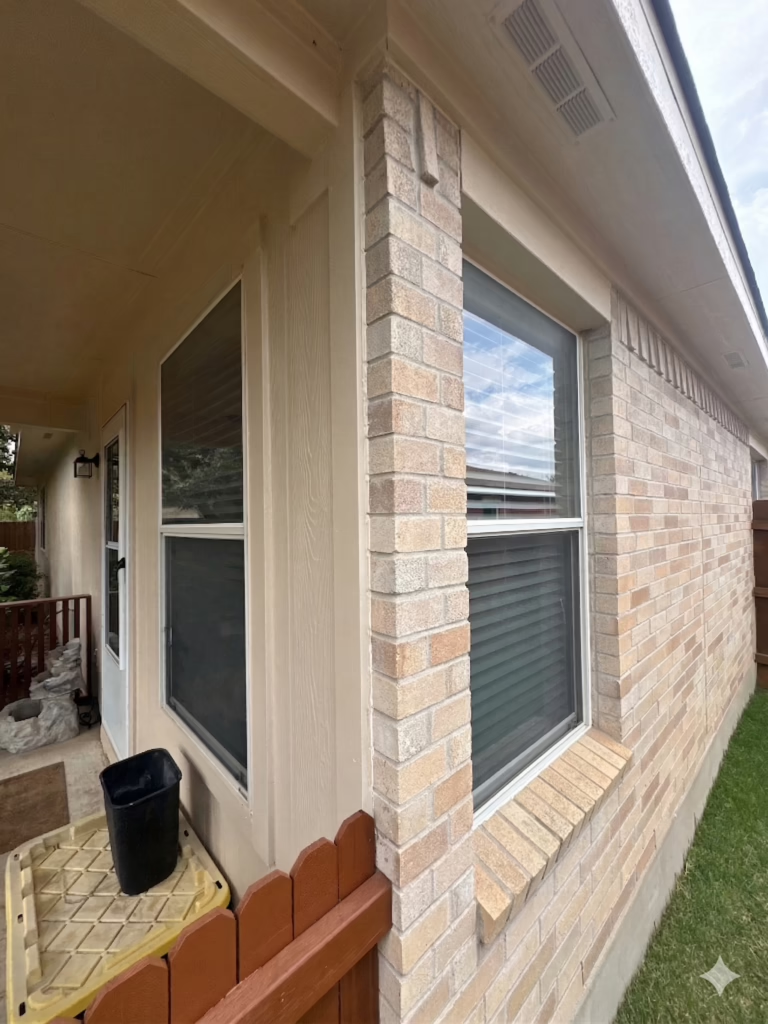
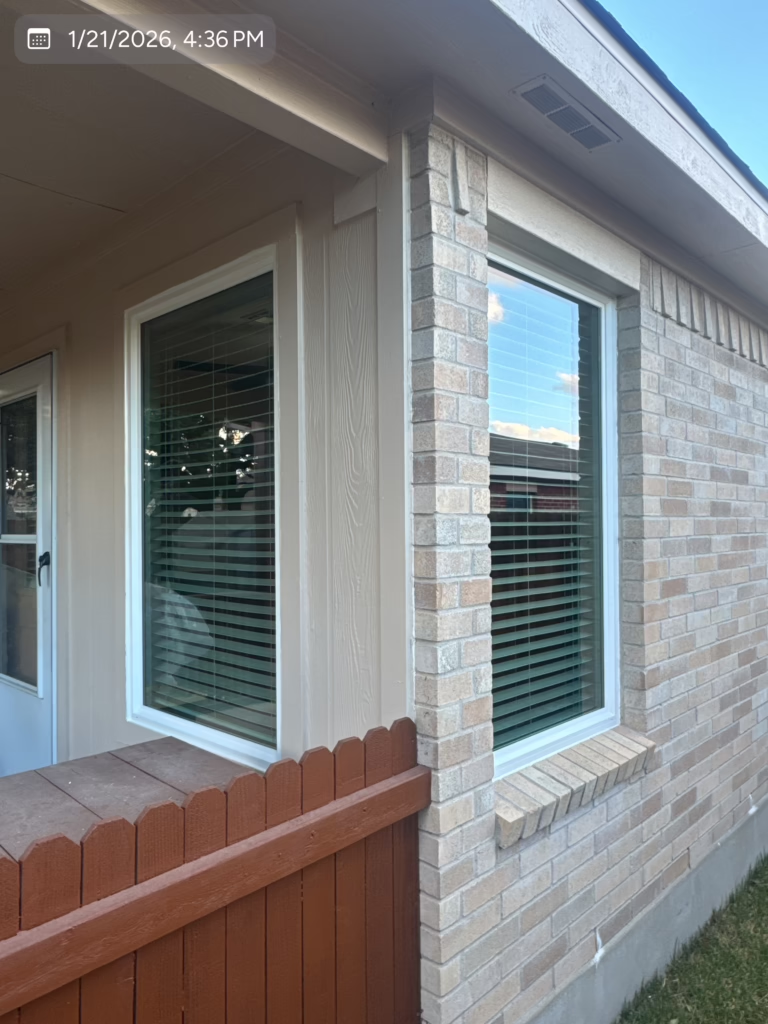
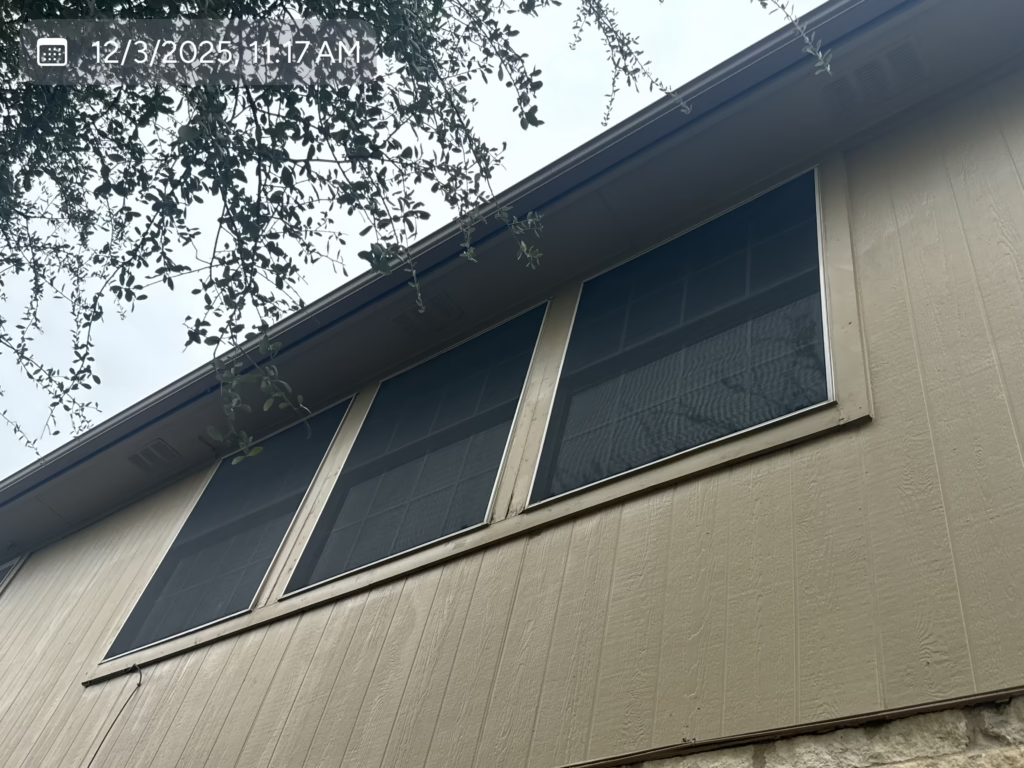
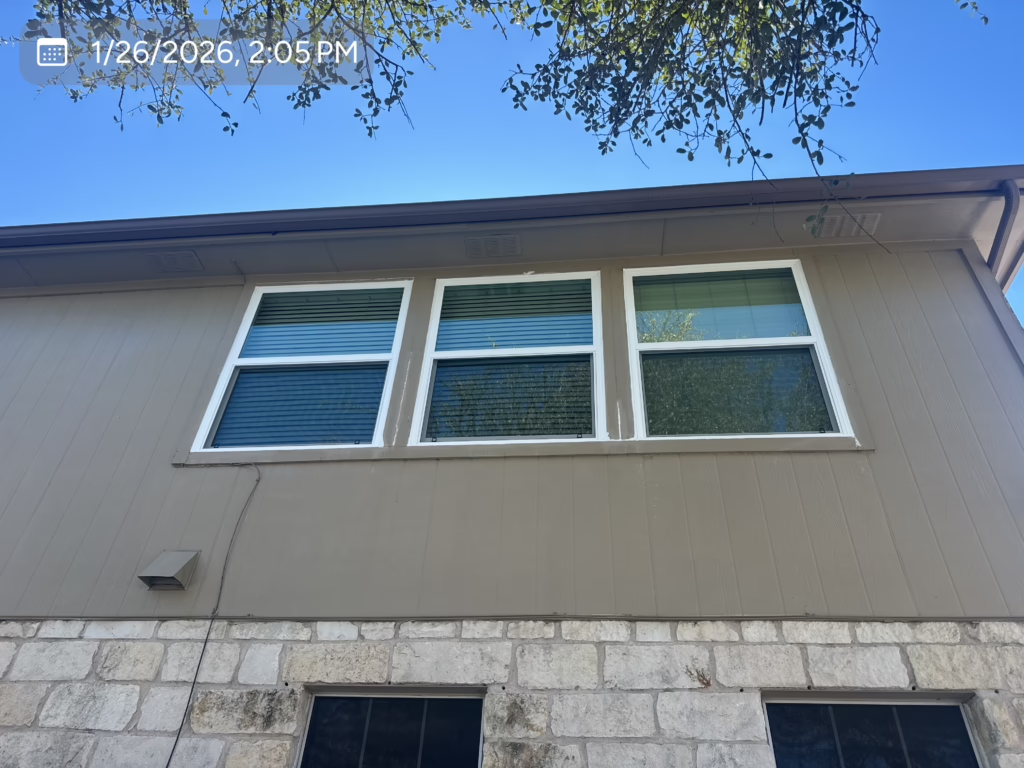
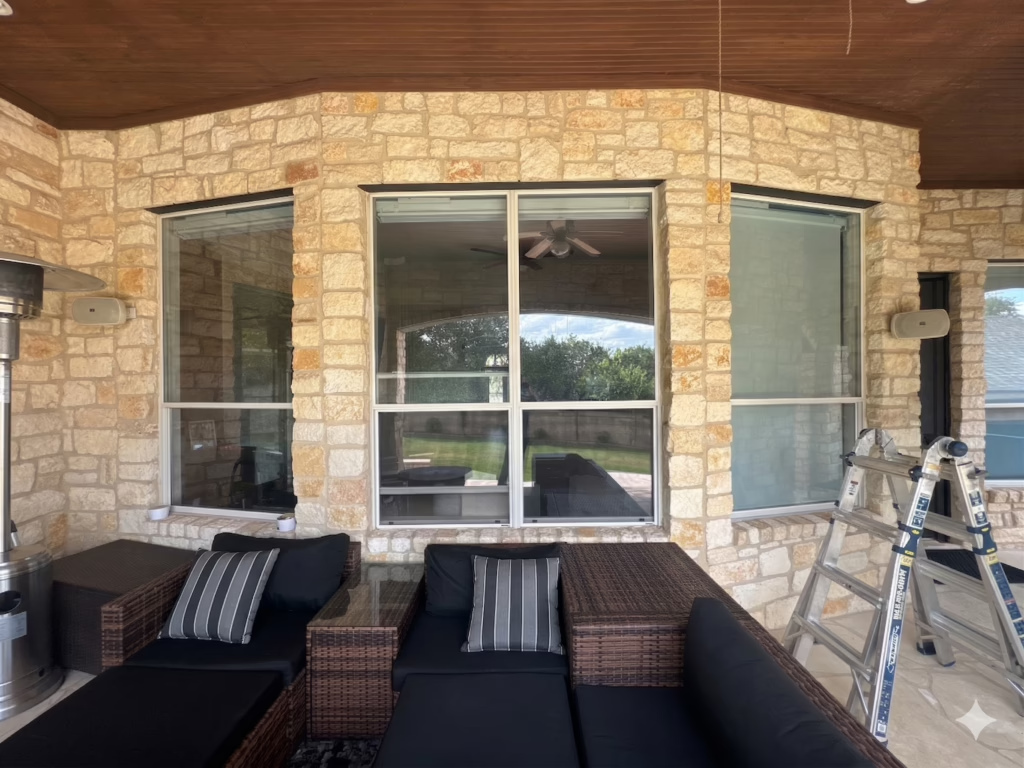
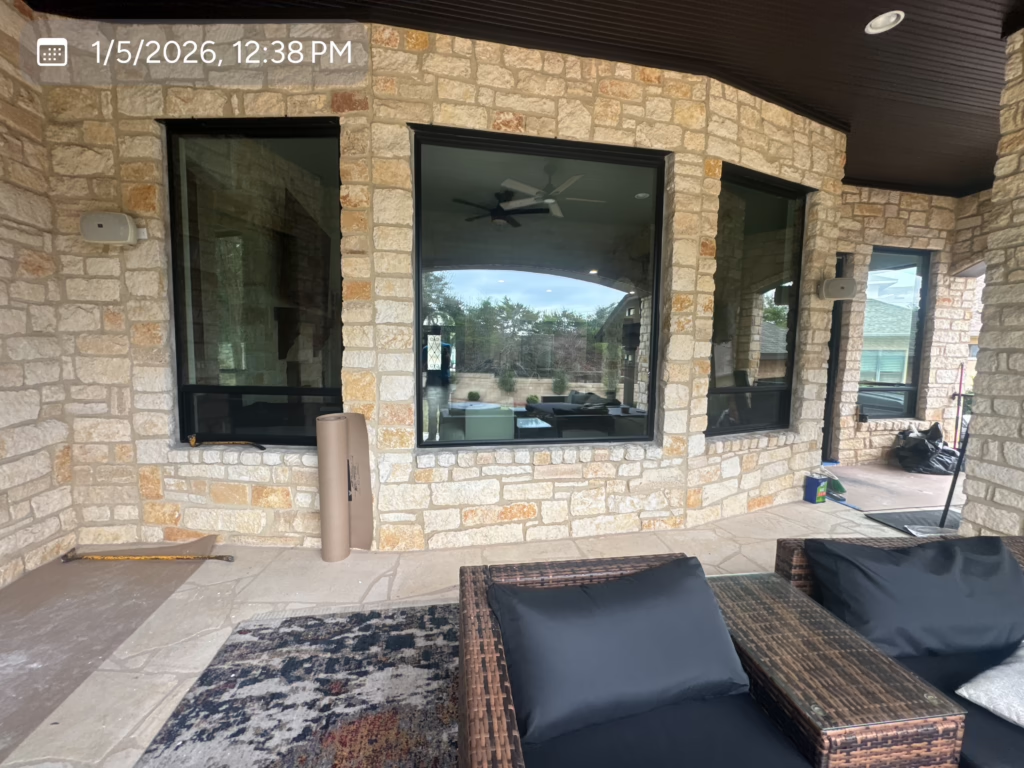
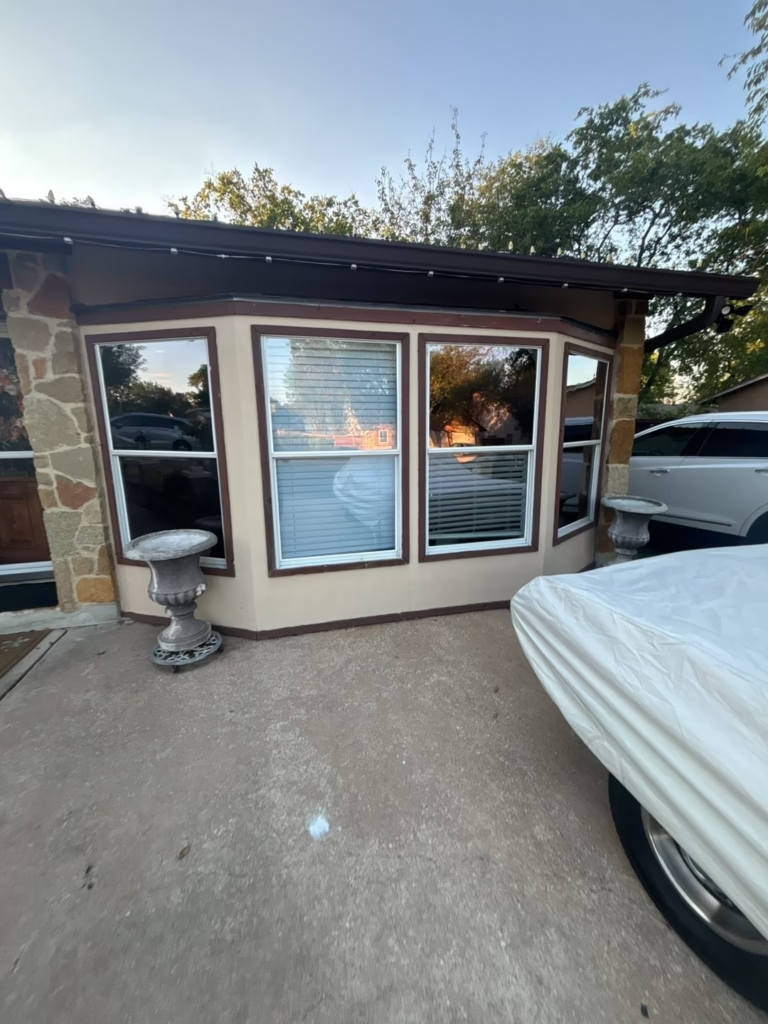
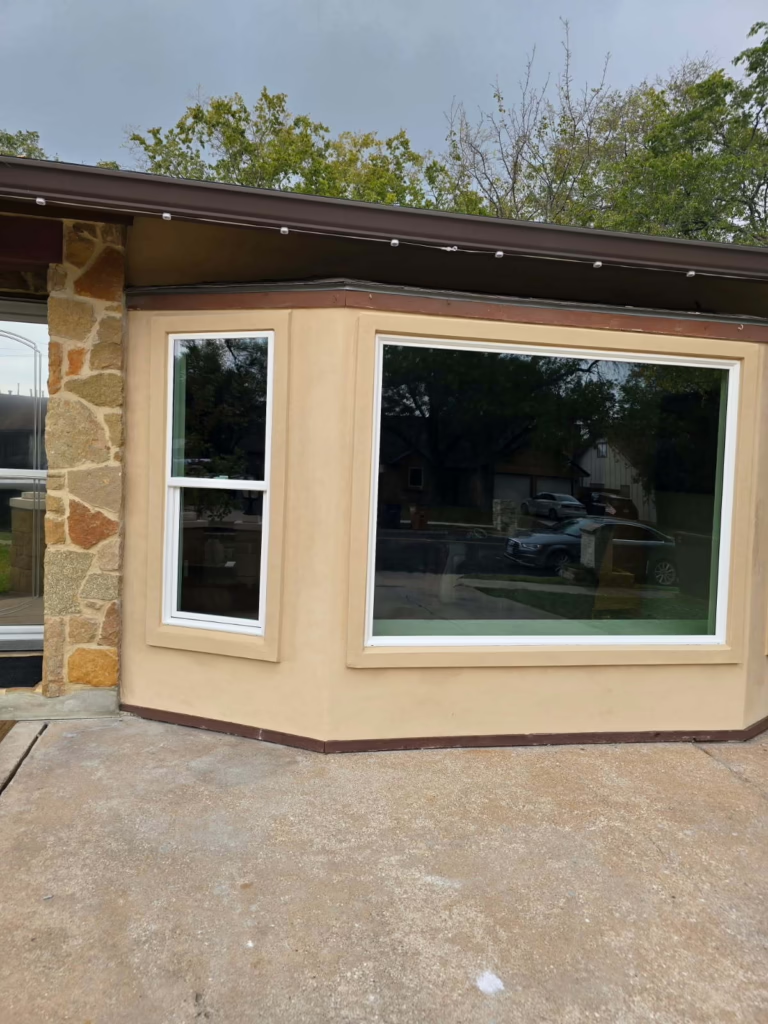
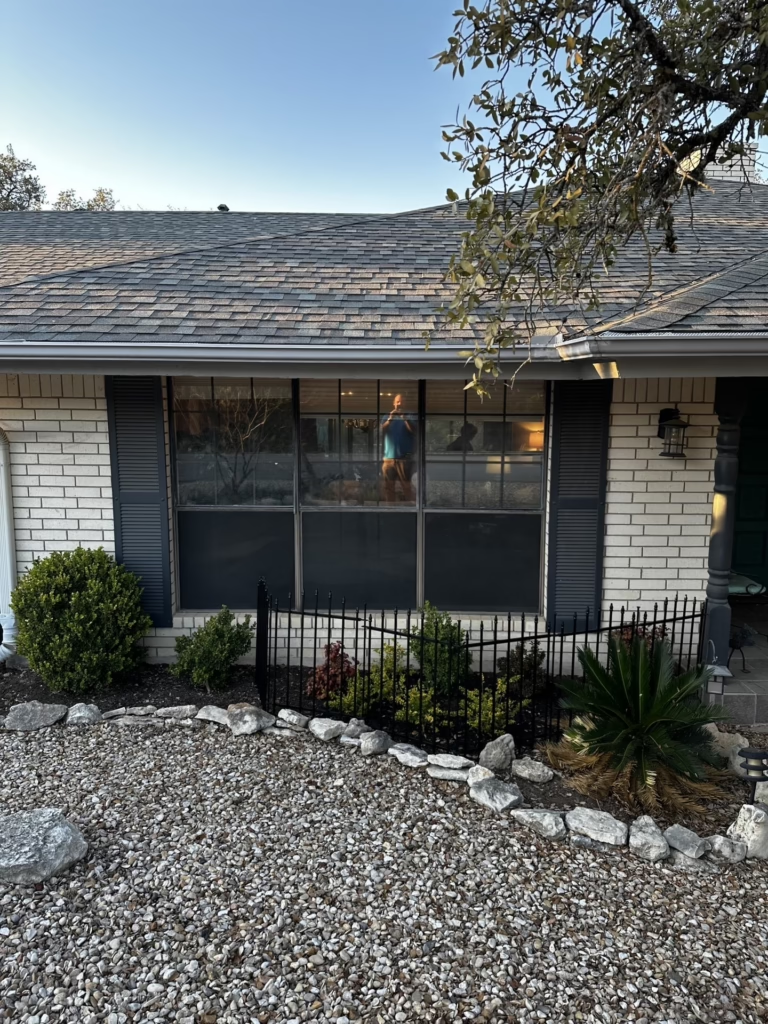
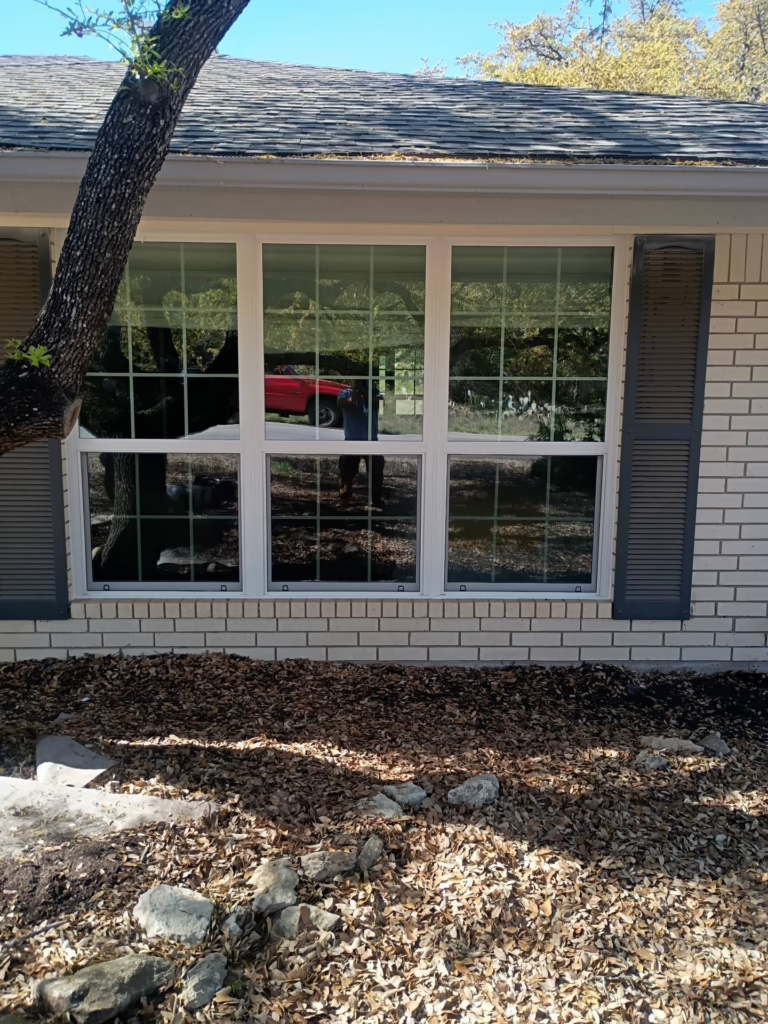
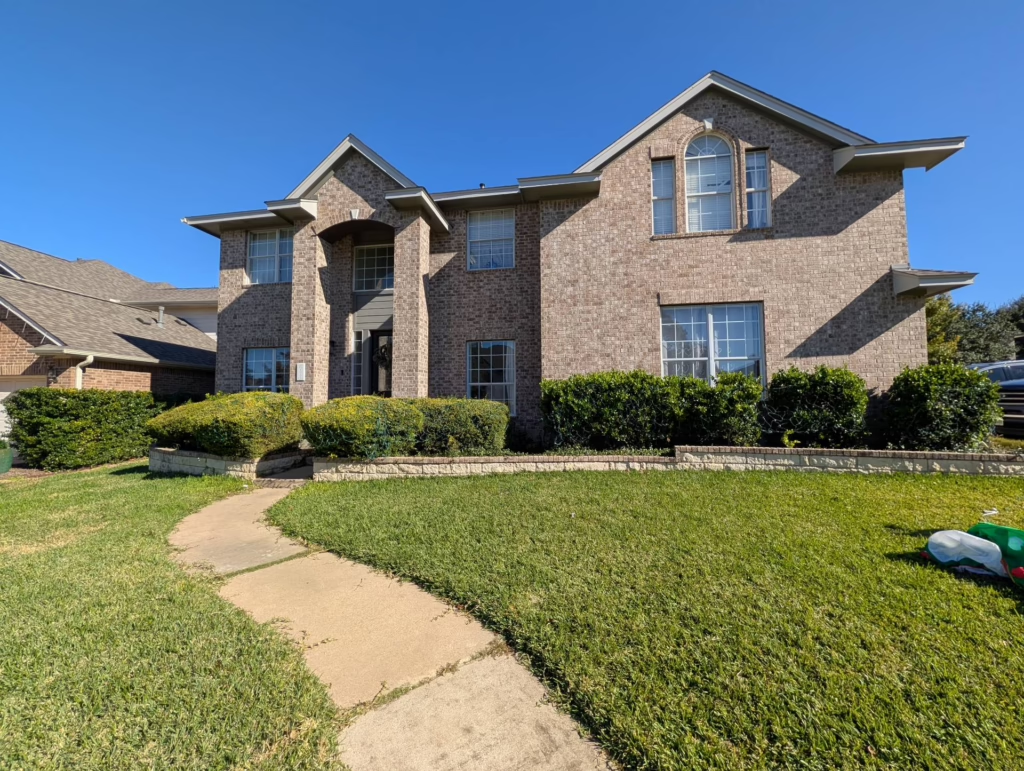
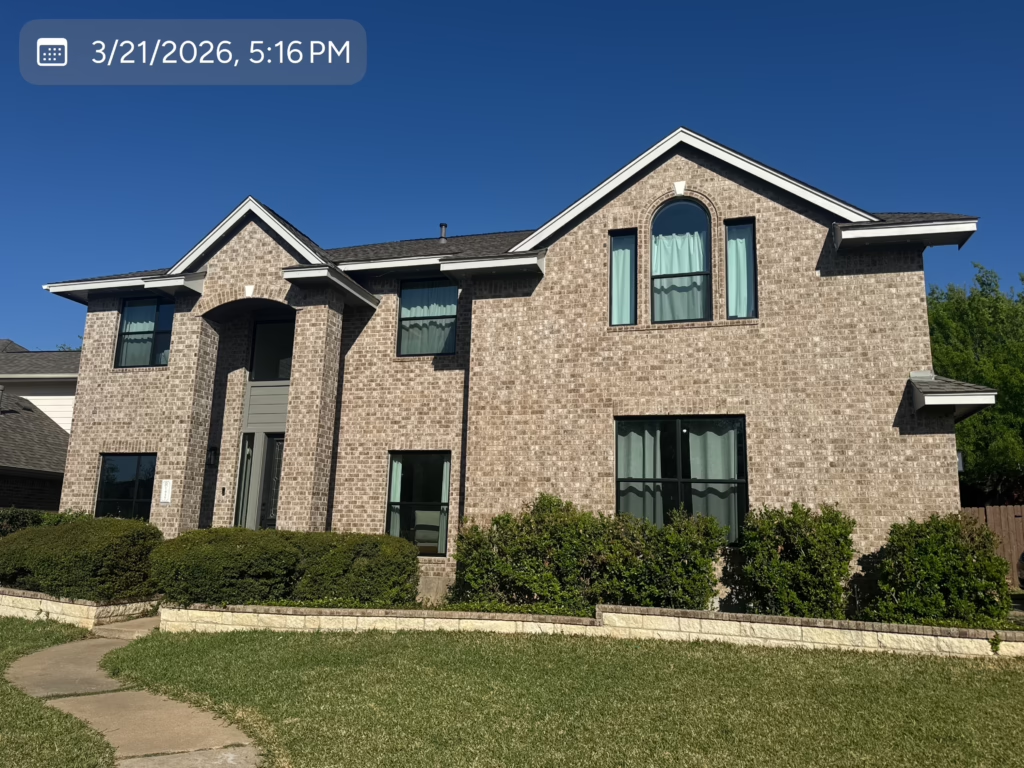
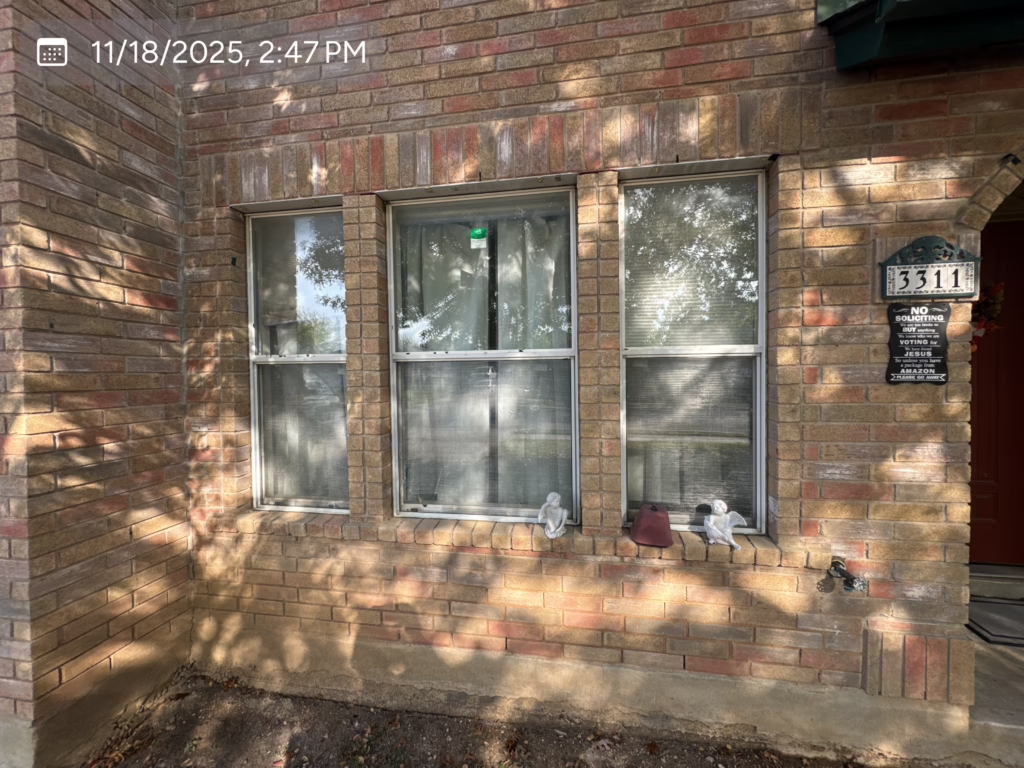
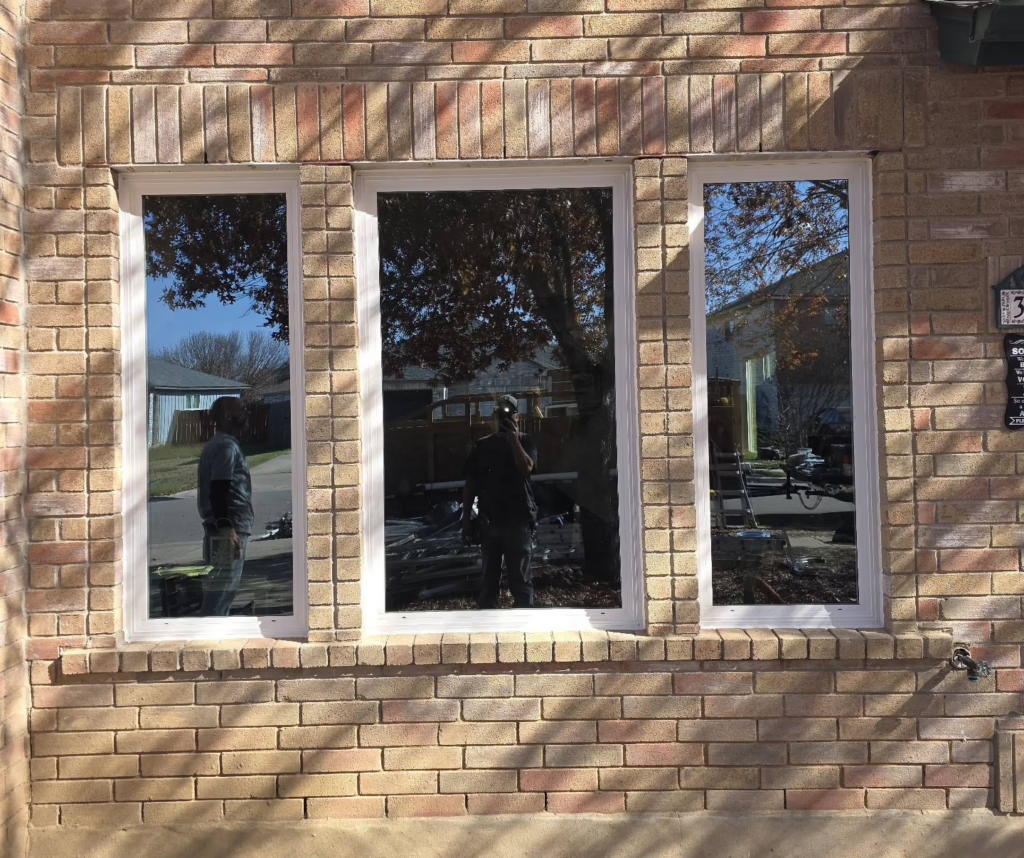
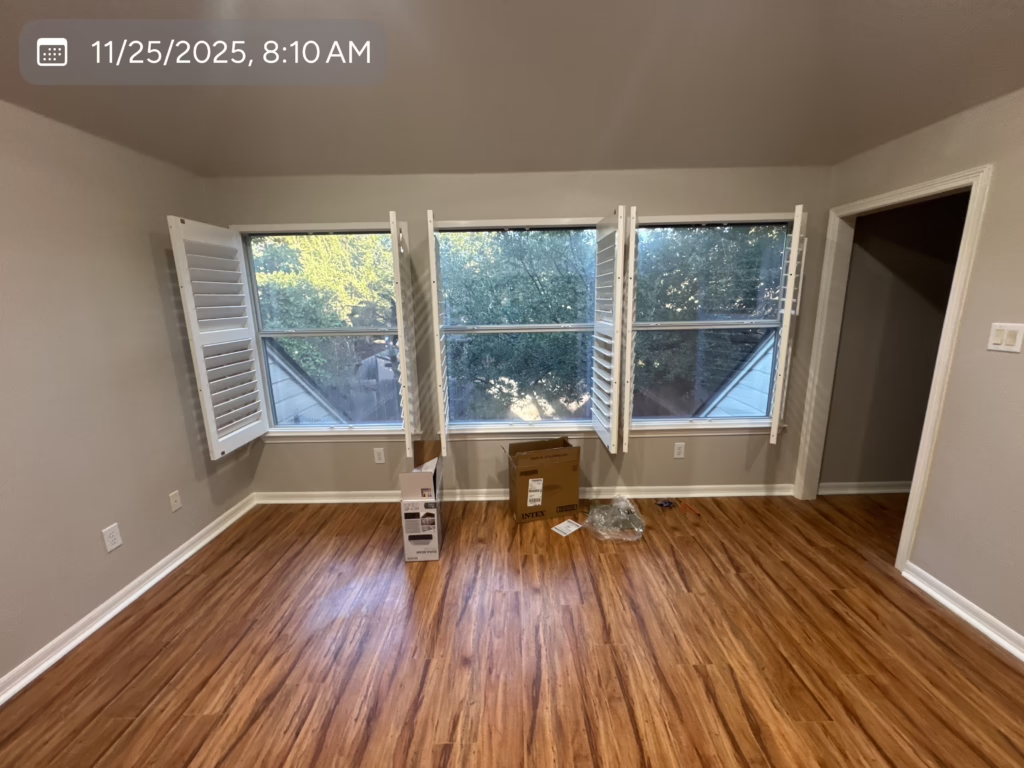
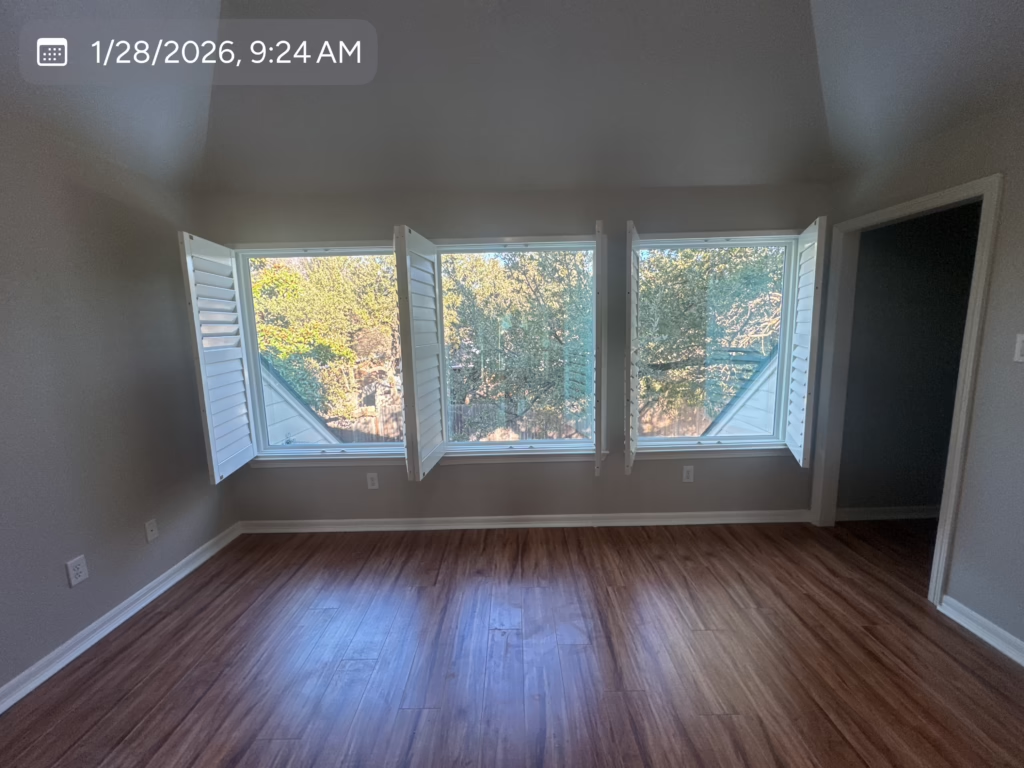
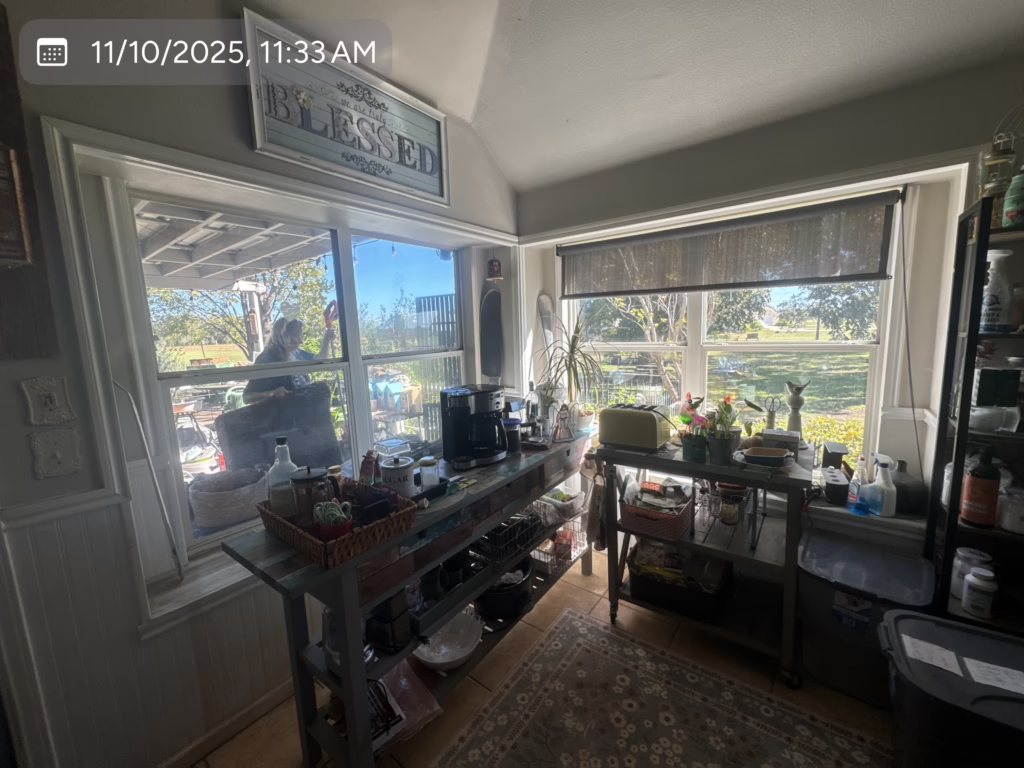
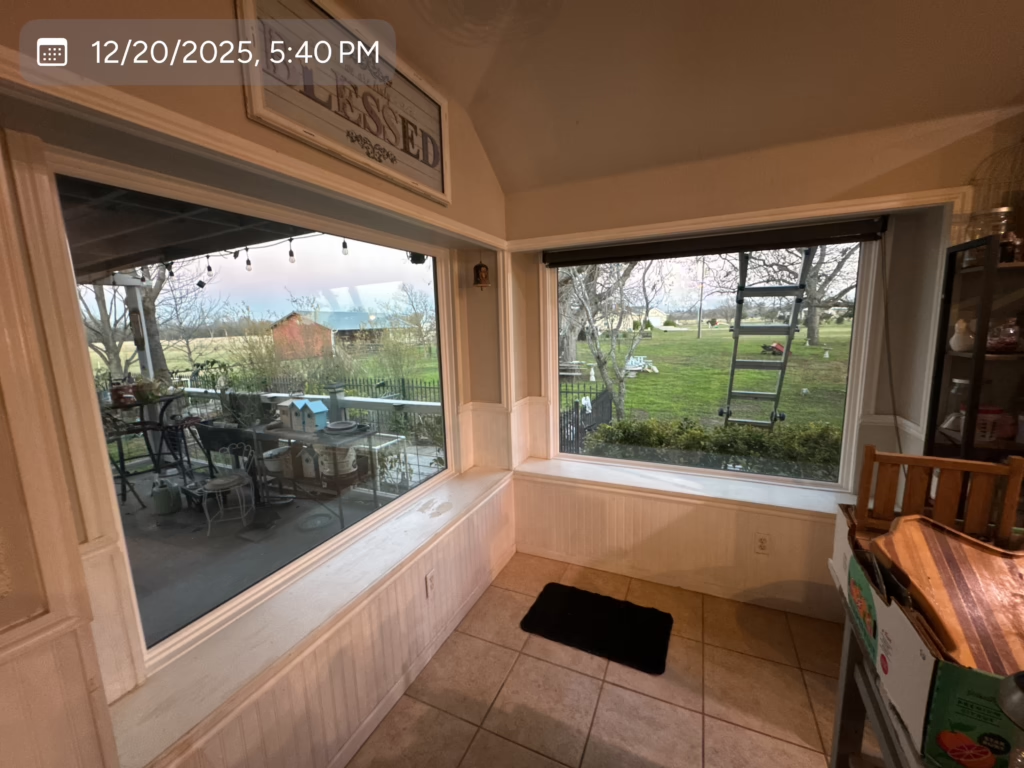
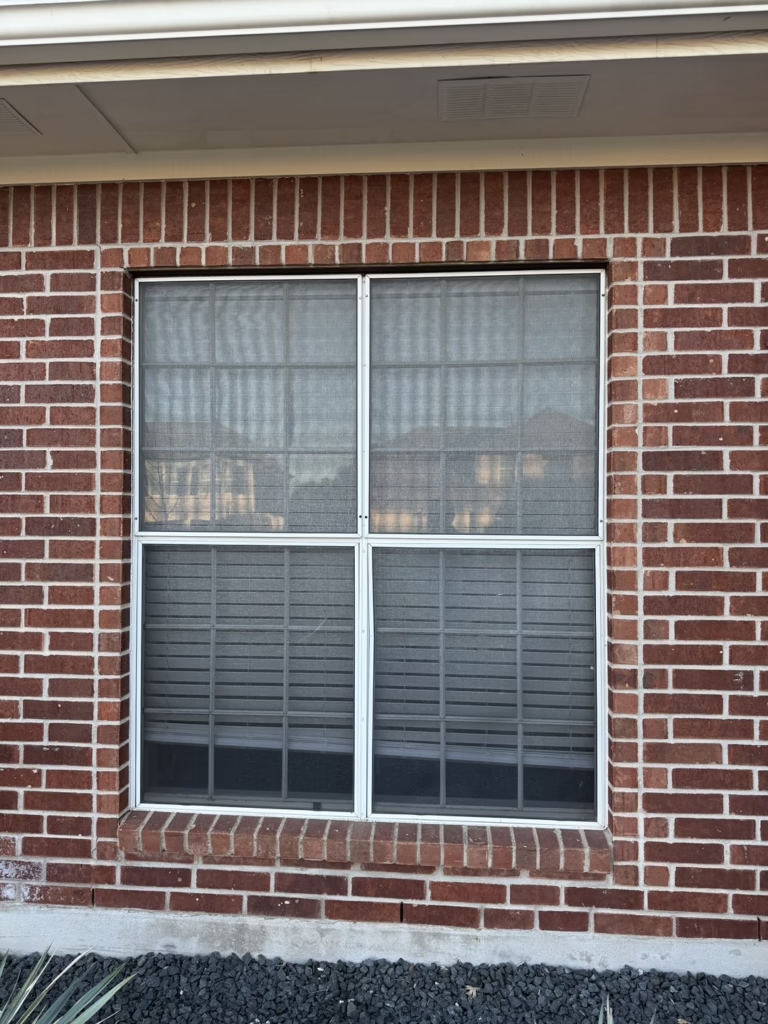
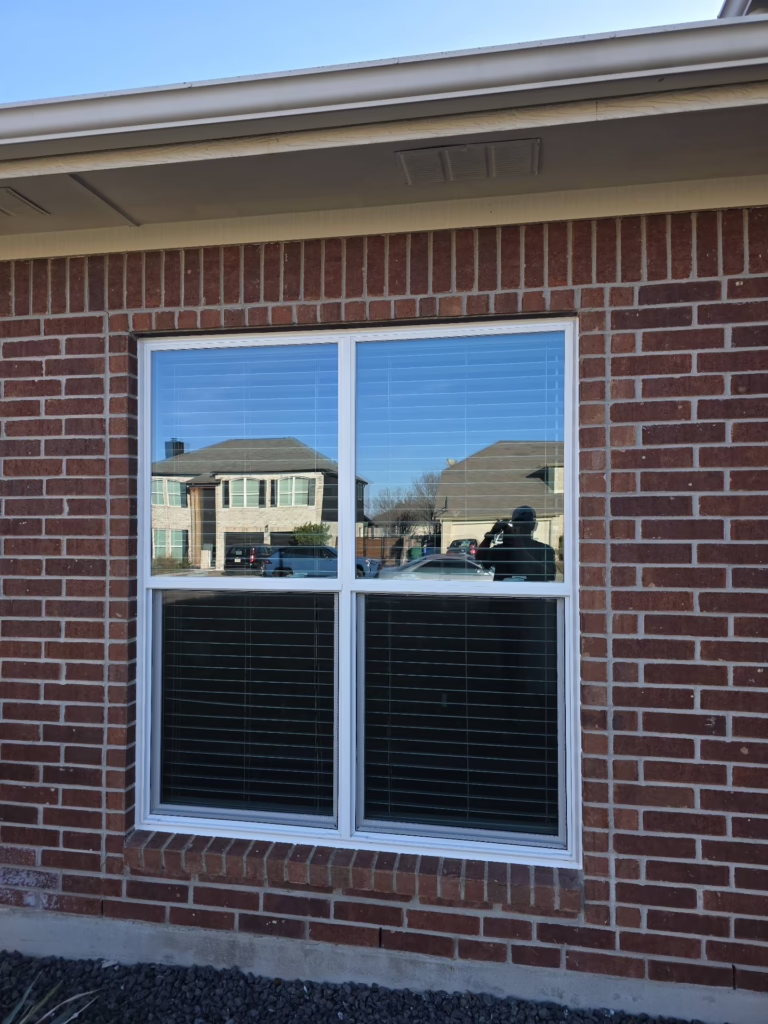
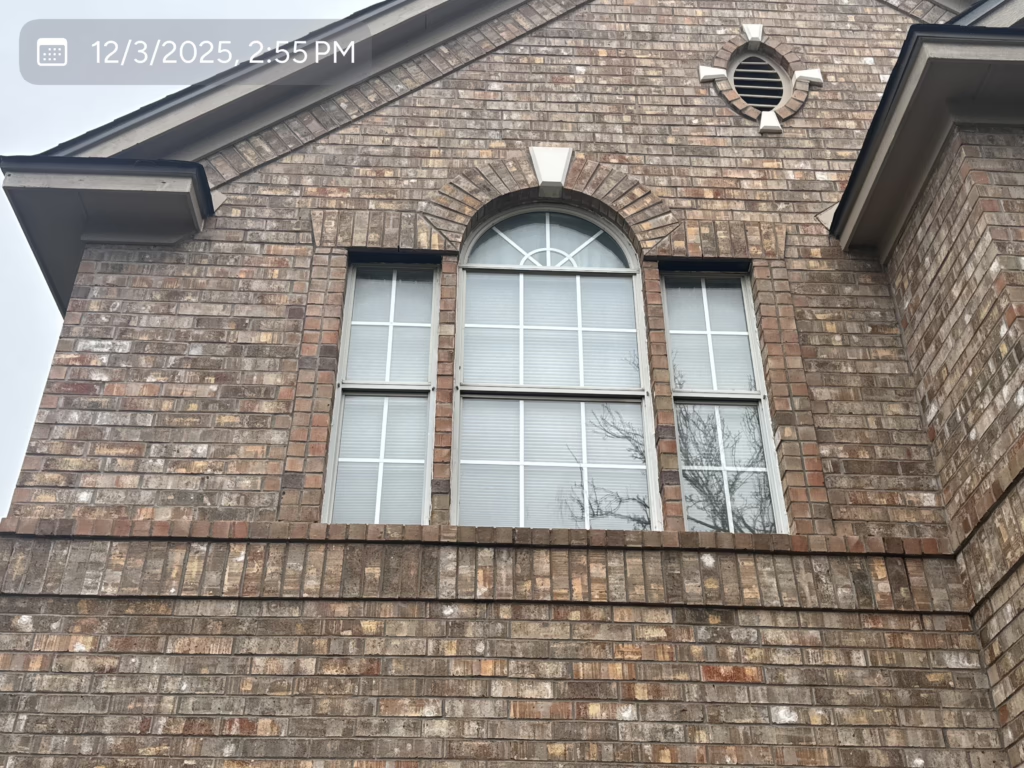
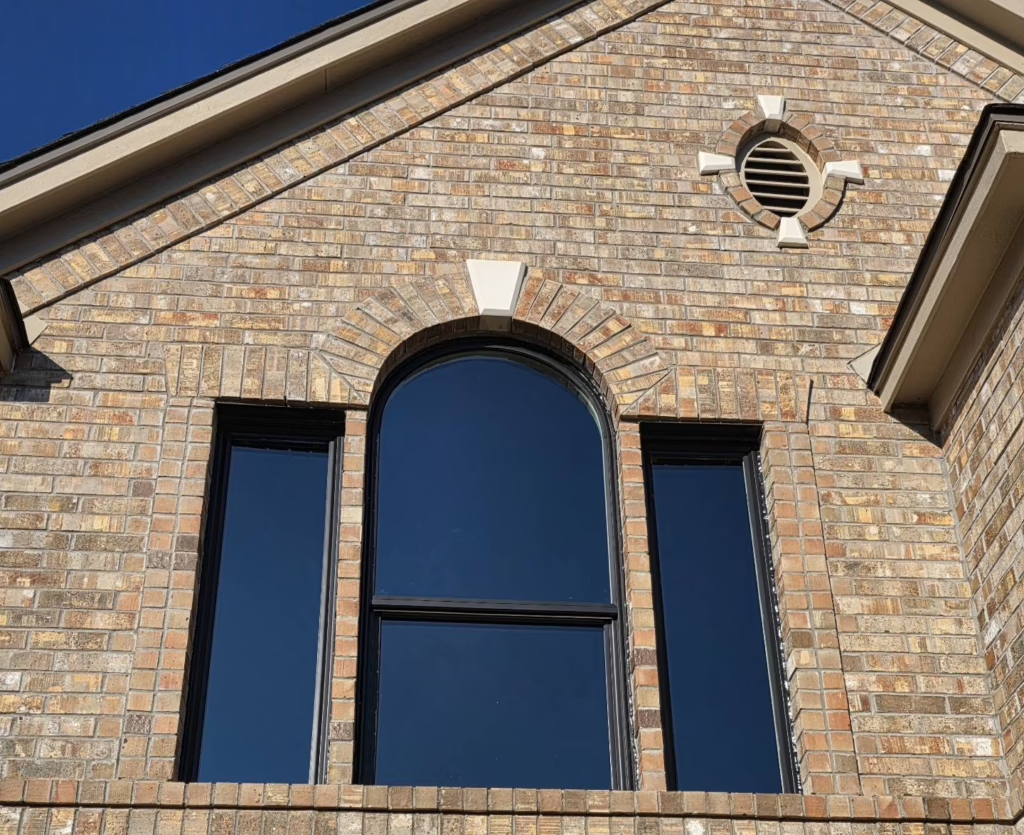
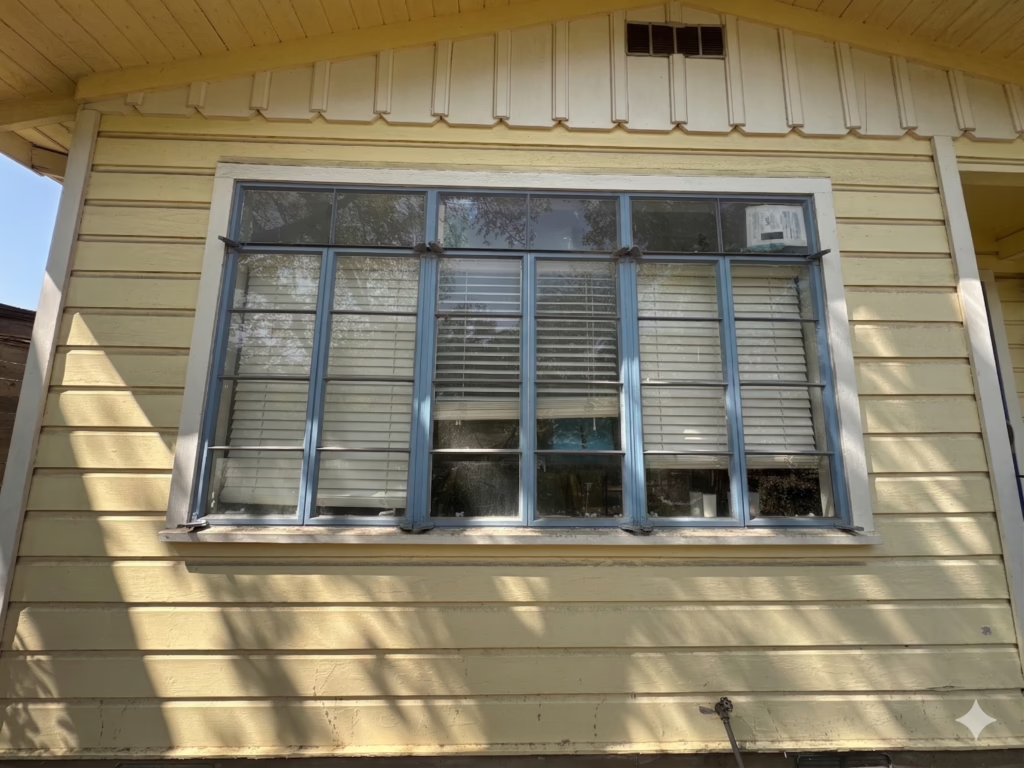
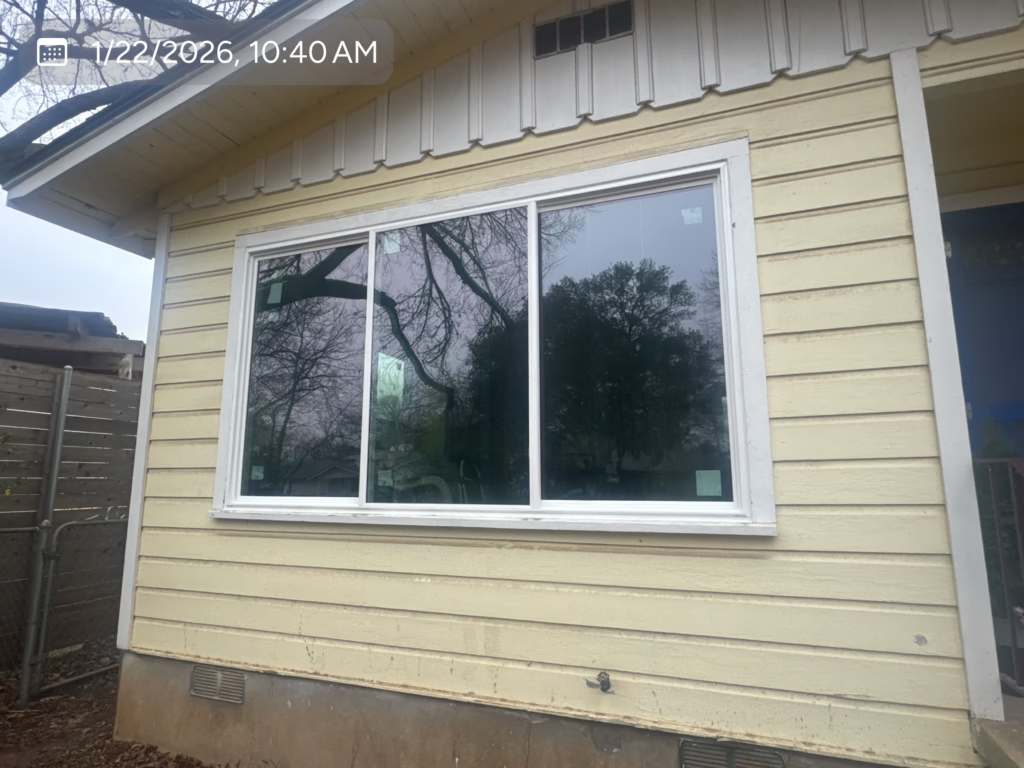
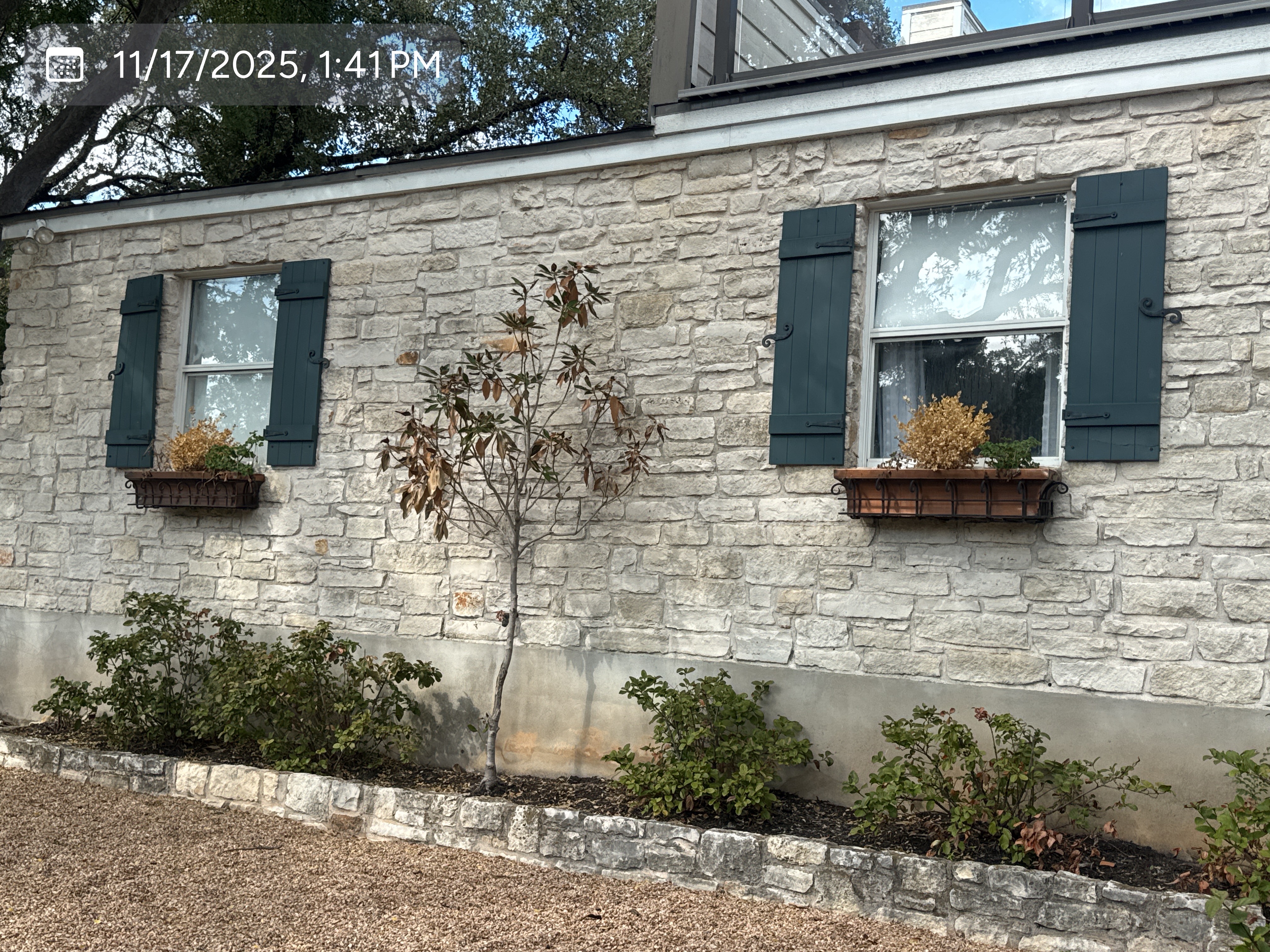
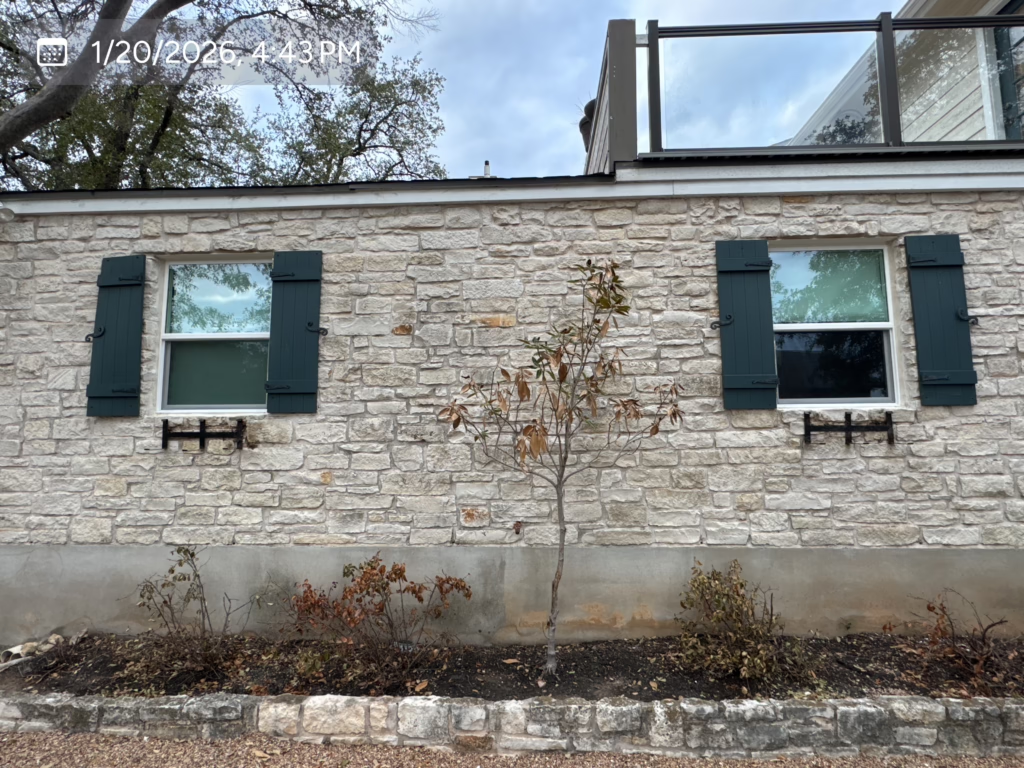
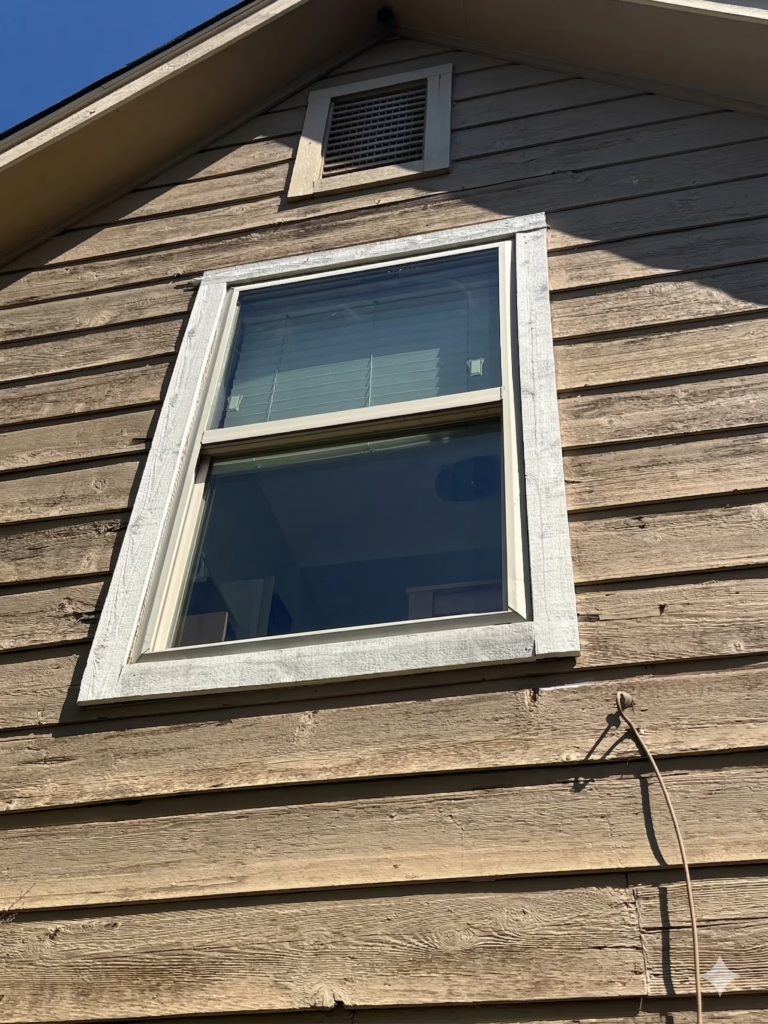
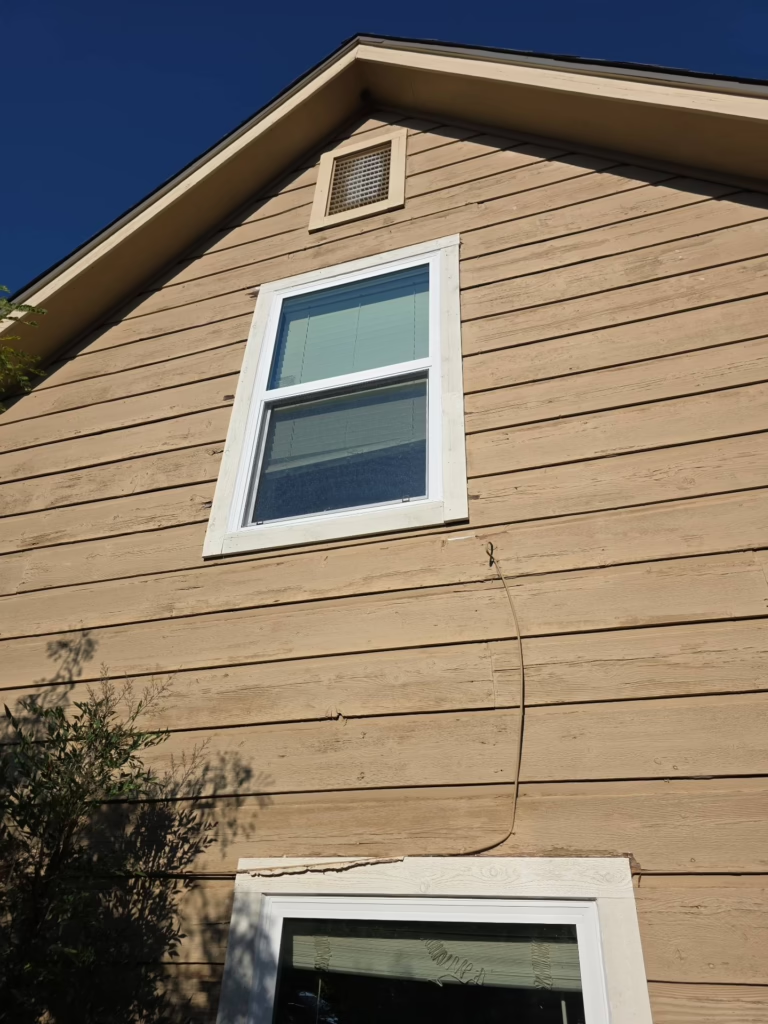
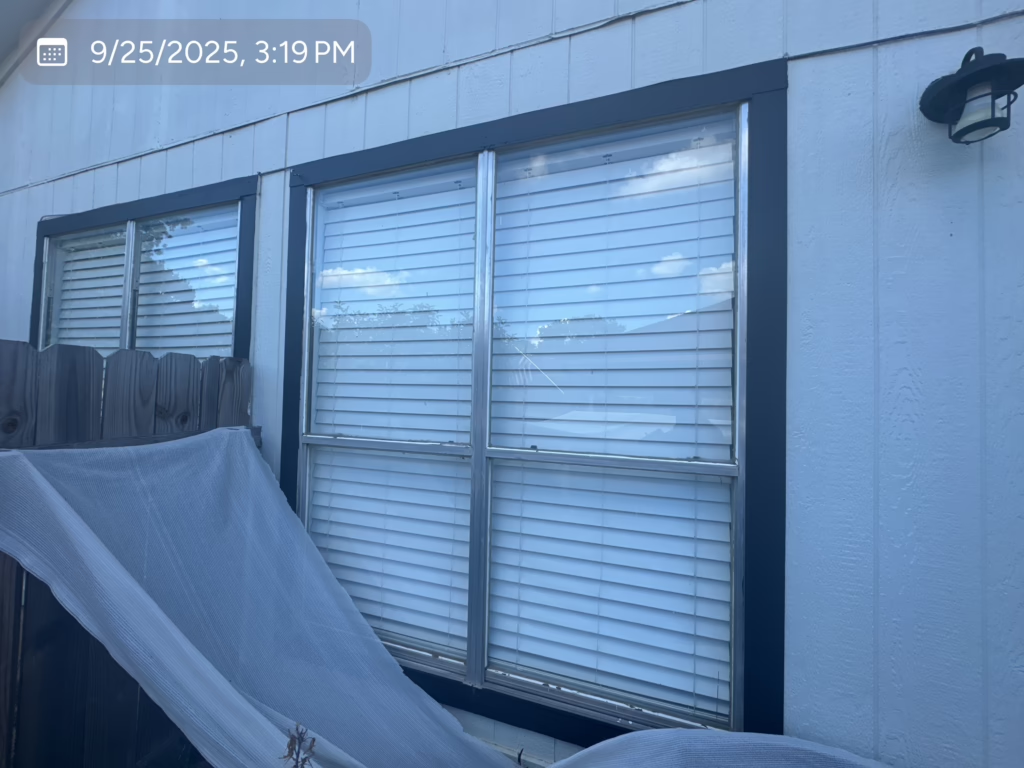
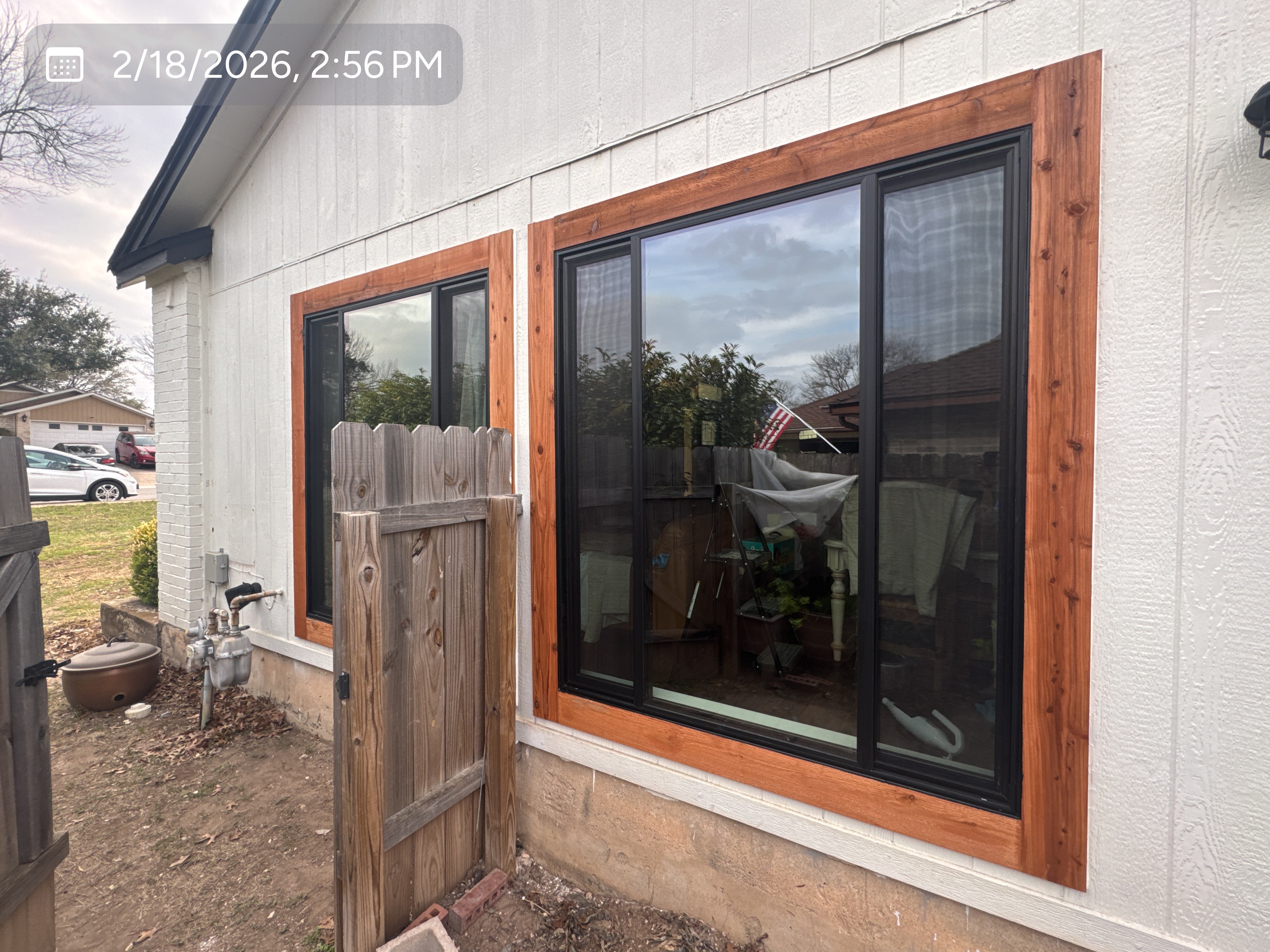
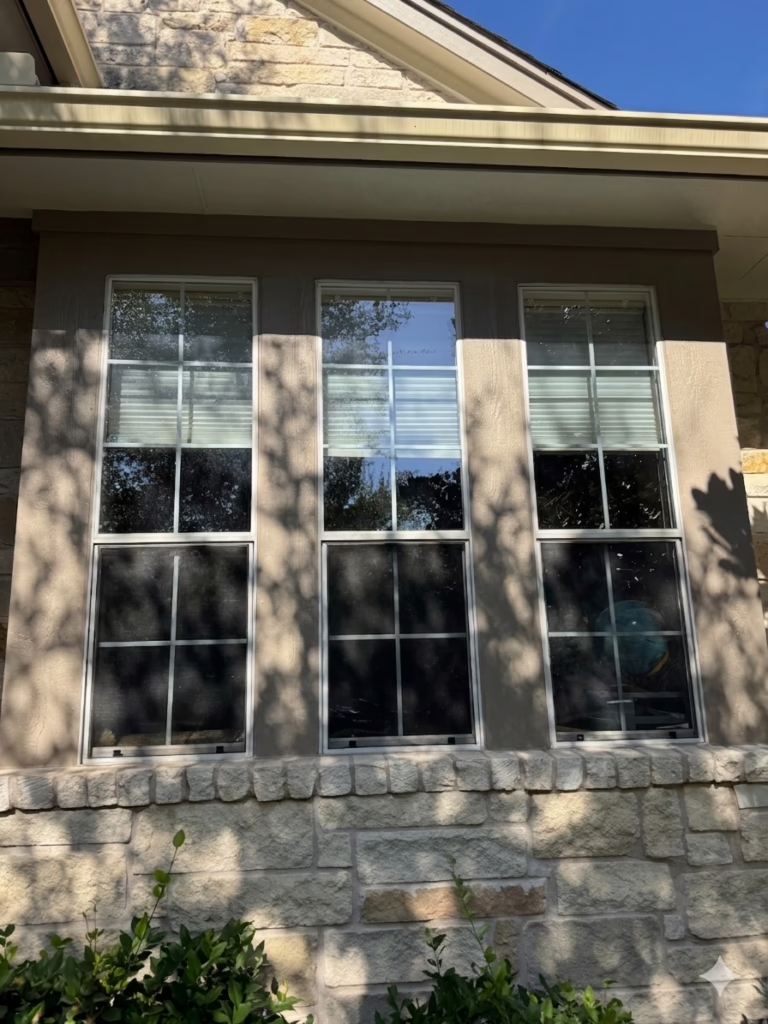
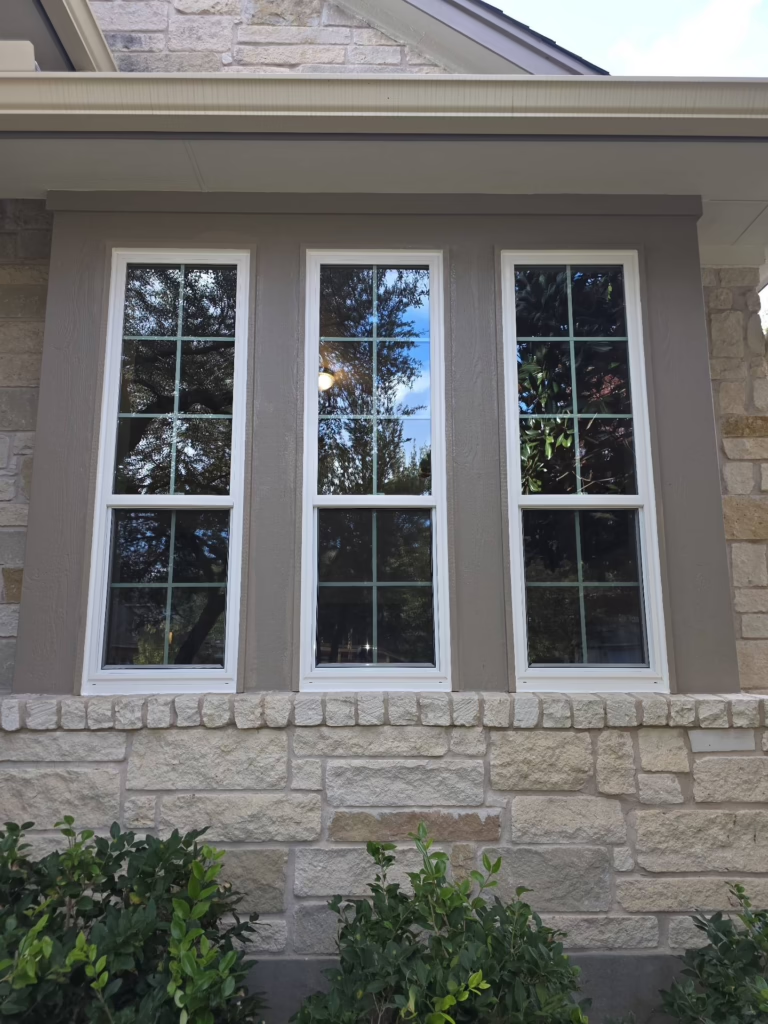
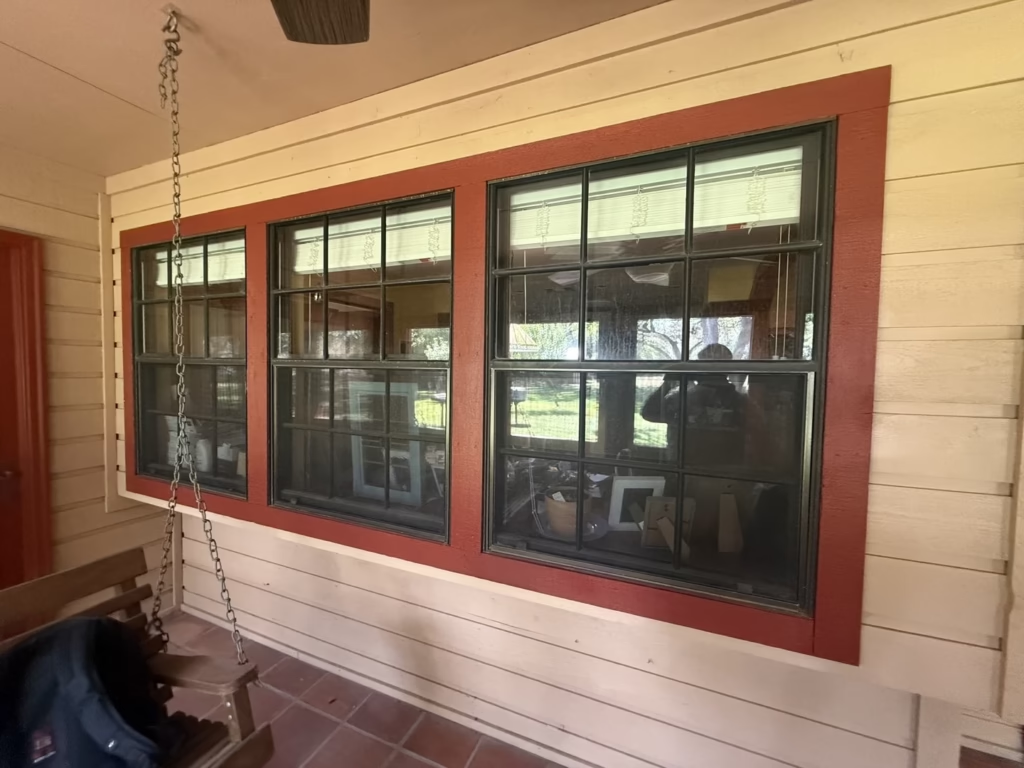
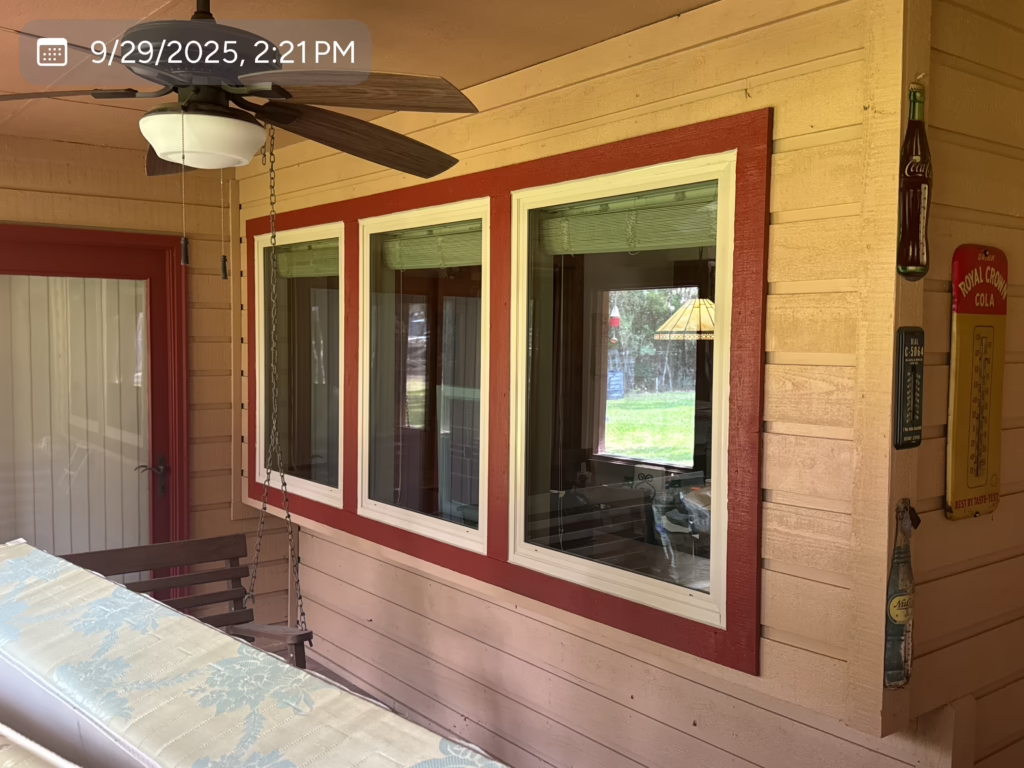
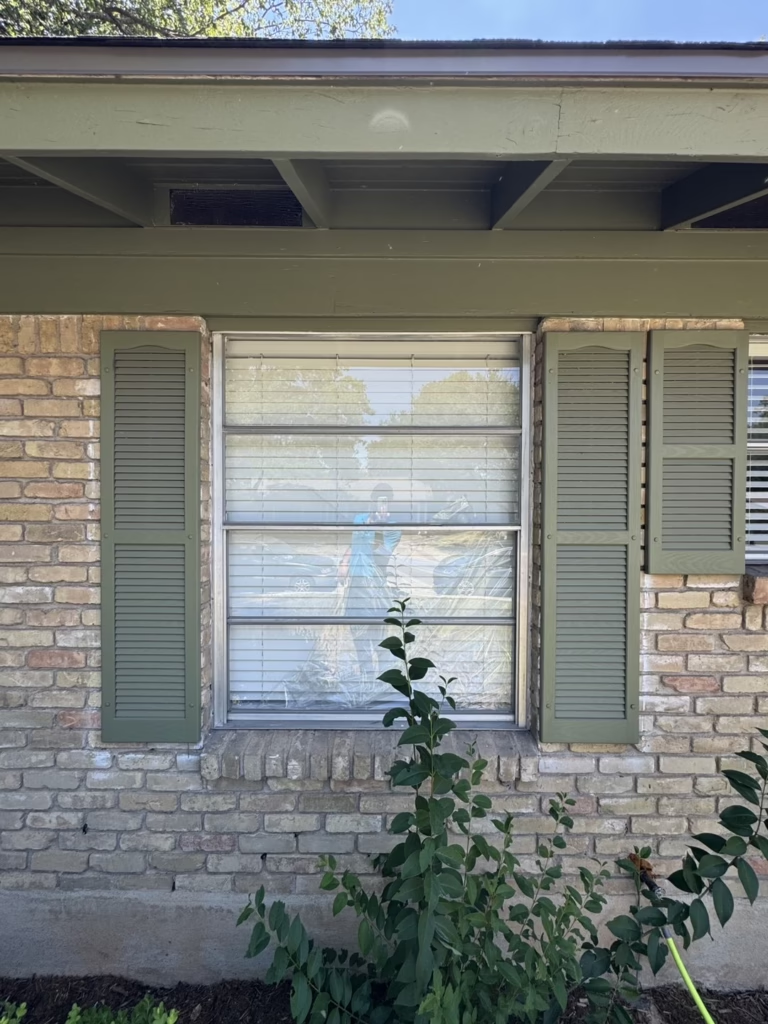
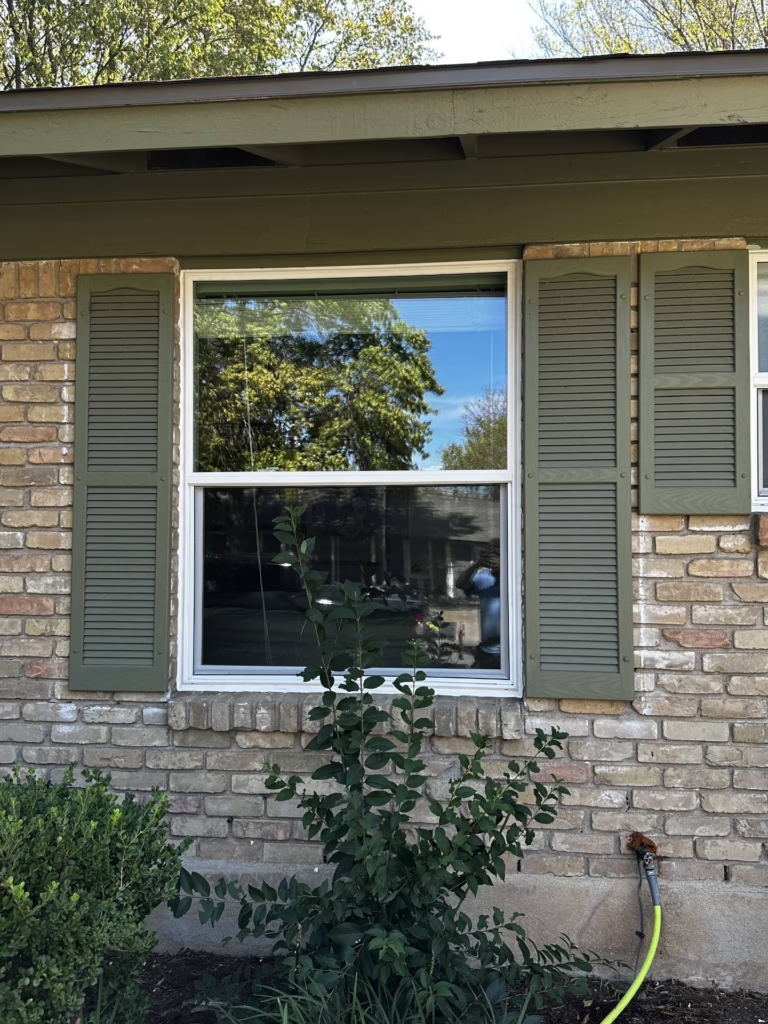
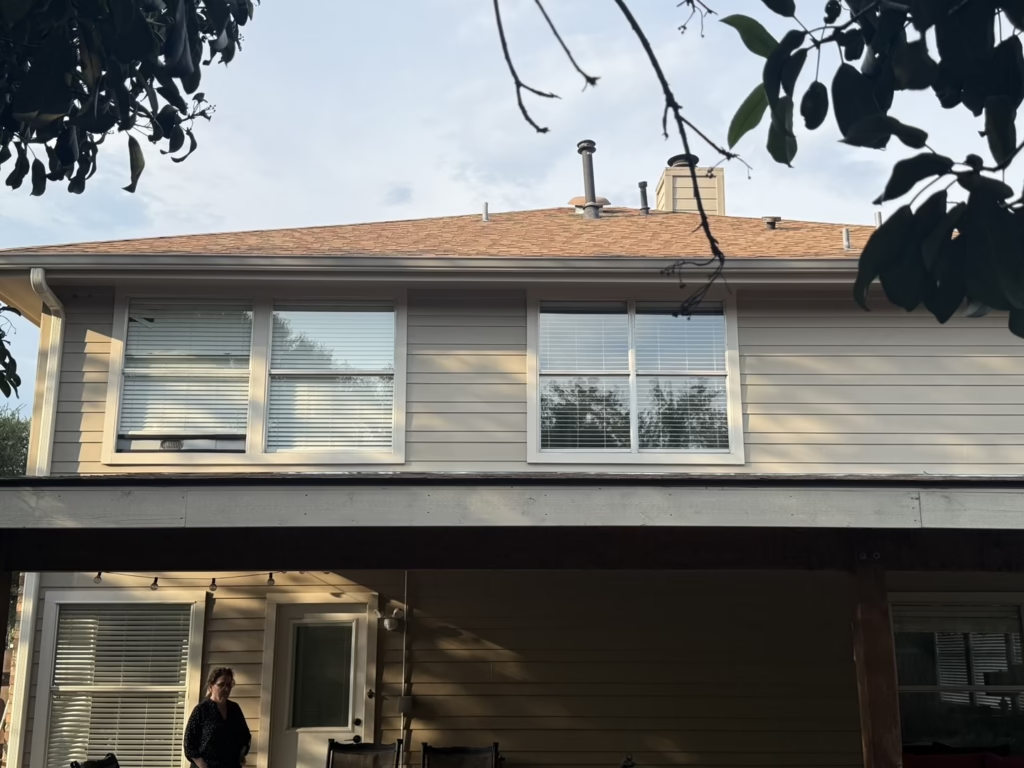
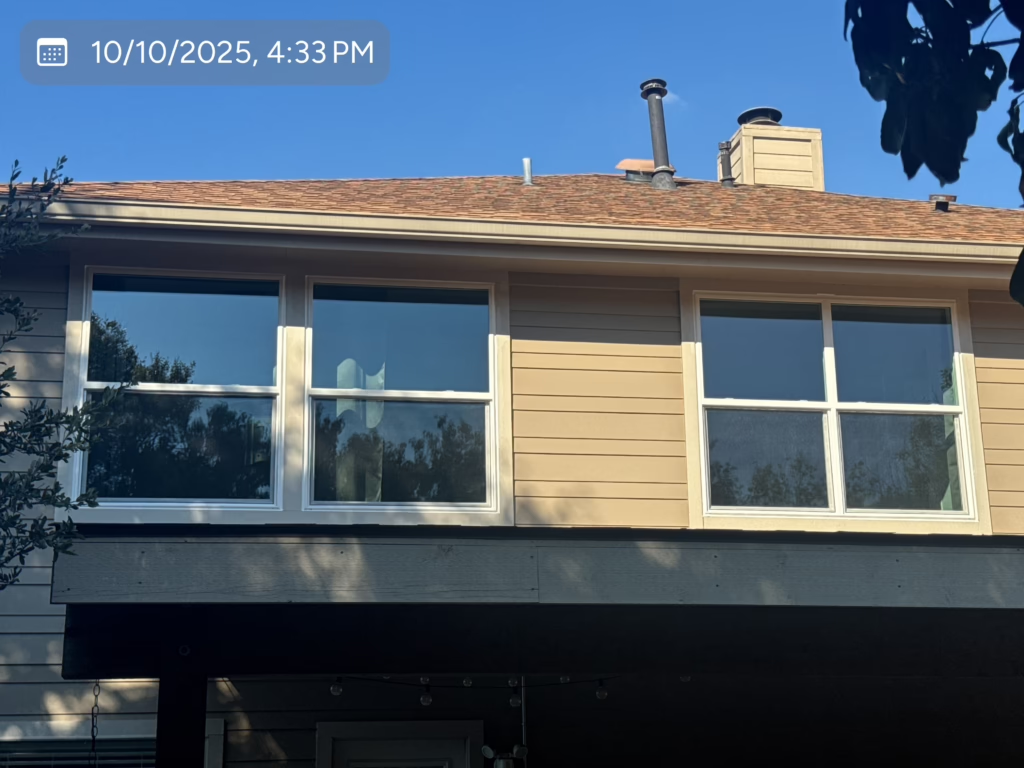
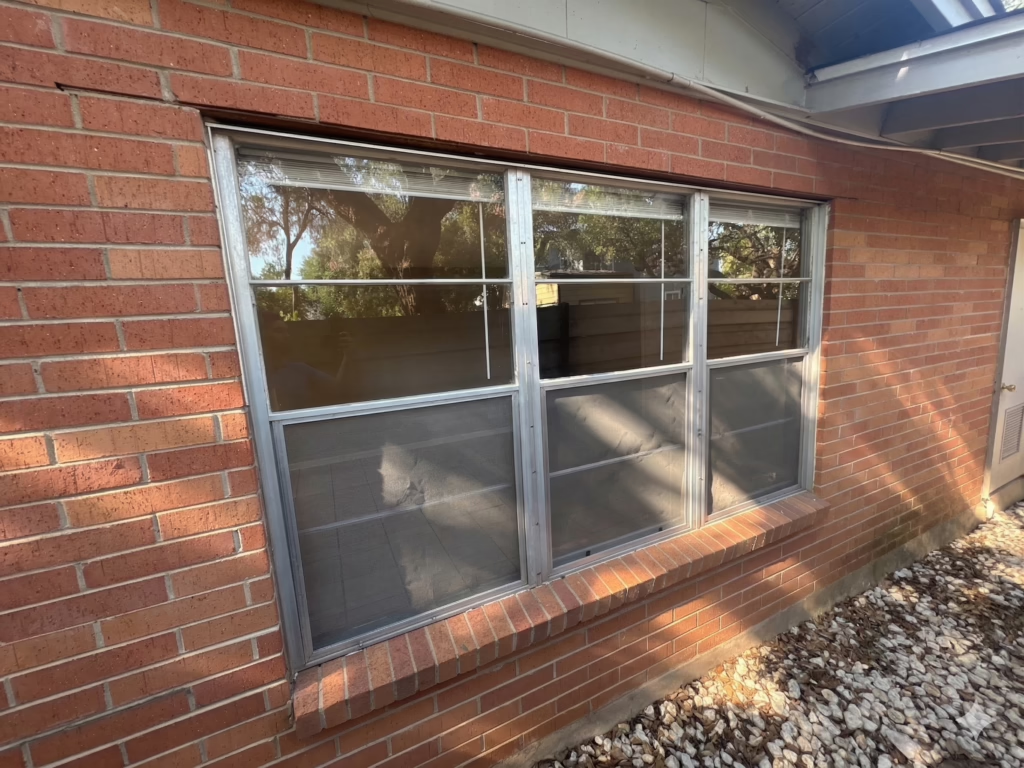
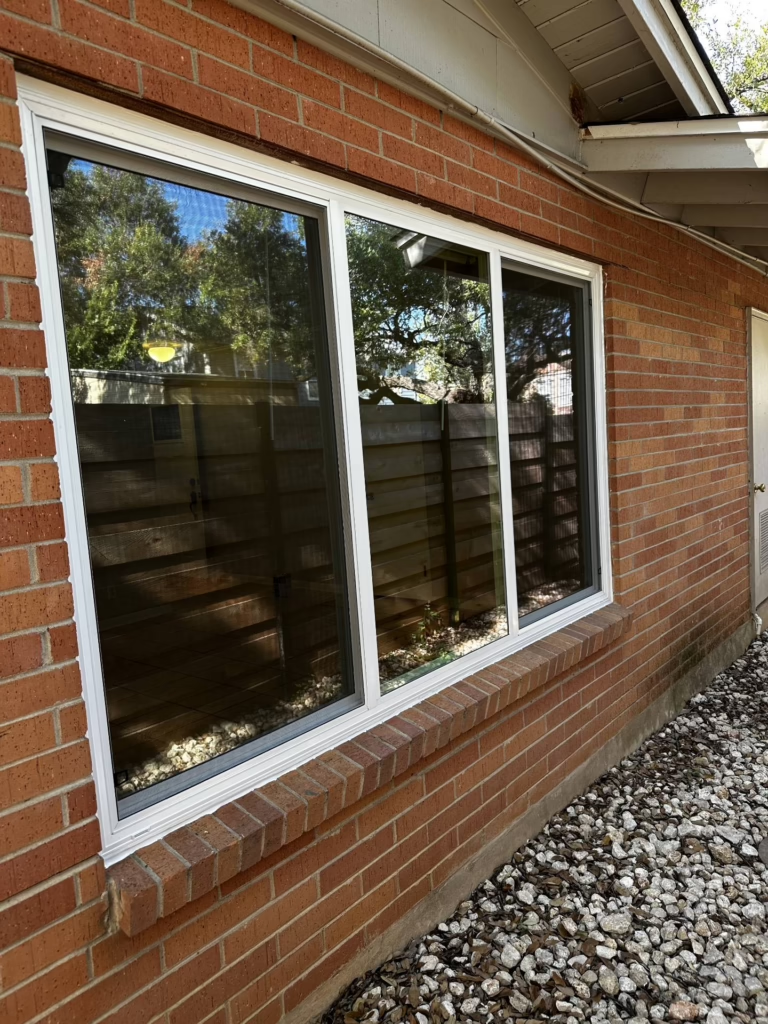
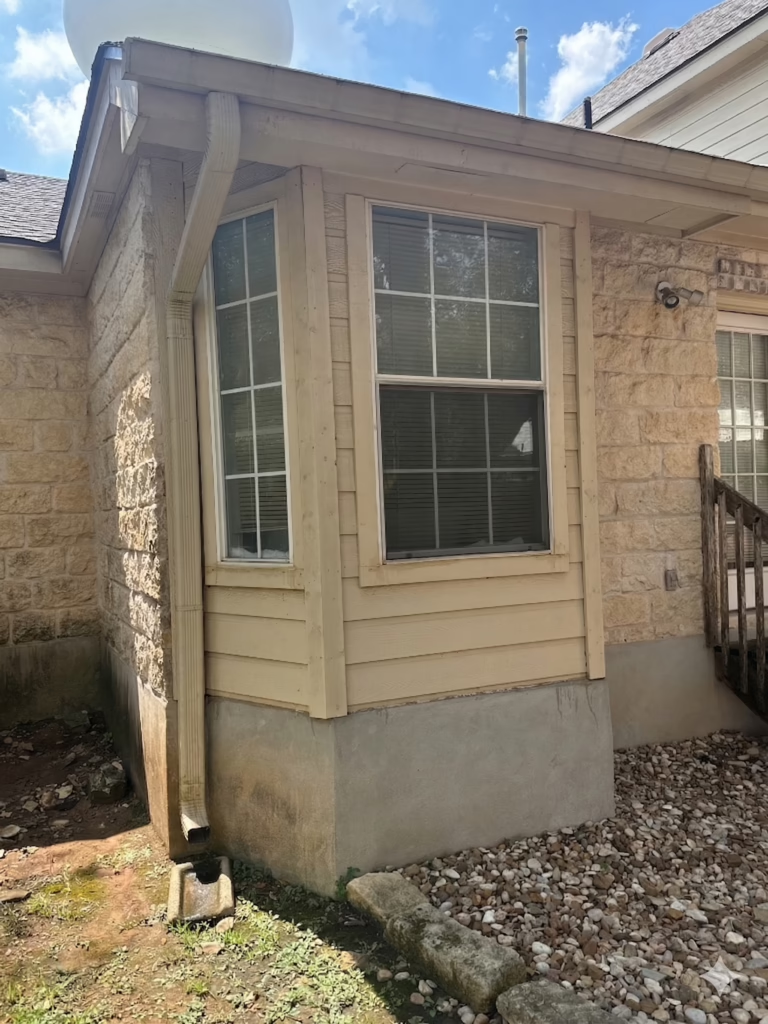
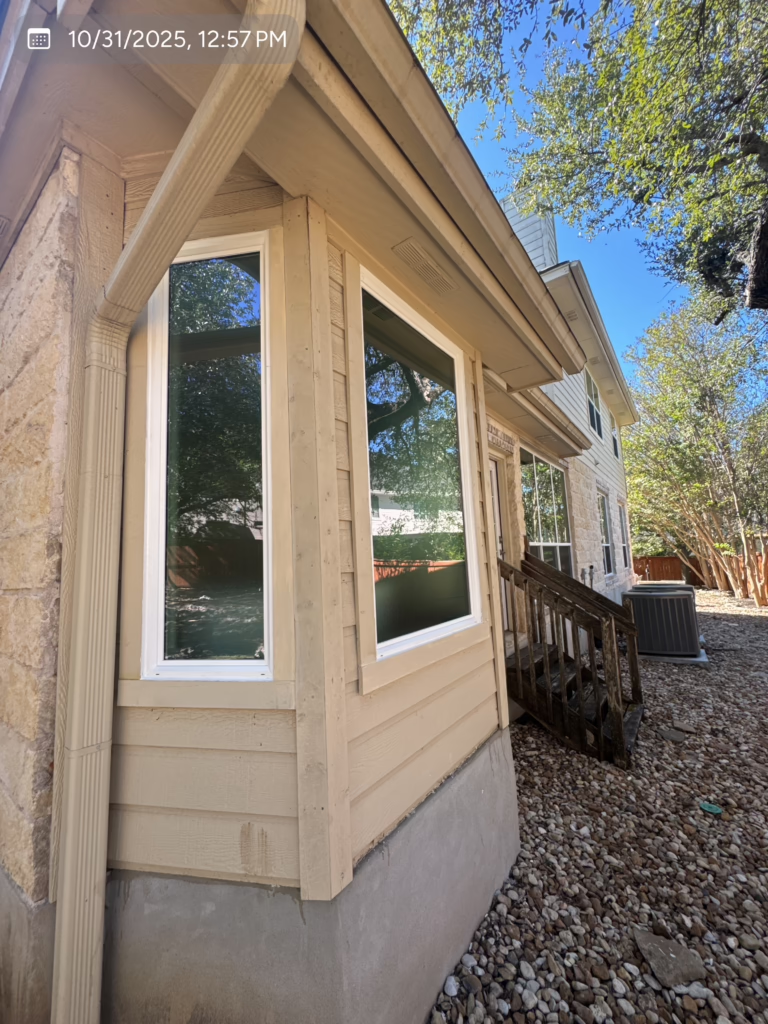
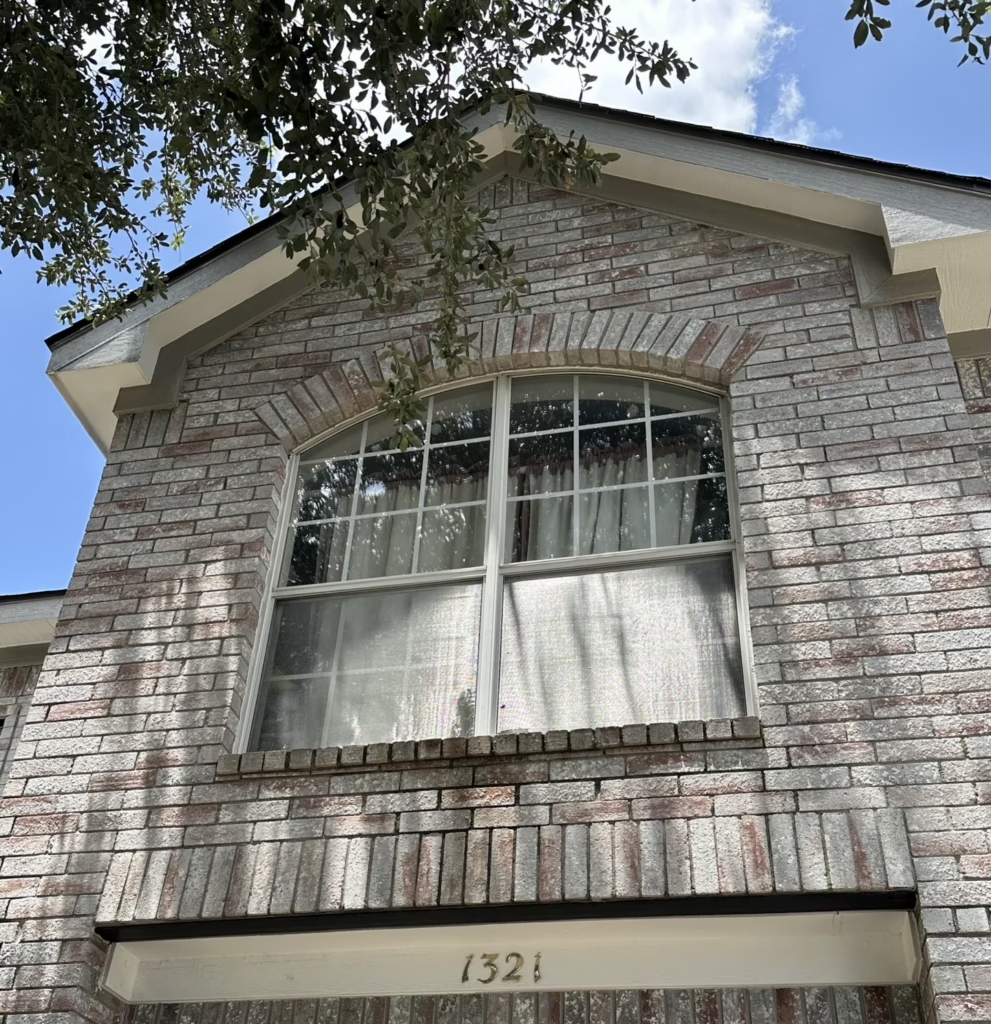
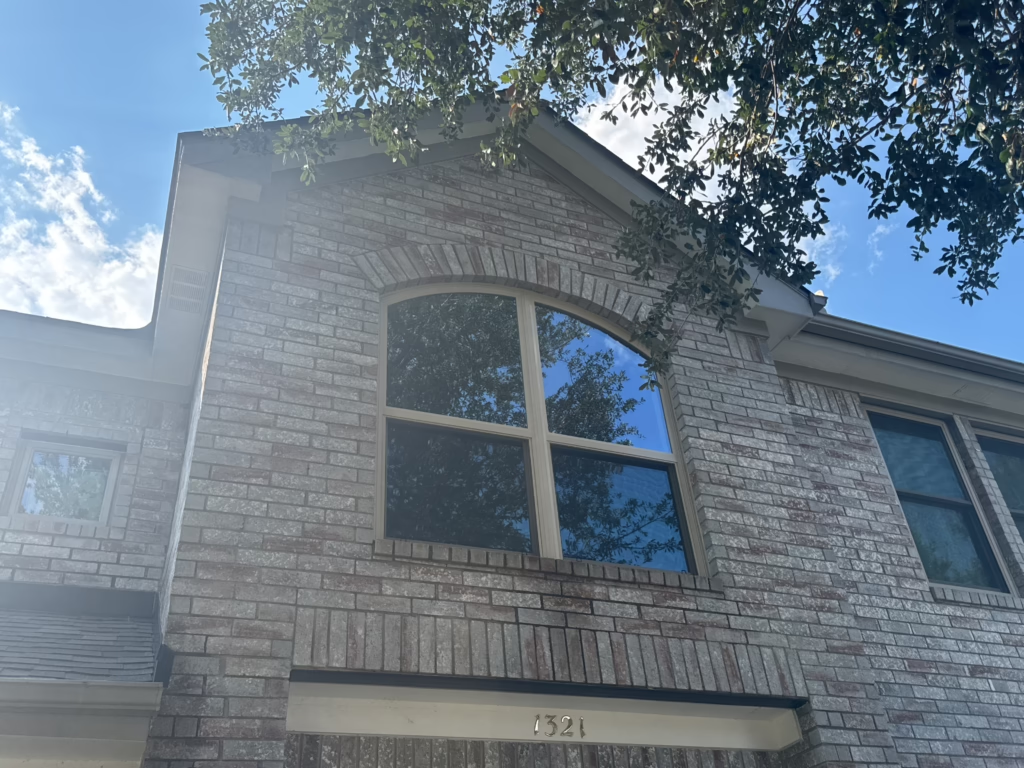
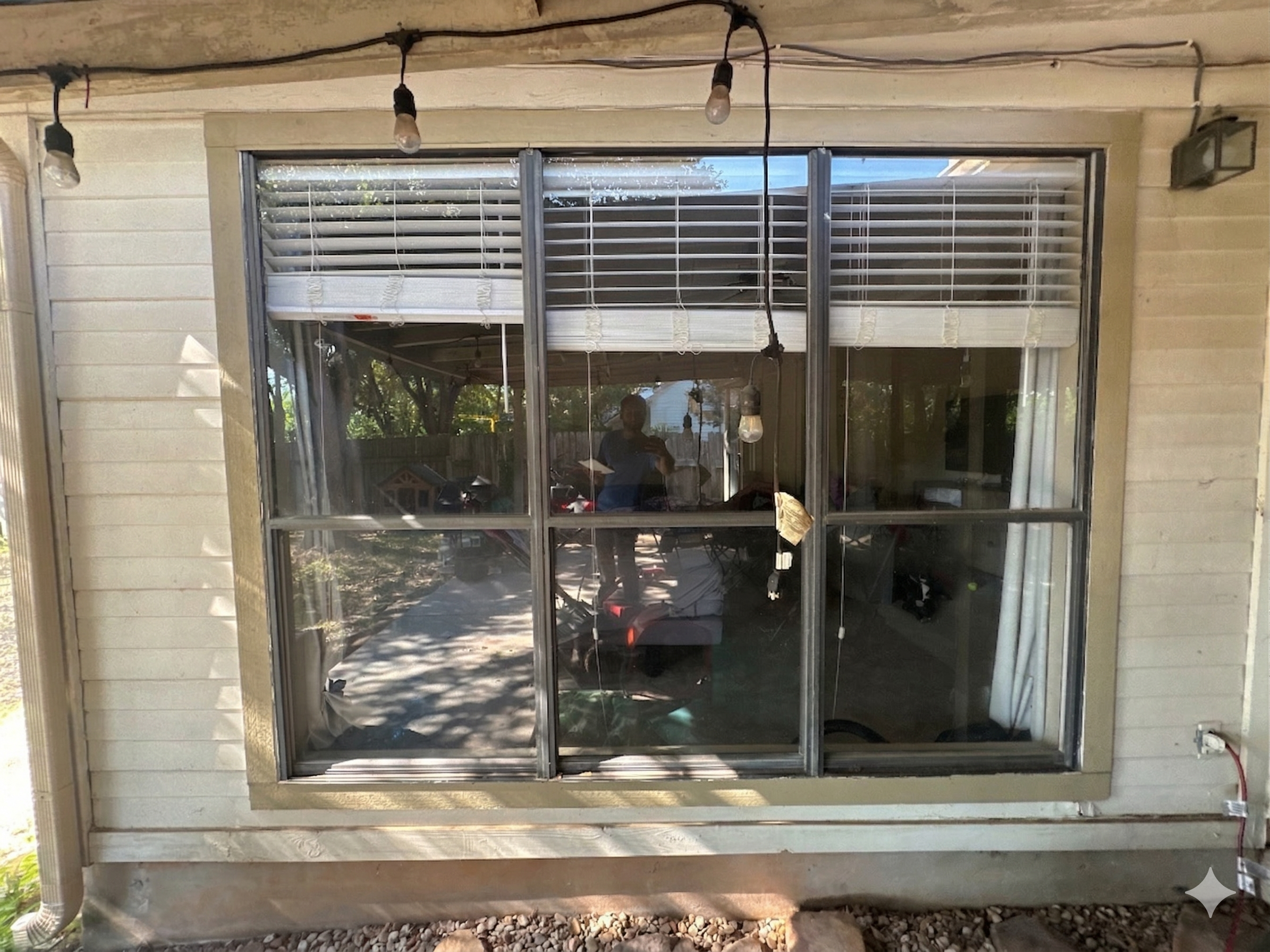
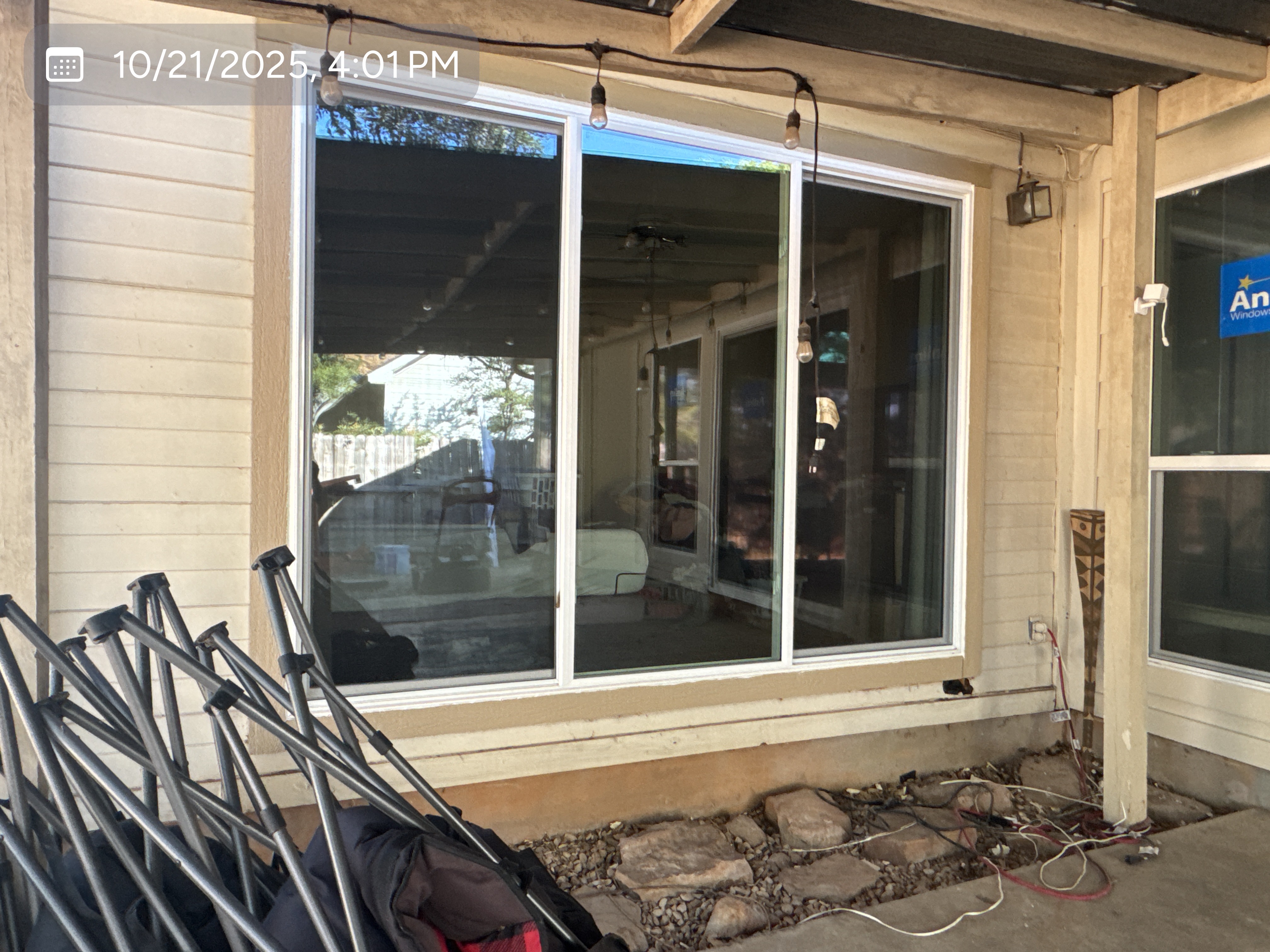
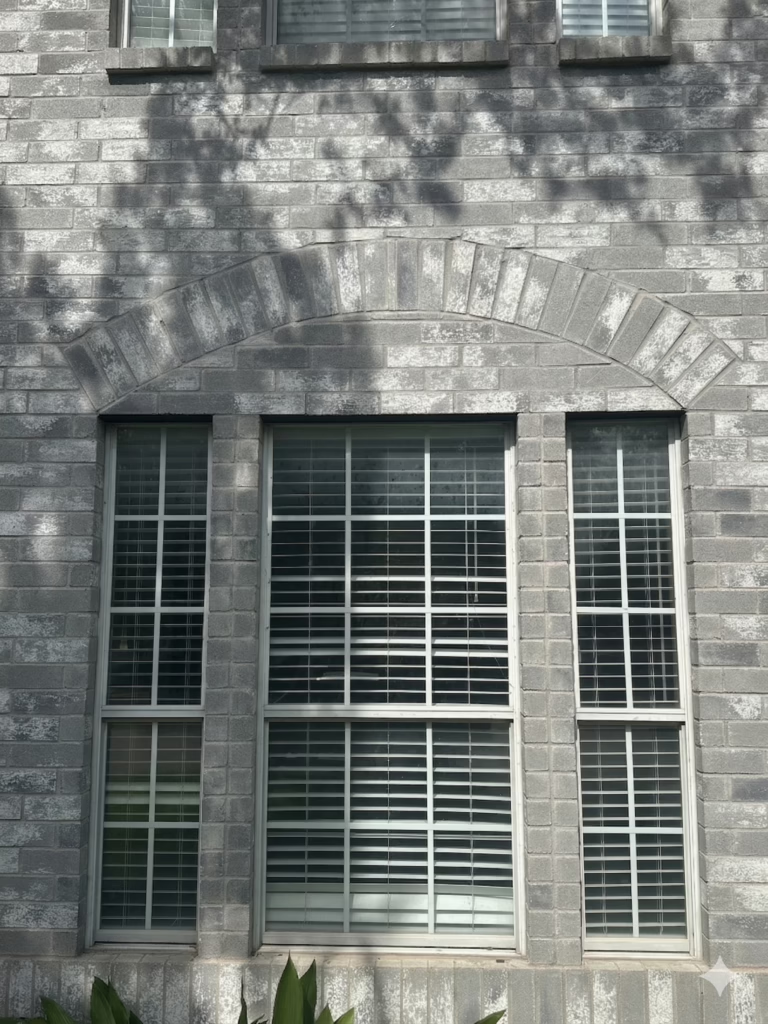
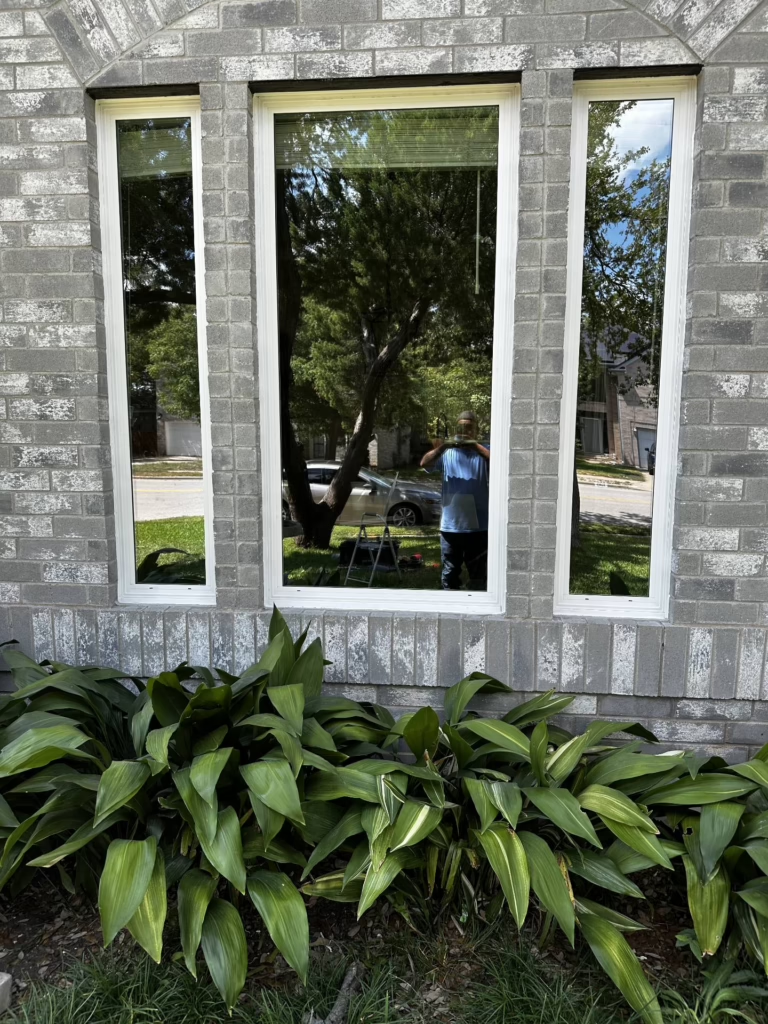
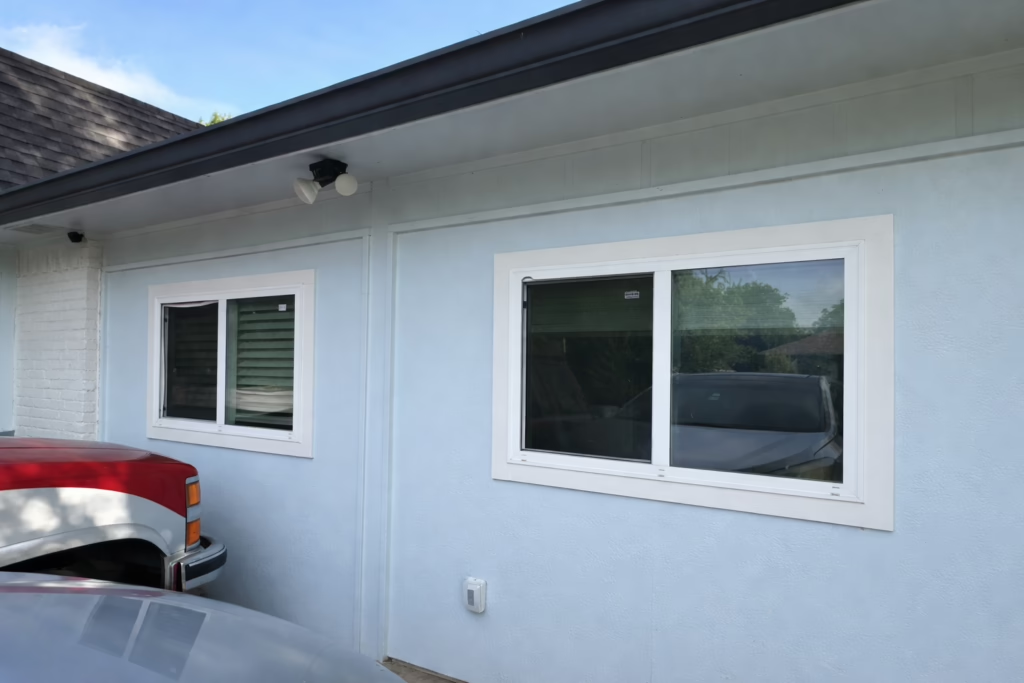
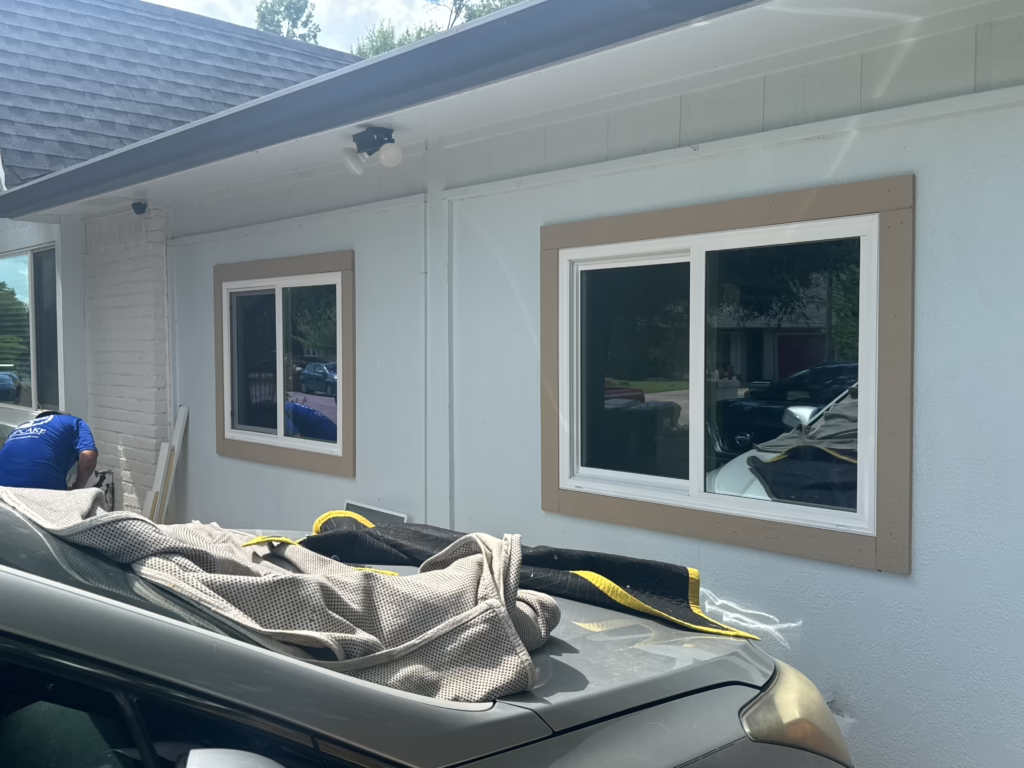
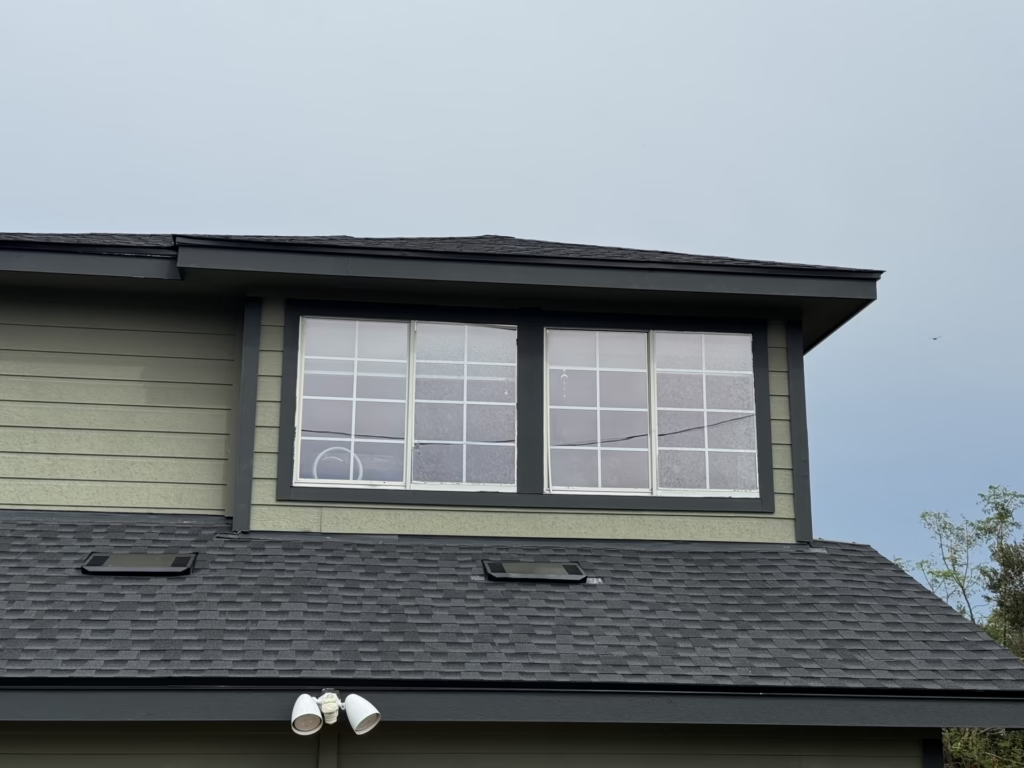
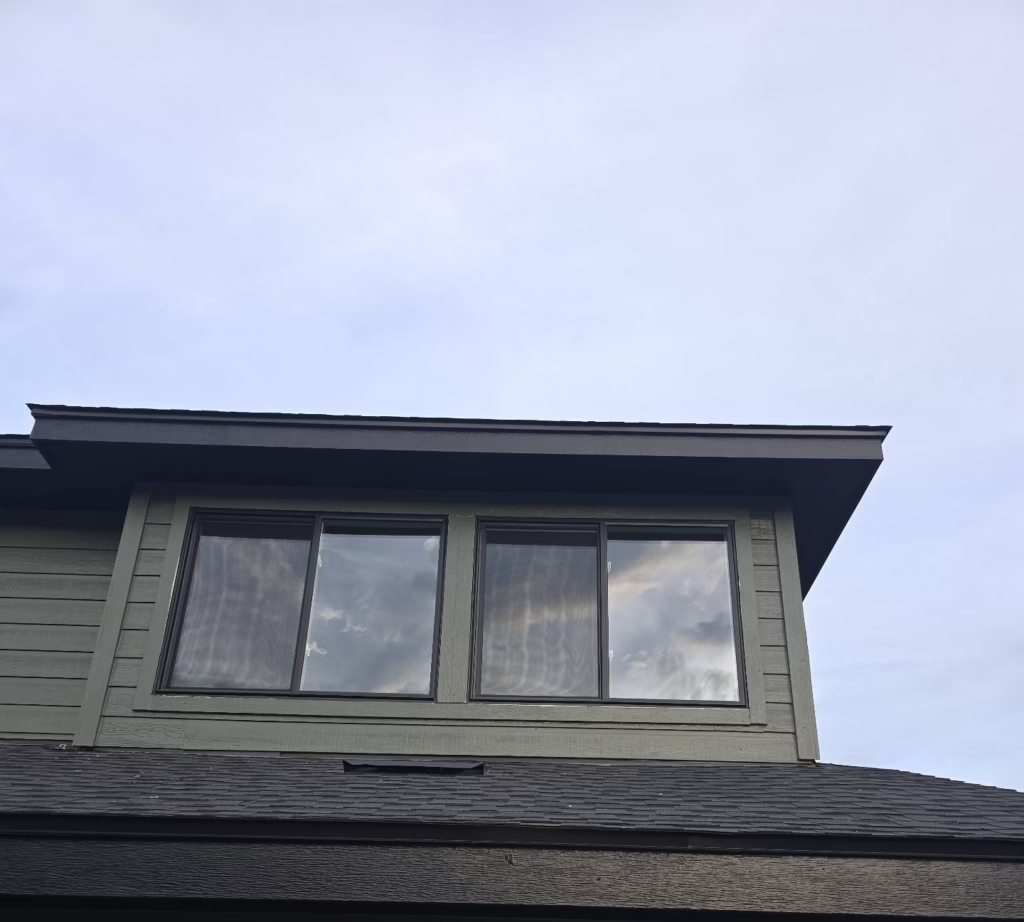
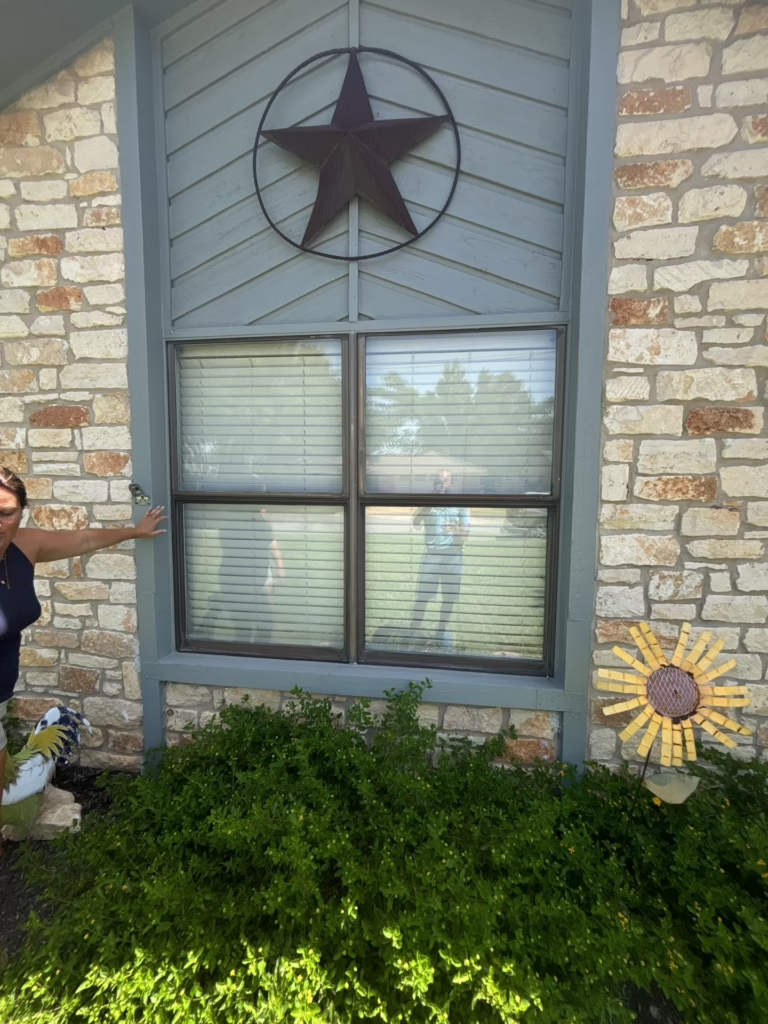
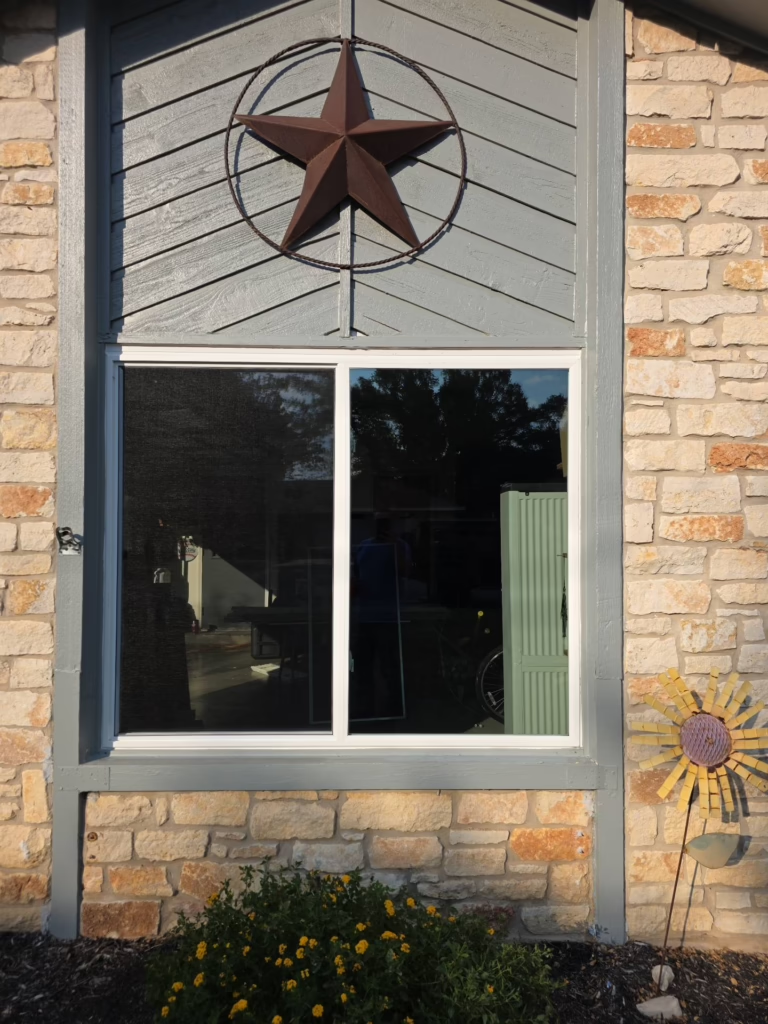
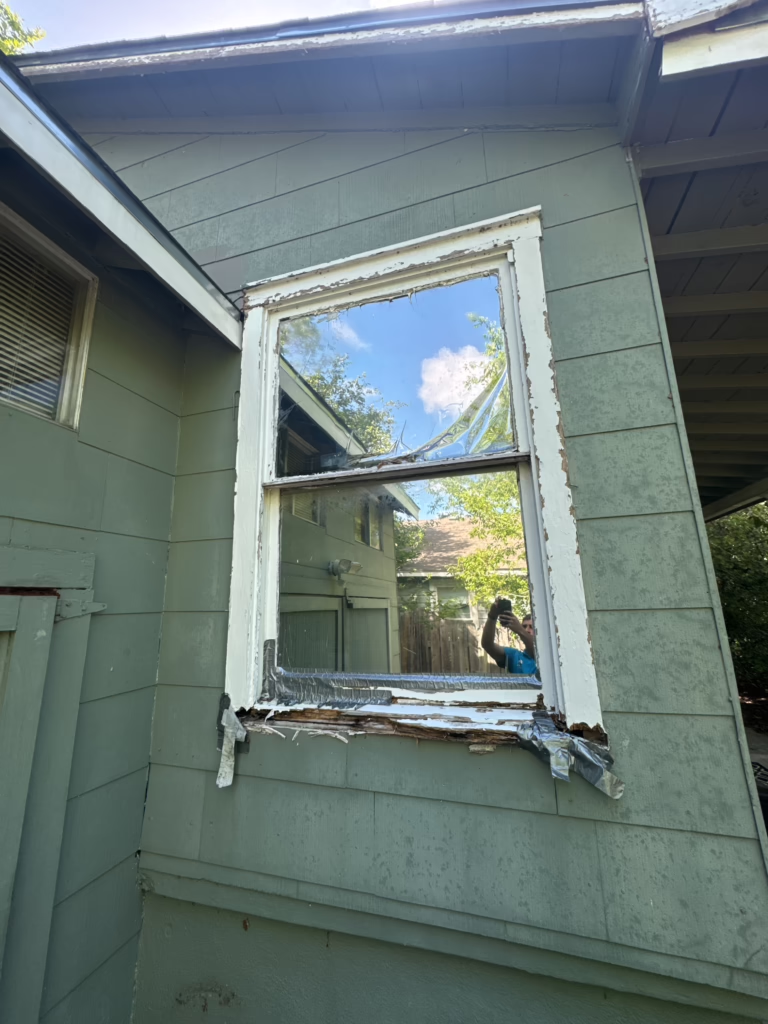
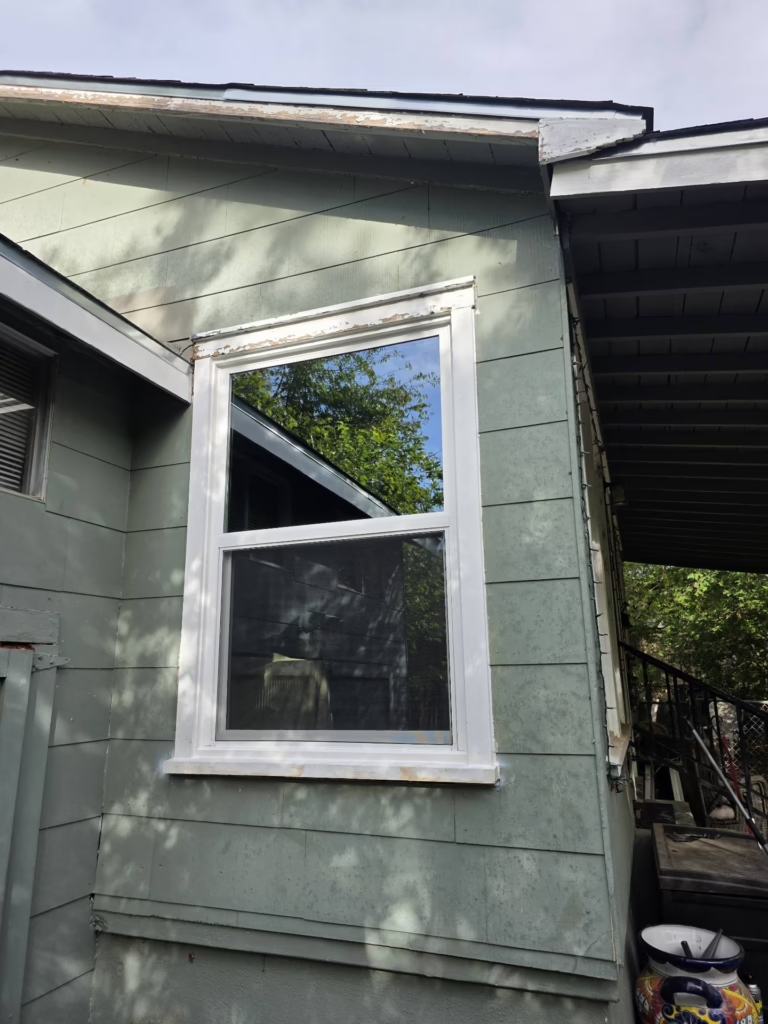
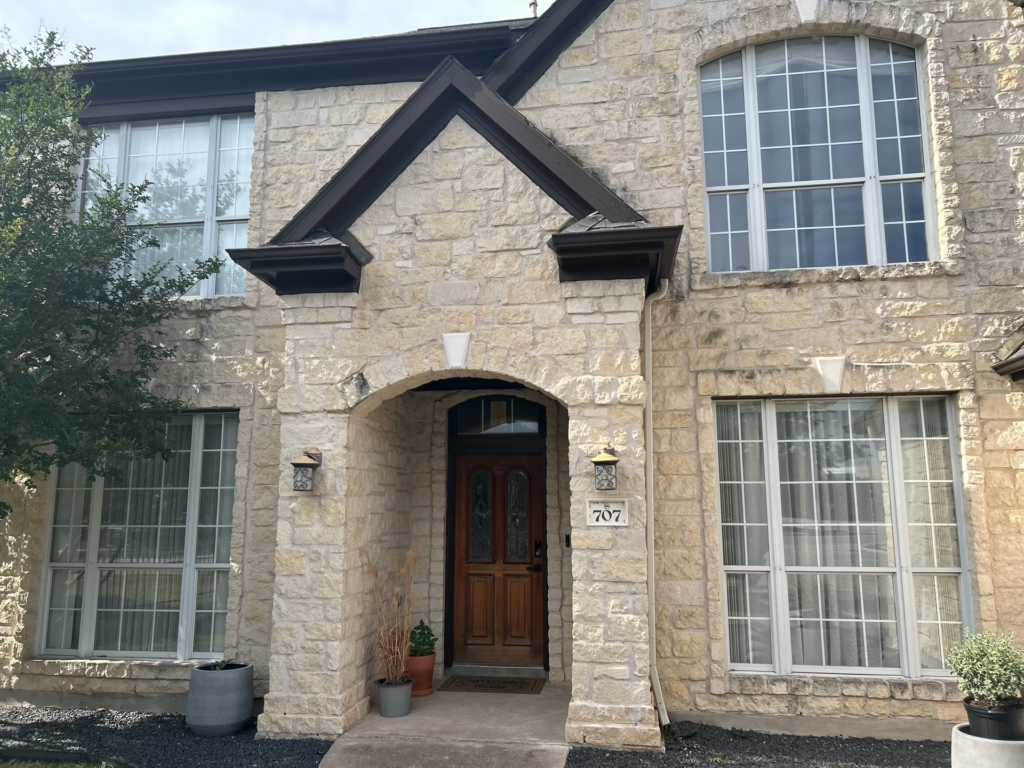
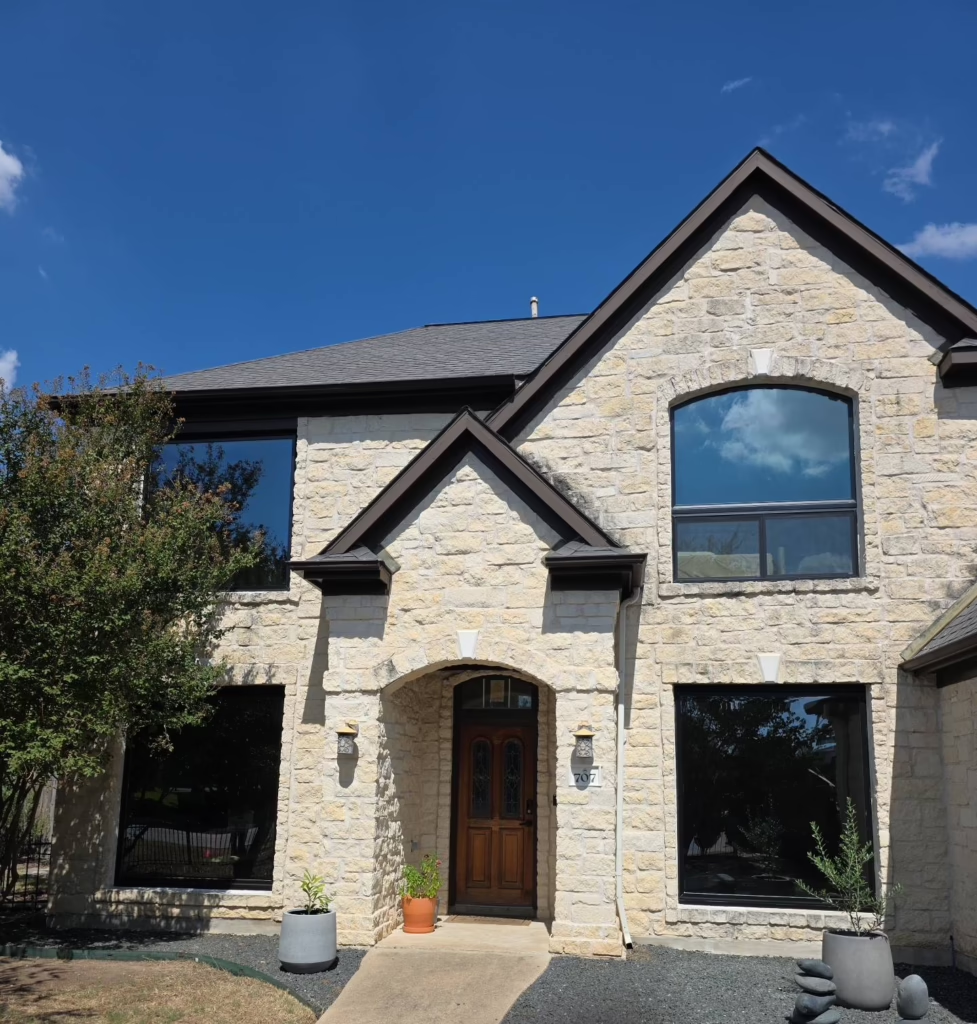
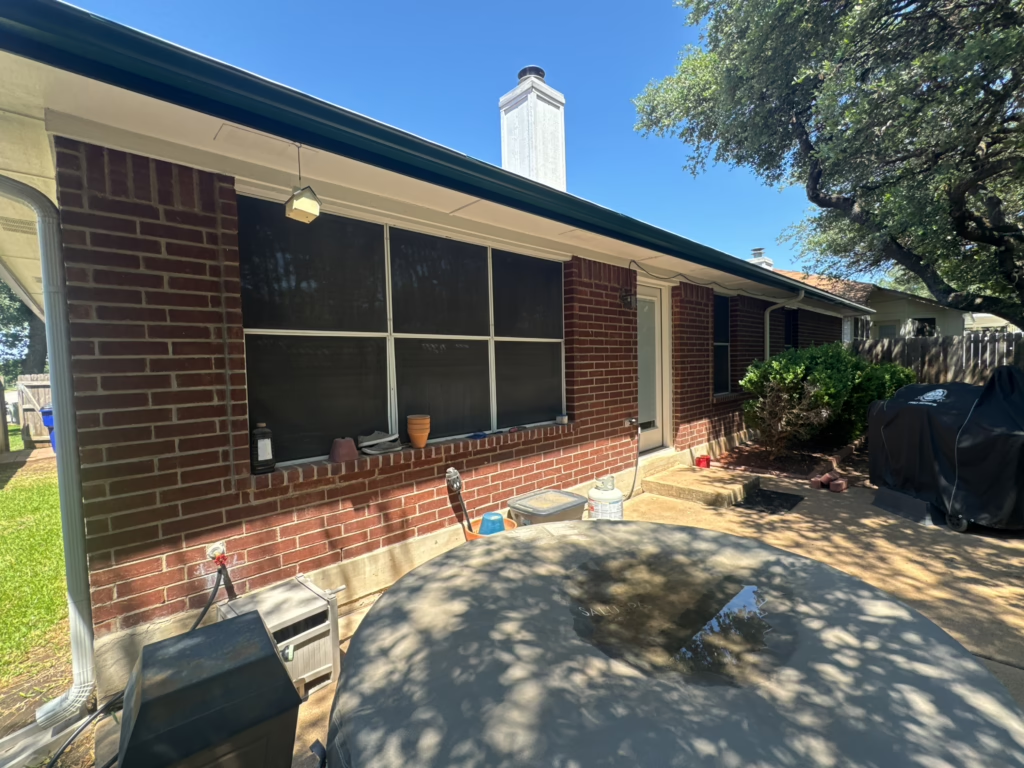
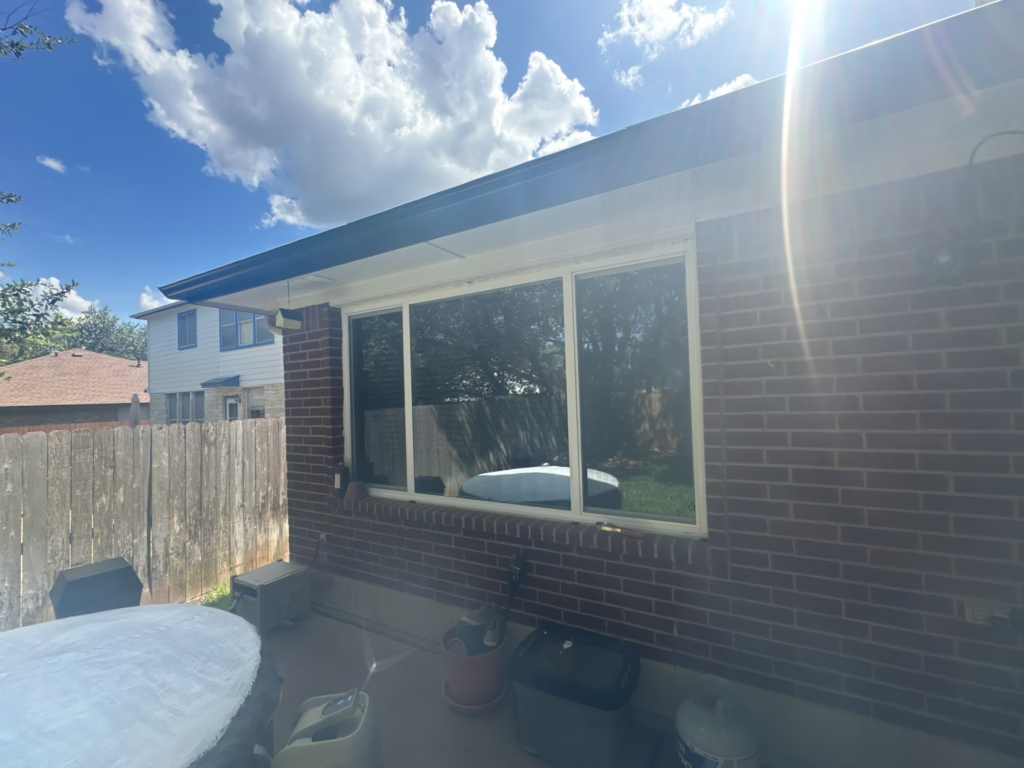
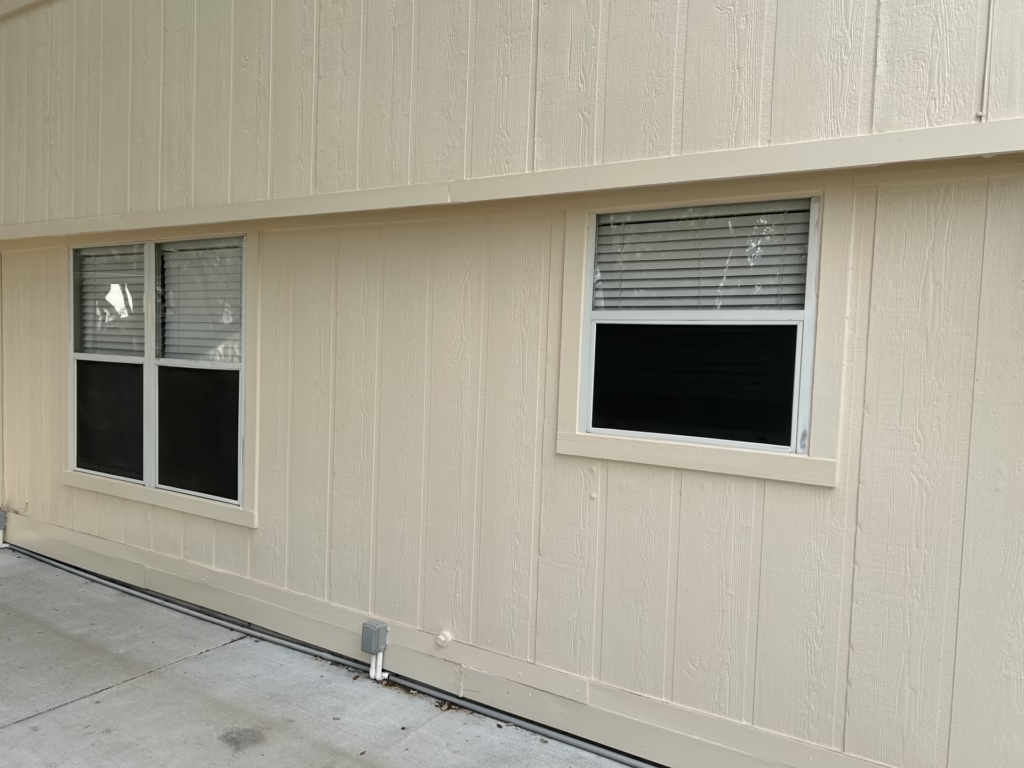
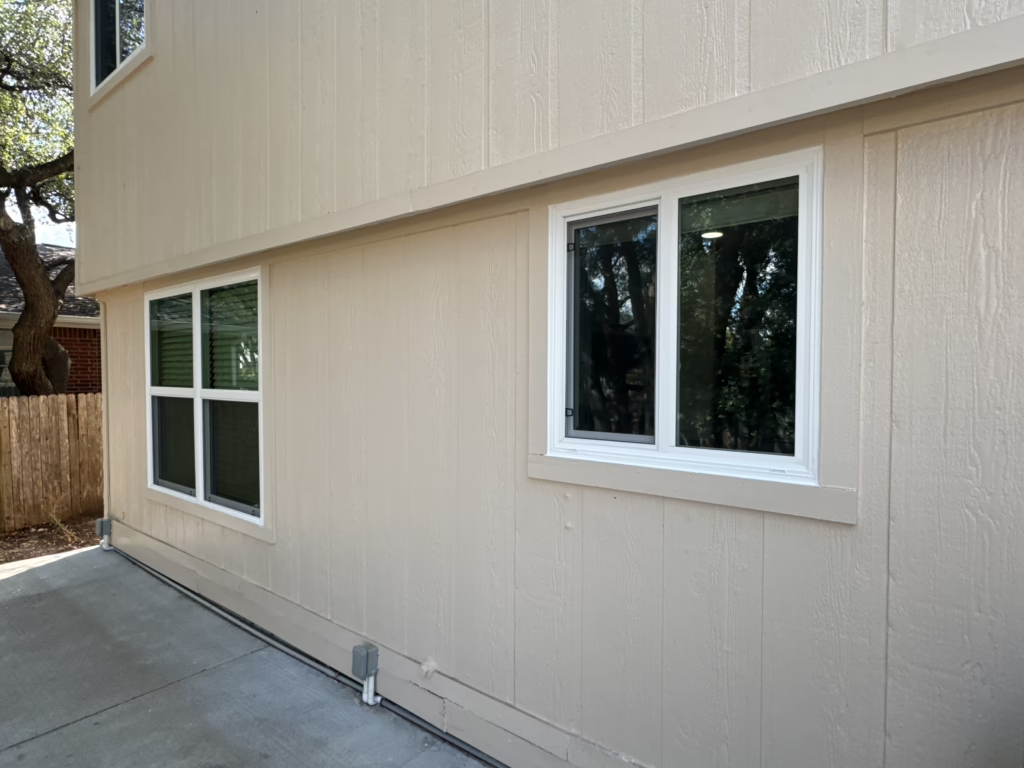
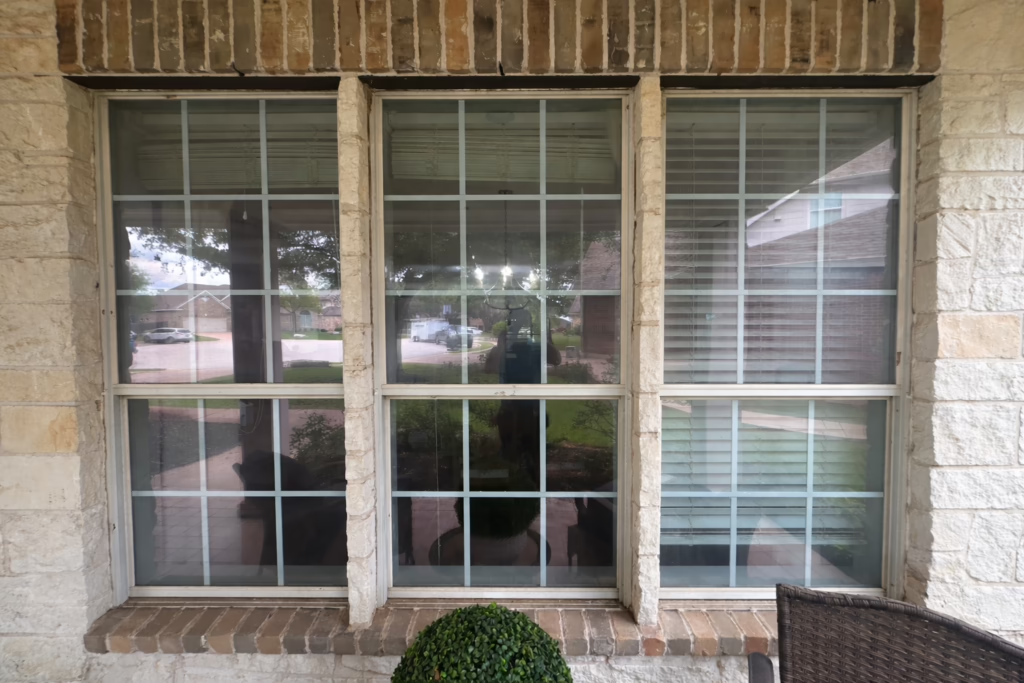
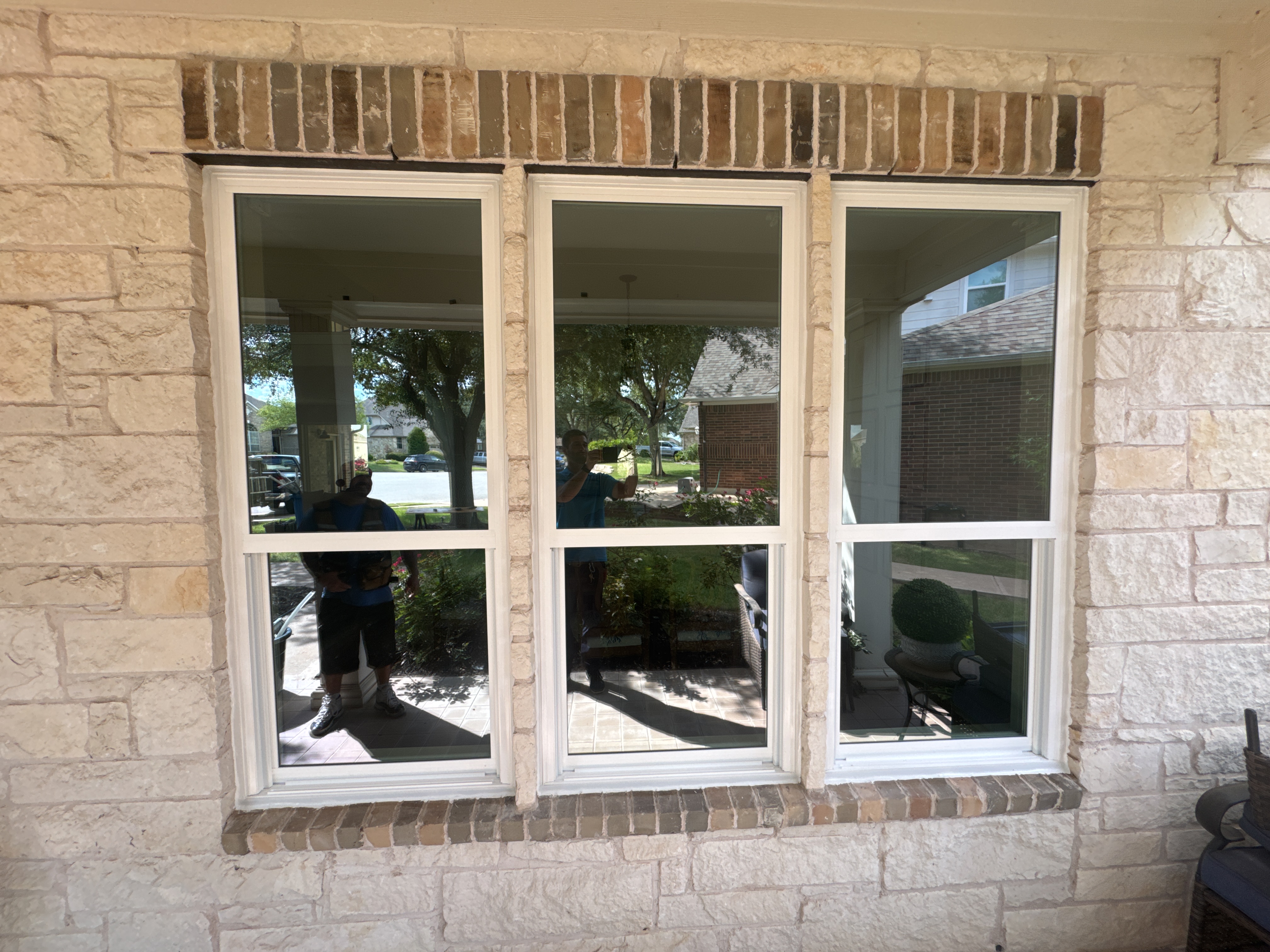
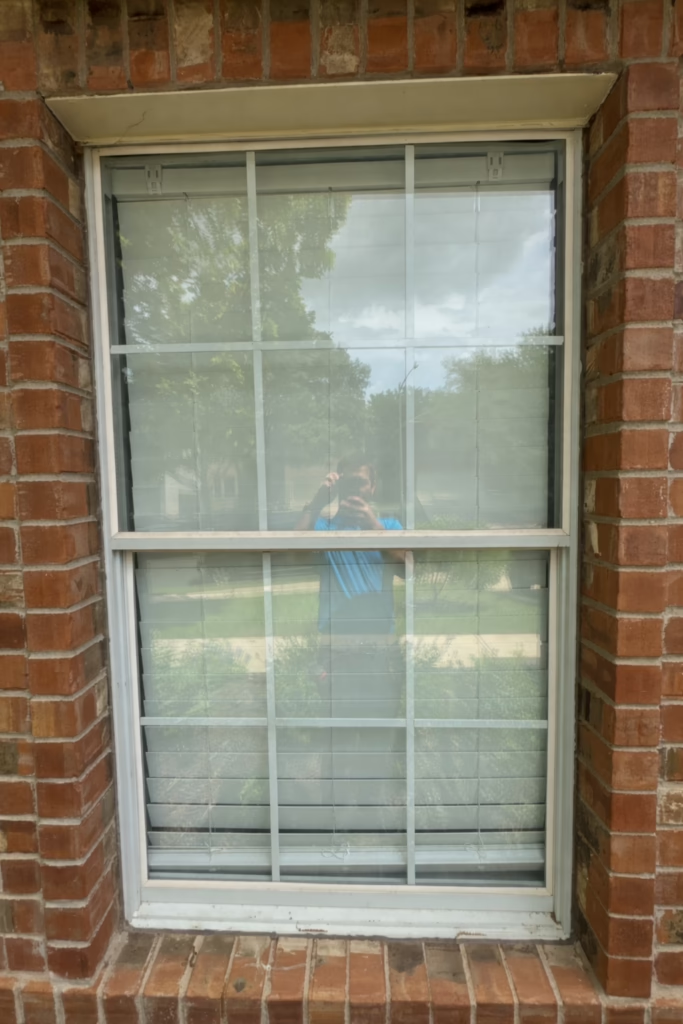
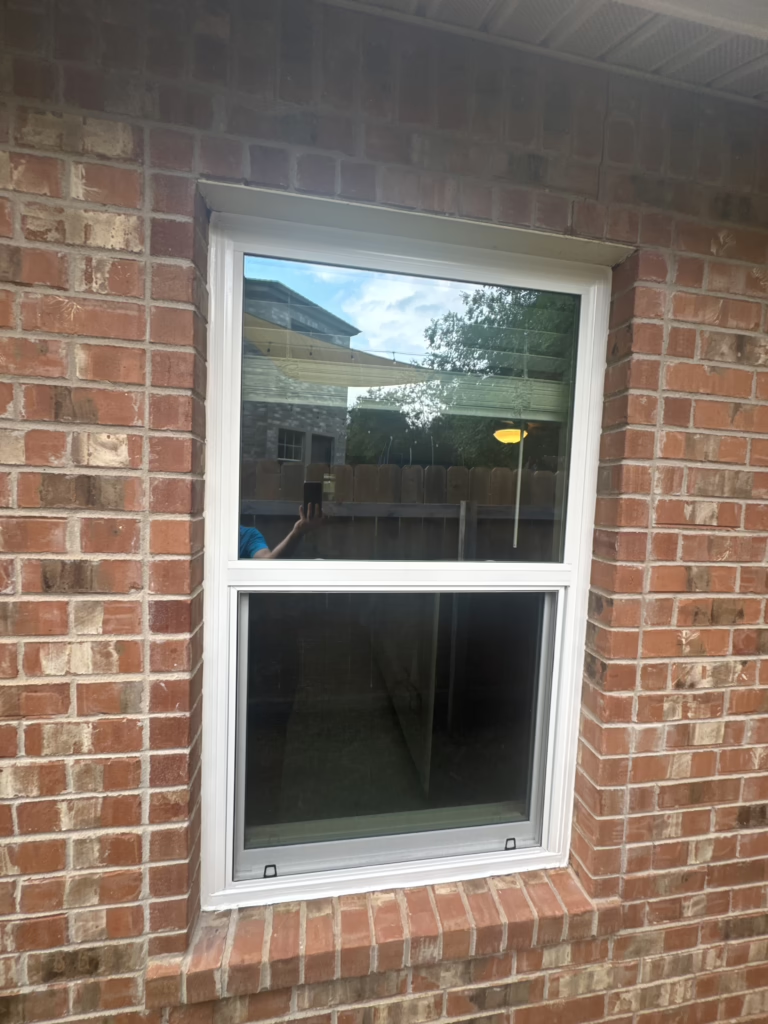
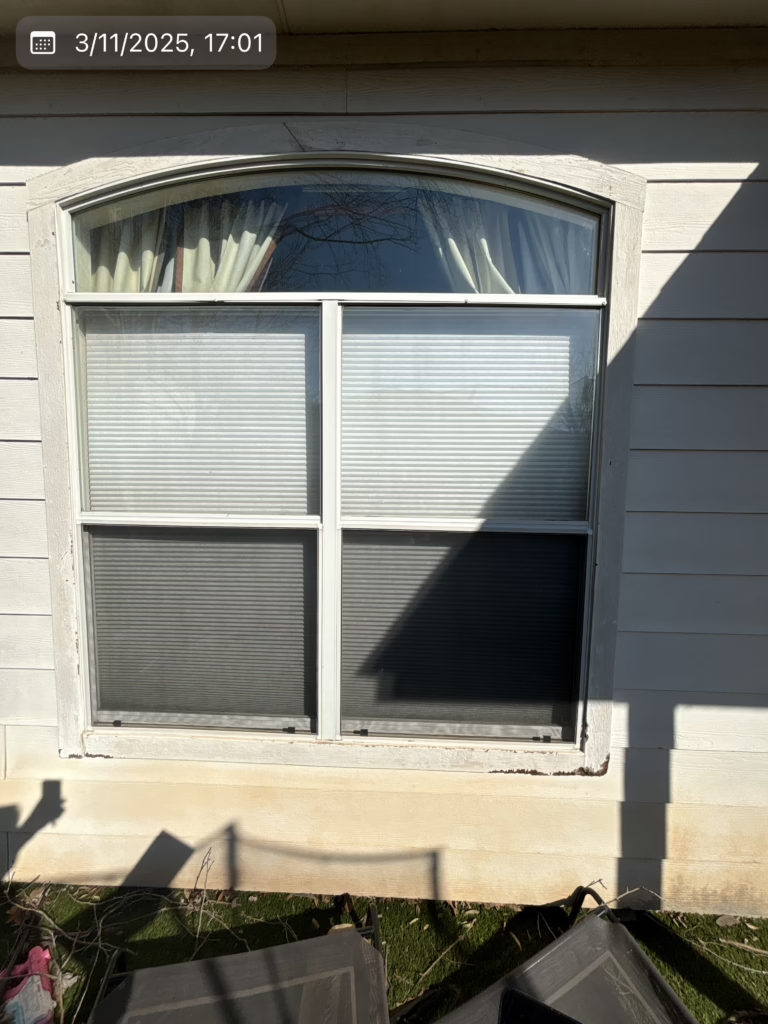
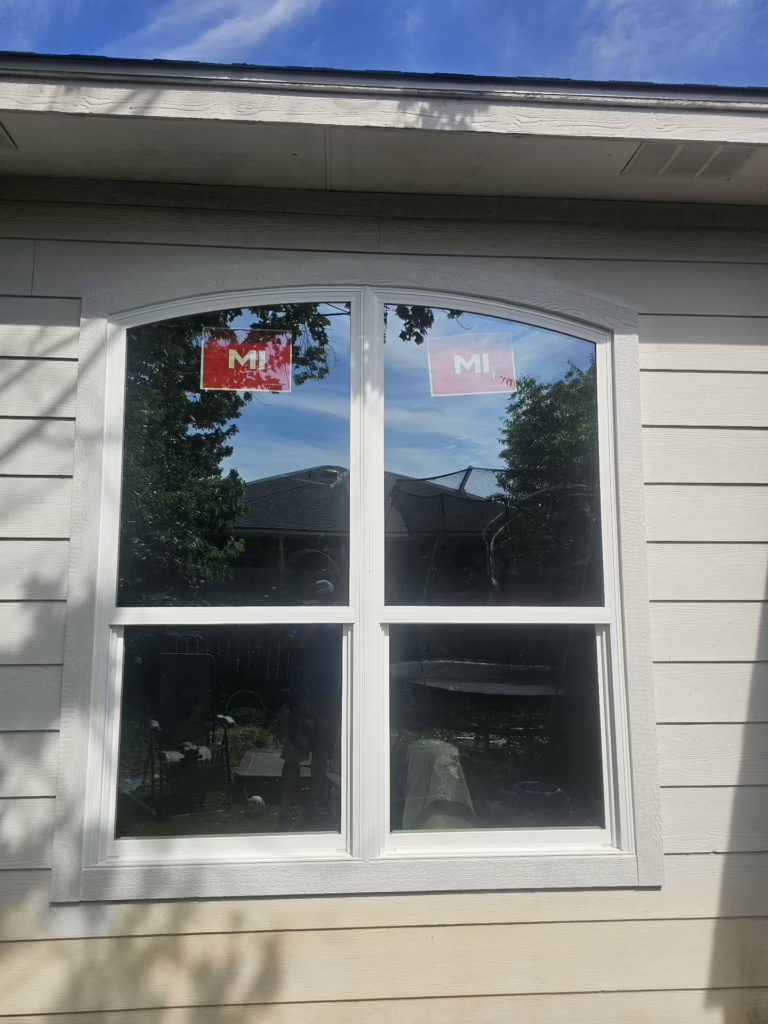
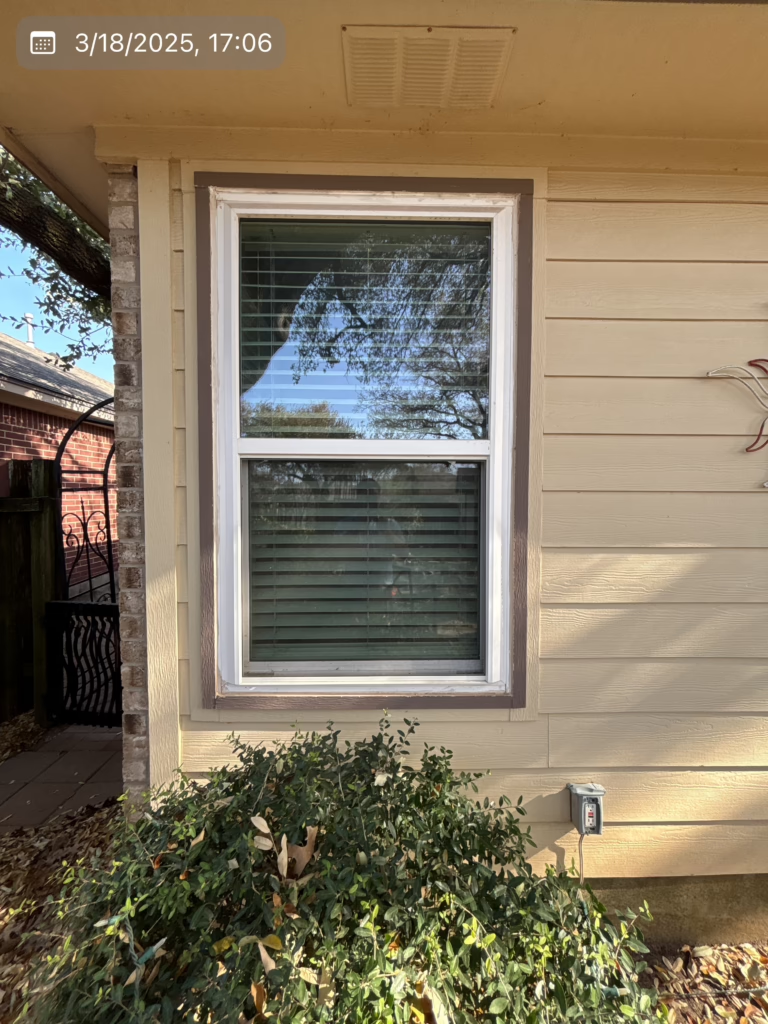
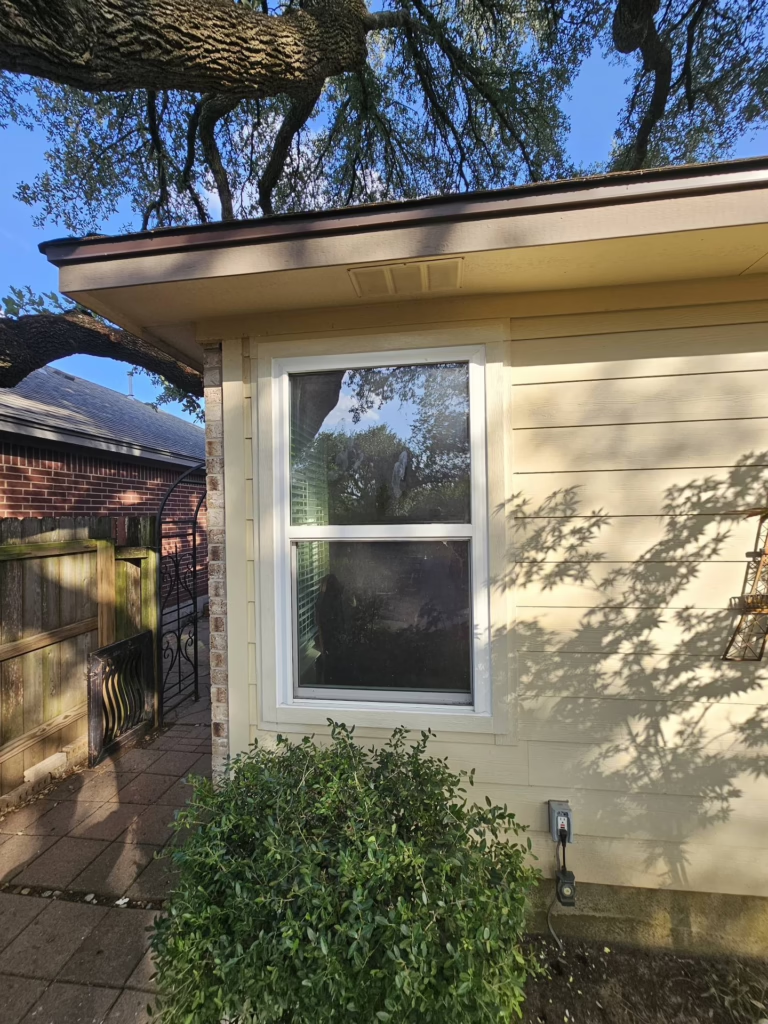
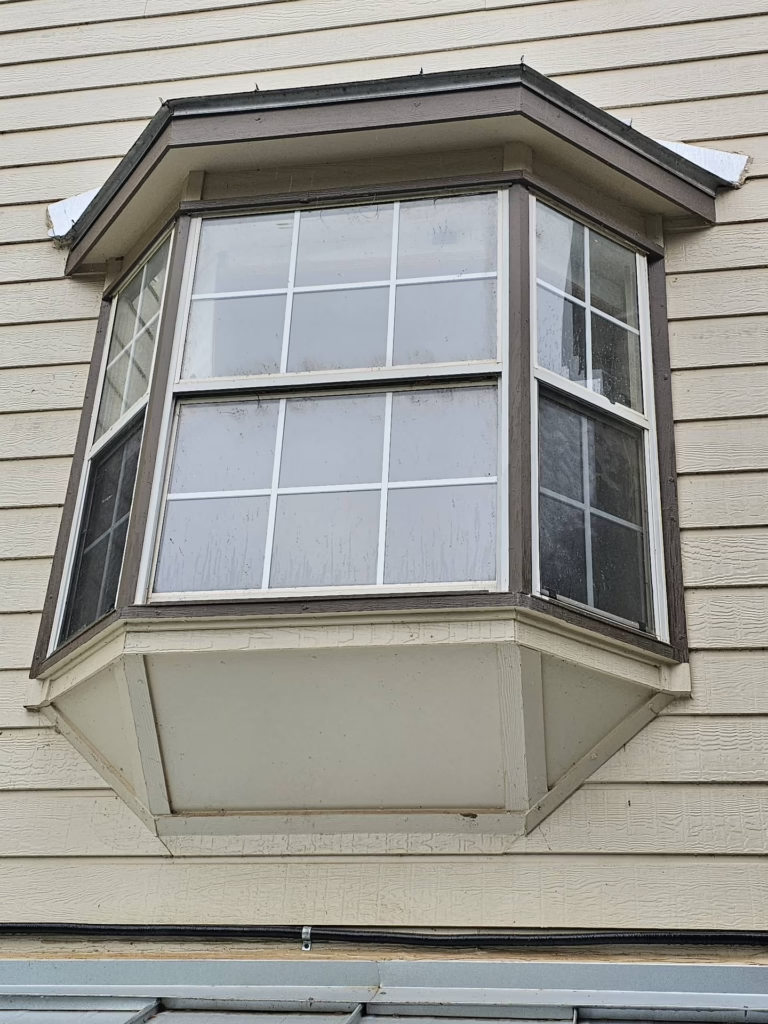
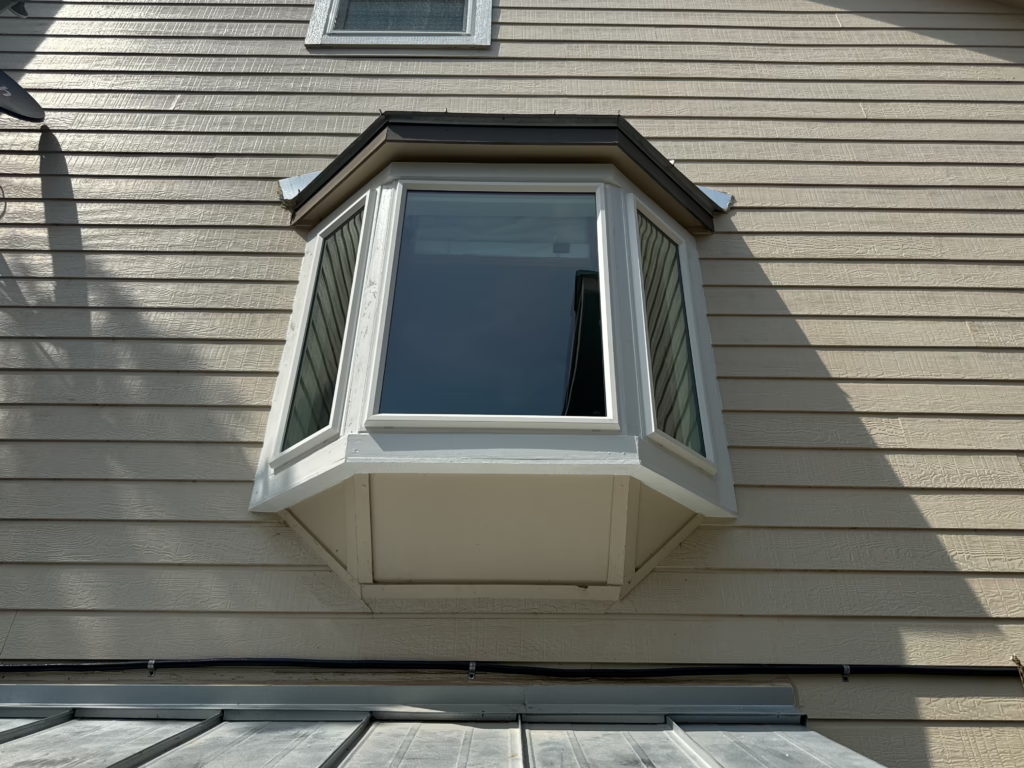
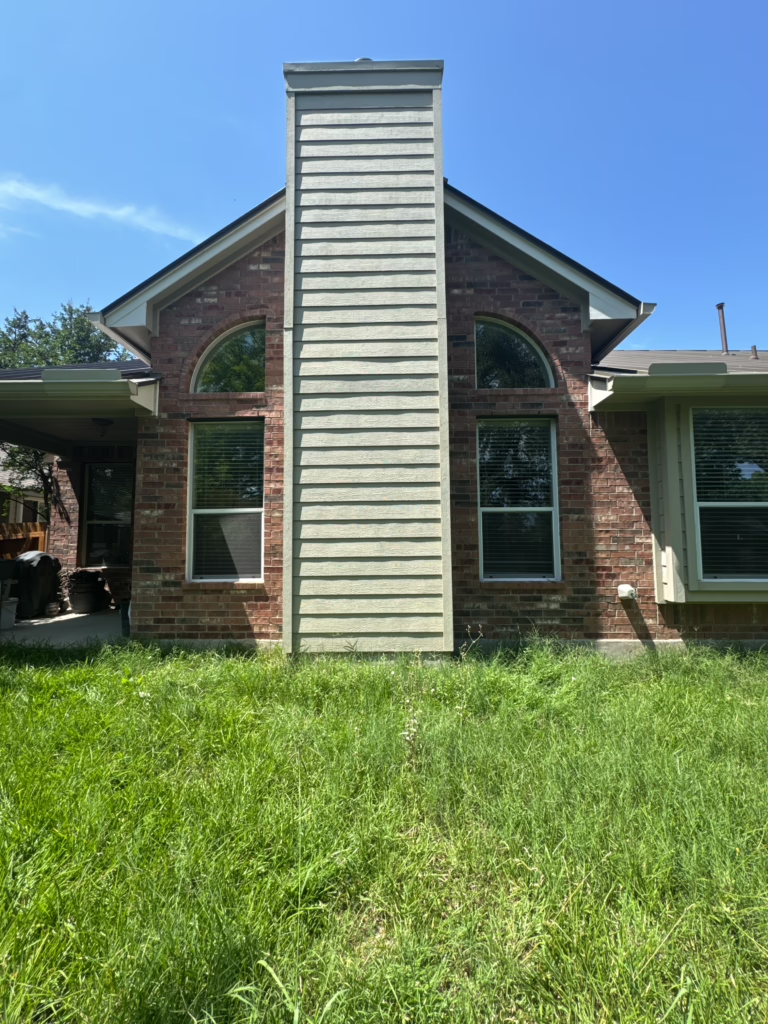
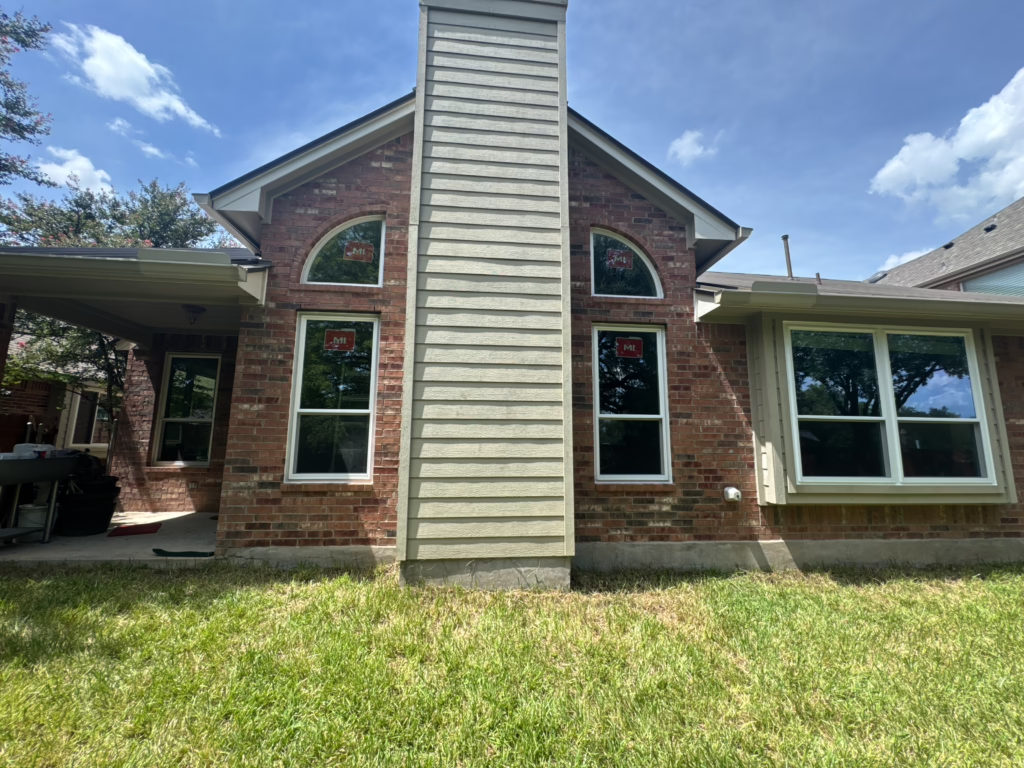
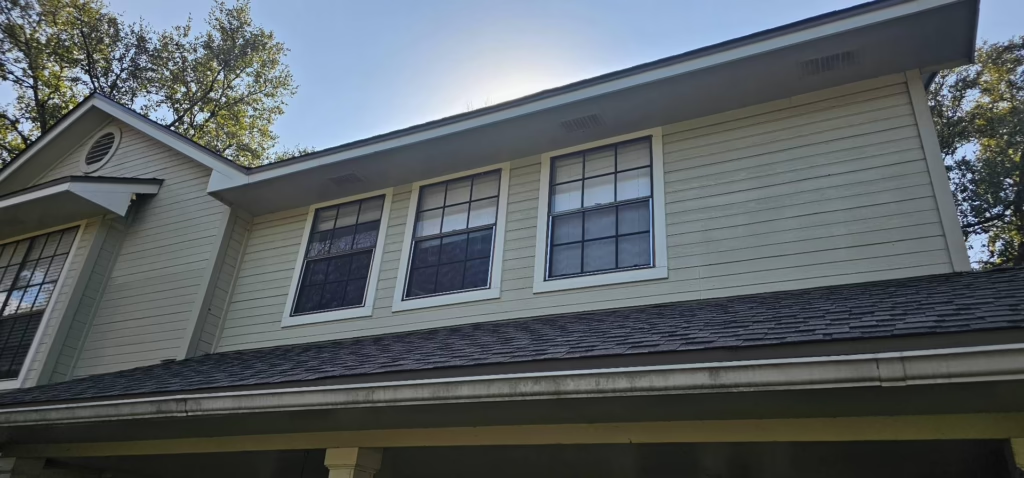
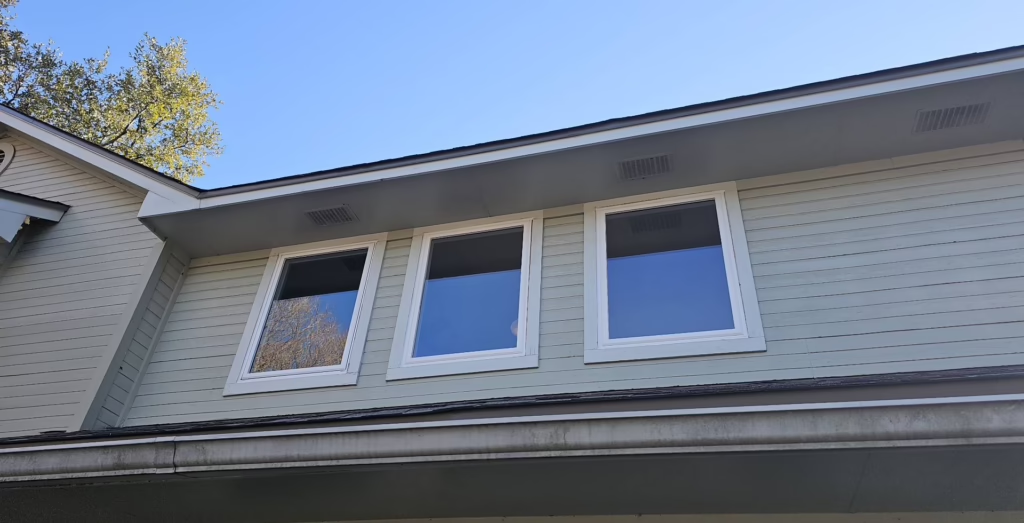
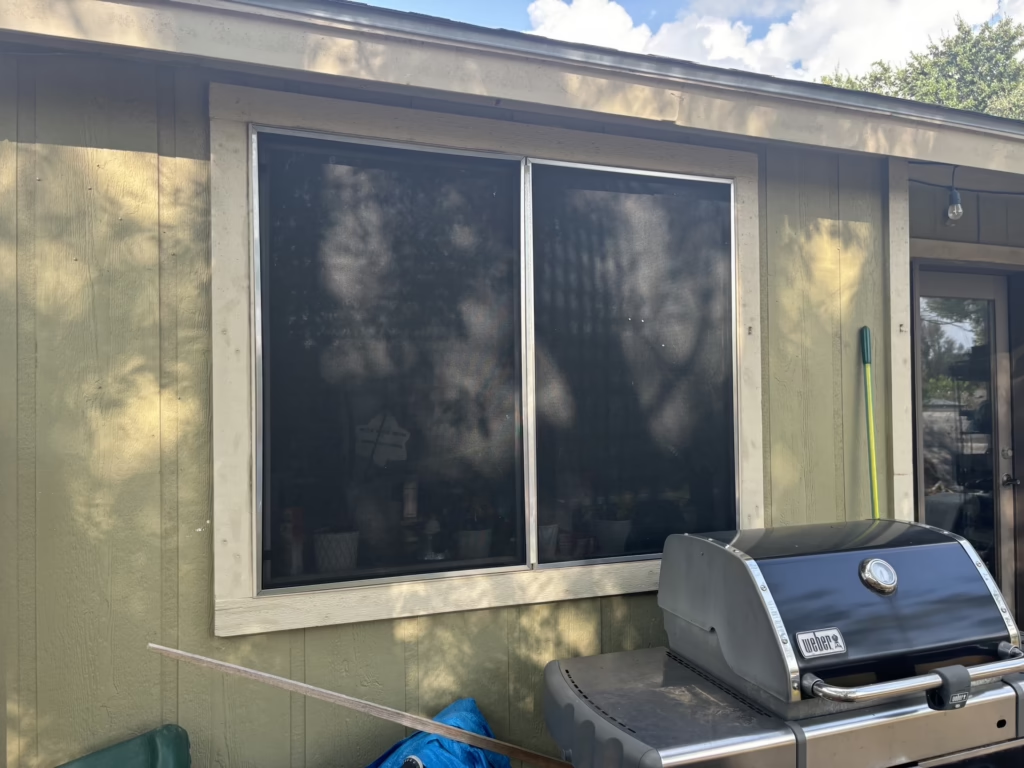
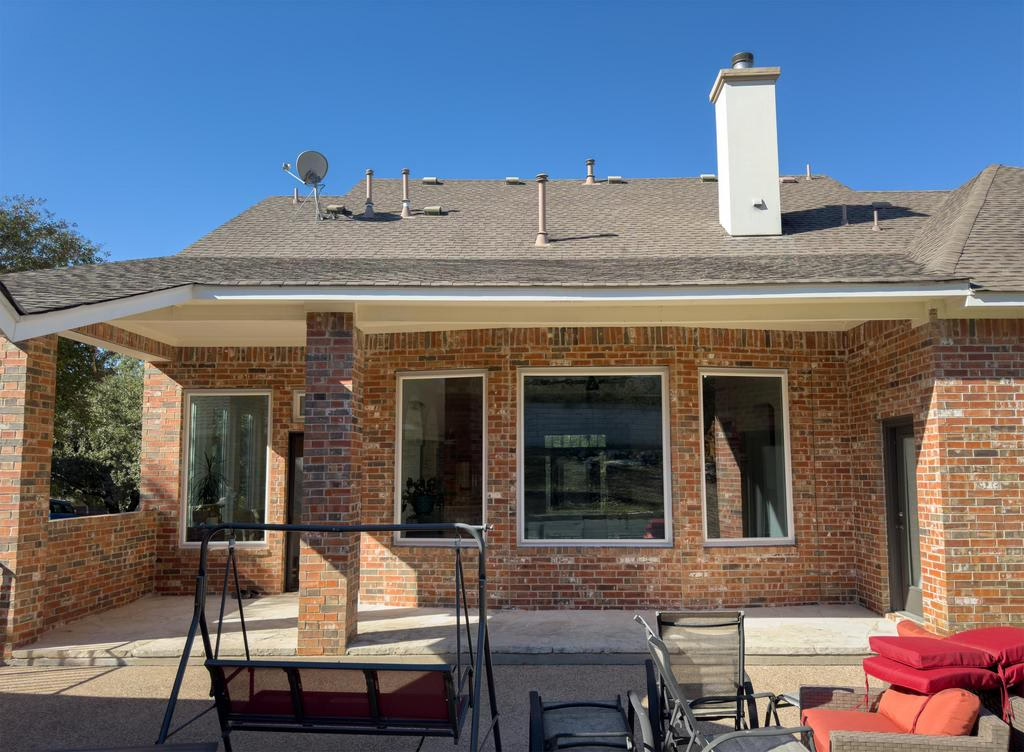
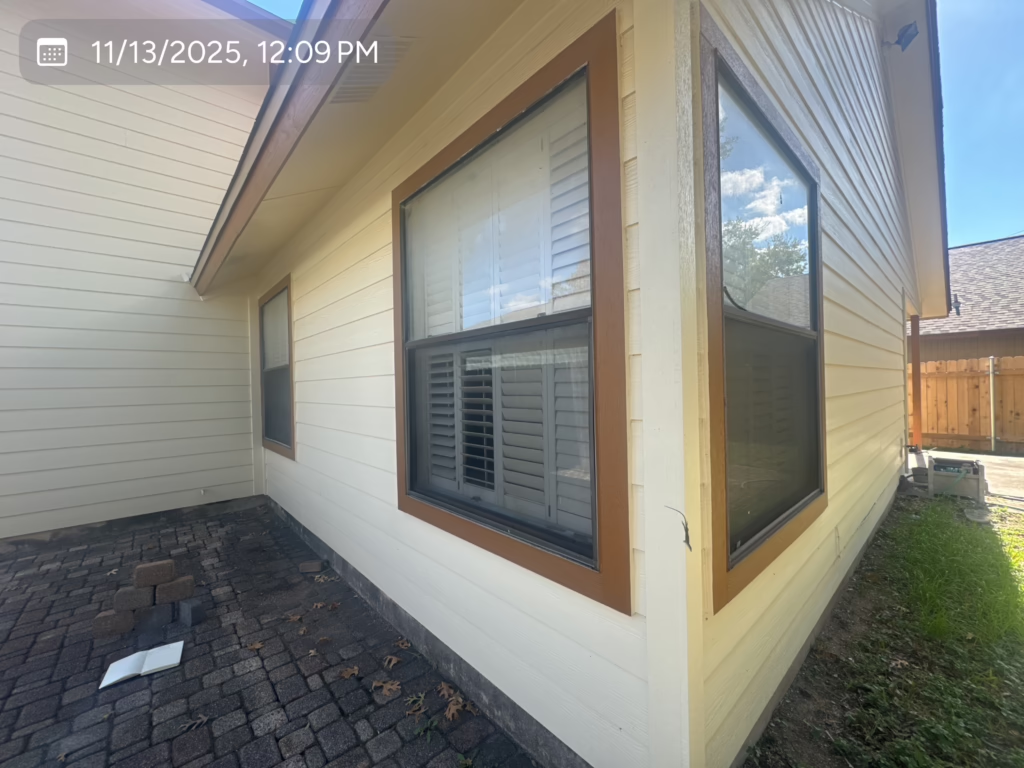
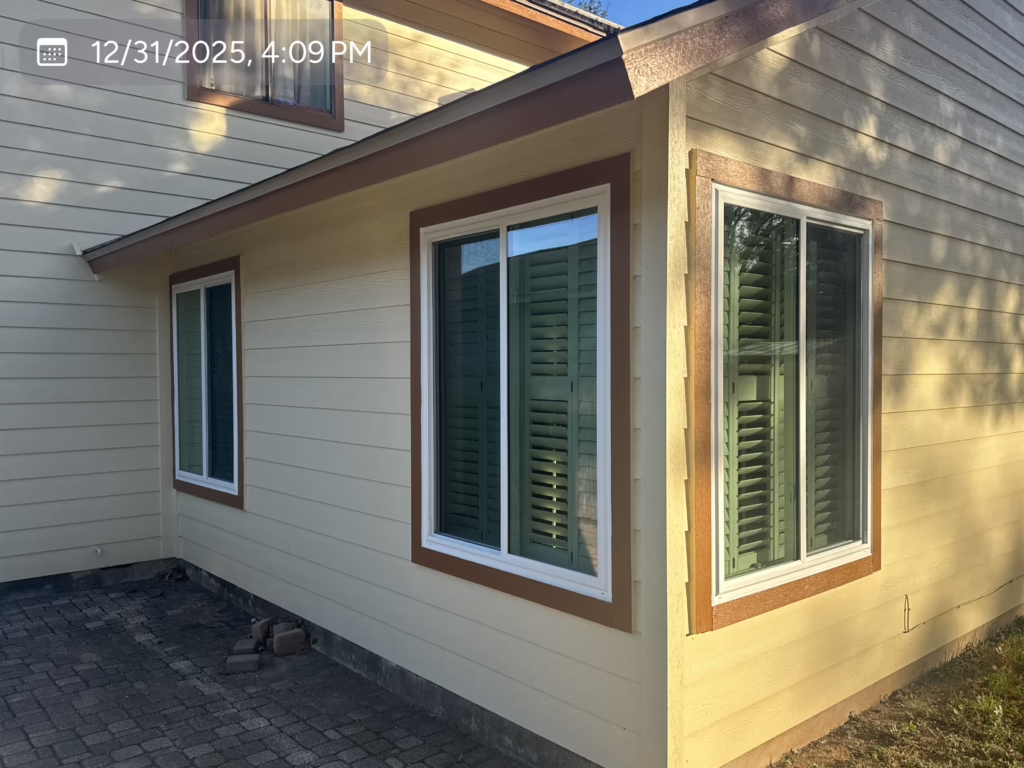
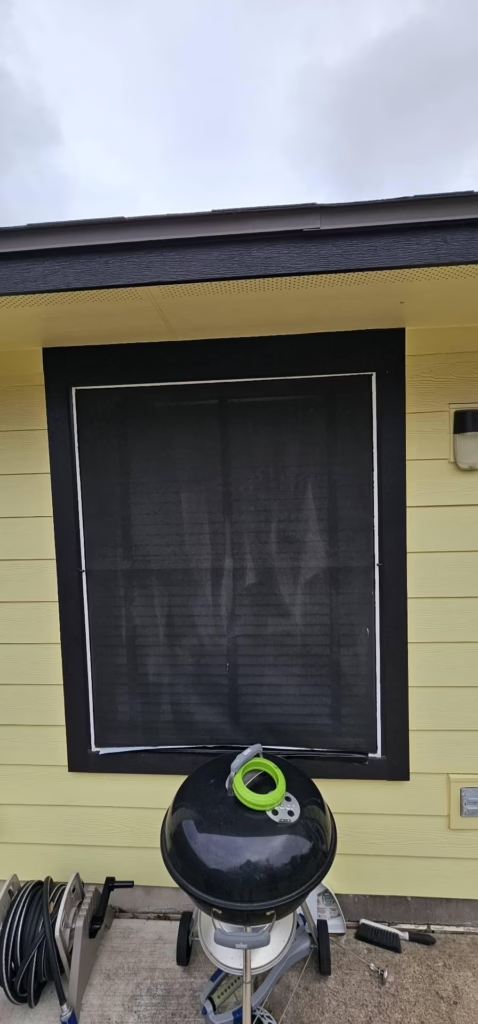
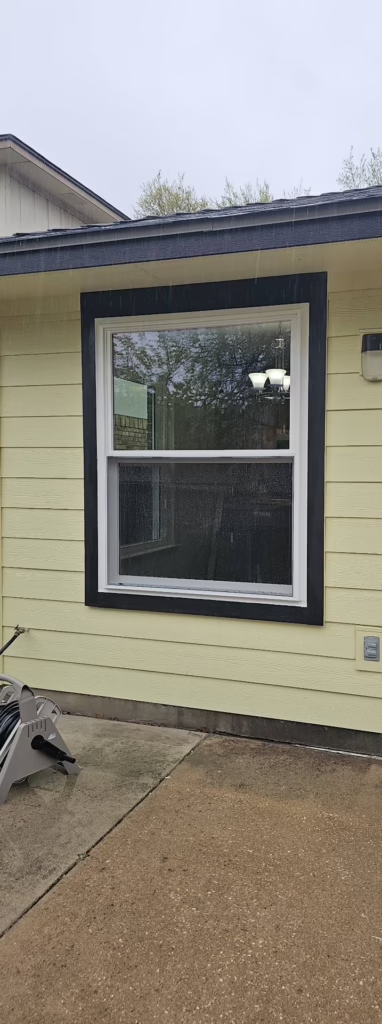
Real vinyl window replacements completed for Austin-area homeowners — before and after, different configurations, different conditions. This is what a properly installed vinyl replacement window project looks like when the framing, flashing, and finish details are handled correctly.
Frequently Asked Questions
How long do vinyl windows last in Central Texas?
Quality replacement-grade vinyl windows typically last 25–40 years in Central Texas conditions when correctly installed and maintained. The variables that most affect lifespan are frame quality (extrusion thickness, chamber design, UV stabilizers in the formulation), glass package (IGU seal quality and spacer type), and installation quality (perimeter sealing, flashing, and air sealing at the rough opening). Builder-grade vinyl installed without proper flashing or sealing may fail significantly sooner. Replacement-grade vinyl from a manufacturer with a lifetime warranty, installed correctly, should comfortably reach the 25–30 year range under normal Austin conditions.
Does vinyl warp or fade in Austin heat?
Modern replacement-grade vinyl contains UV stabilizers specifically to resist the color shift and brittleness that early vinyl formulations developed under prolonged sun exposure. Warping is more of a concern with builder-grade vinyl — thinner profiles with less internal reinforcement are more susceptible to heat distortion. Replacement-grade vinyl from quality manufacturers (Anlin, ProVia, MI) is engineered with frame geometries and reinforcement that resist warping under the sustained heat Austin produces. Darker colors absorb more heat and can experience slightly more thermal movement, which is worth discussing when selecting exterior color on west- and south-facing windows.
Is vinyl a good choice for casement or awning windows?
Yes — vinyl performs well in casement and awning configurations, and these are actually where vinyl’s compression-seal advantage over sliders and double-hungs is most pronounced. A casement or awning window closes against a continuous perimeter gasket, producing tighter air sealing than a sash sliding in a track. Quality vinyl brands offer casement and awning configurations with reinforced sash and robust hardware that holds up to daily operation. For operable window types where tight sealing is a priority — particularly on high-sun exposures — vinyl casements are often the most cost-effective specification available.
What is the difference between vinyl window quality tiers?
The differences are real and show up in long-term performance. Higher-quality vinyl windows feature more internal chambers in the frame profile (which improves insulation and rigidity), thicker extrusion walls, fusion-welded corners (stronger than mechanically fastened), reinforced sash designs, and better-quality IGU spacers. Glass packages also vary significantly — standard insulated glass versus argon-filled versus low-E configurations with solar-control coatings. At the bottom of the market, builder-grade vinyl minimizes all of these to hit a price point. At the top, replacement-grade vinyl from brands like Anlin and ProVia builds in construction quality that shows up as operational consistency and seal longevity 10–20 years after installation.
Can vinyl windows help reduce noise?
Vinyl windows contribute to noise reduction primarily through sealing quality rather than frame mass — a vinyl window that seals tightly around the full perimeter leaves fewer paths for sound to travel around the glass. For locations where noise reduction is a significant priority, the glass package matters more than the frame material: laminated acoustic glass produces meaningful noise reduction regardless of frame material. Fiberglass carries more acoustic mass than vinyl and is the stronger frame specification for noise-sensitive applications. For a detailed breakdown of what drives noise transmission and how to address it, see the noisy windows page.
Want to Know if Vinyl is Right for Your Home?
We’ll assess your openings, sun exposure, and long-term priorities and give you a straight recommendation on material, brand, and glass package — before anything is ordered.
- Free on-site assessment with no obligation
- Material and glass package recommendations explained clearly
- No deposit required to get started
- 10-year workmanship warranty on every installation