

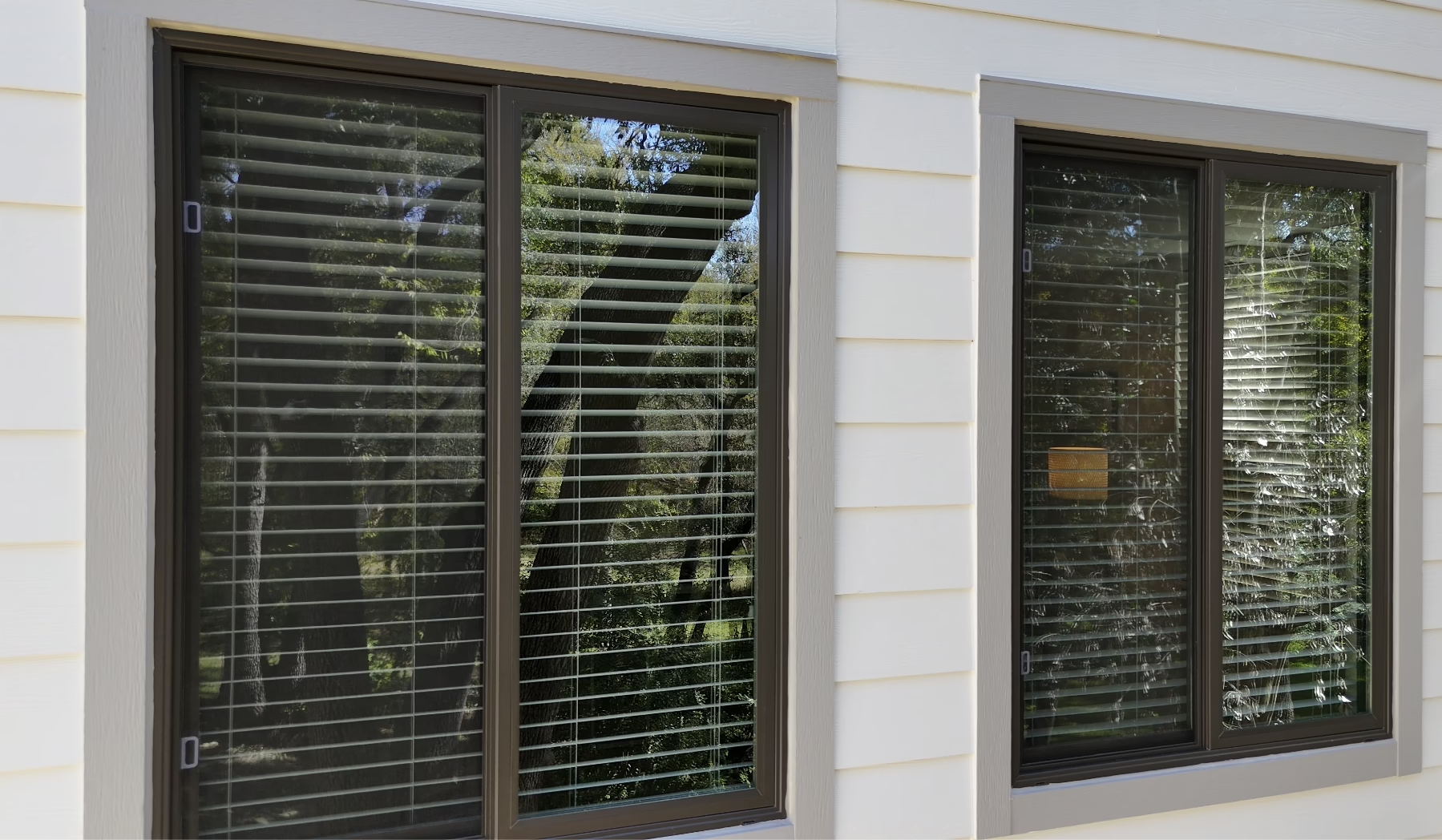
Fiberglass Replacement Windows
Fiberglass window frames are exceptionally rigid, dimensionally stable, and — critically for Central Texas — expand and contract at nearly the same rate as glass. That thermal compatibility is the primary reason fiberglass windows maintain their IGU seals longer than vinyl under Austin’s daily temperature cycling. They also carry more acoustic mass than vinyl, making them the stronger specification for noise-sensitive locations. We recommend fiberglass when the structure and design of the home actually benefit from its specific strengths — not as a default upgrade. For a comparison of all frame materials we install, see the window materials overview, or start with the replacement windows overview for the full picture.
Why Fiberglass Windows Make Sense for Certain Homes
Fiberglass is not the right material for every home — but for the homes where it is, it outperforms vinyl in ways that matter specifically in Central Texas conditions. If your priorities include long-term seal integrity, acoustic performance, larger openings with slim sightlines, or a high-heat-exposure elevation where thermal stability is the primary concern, fiberglass is worth serious evaluation.
Built for Strength and Dimensional Stability
Fiberglass is one of the strongest materials used in residential windows. Its rigidity allows manufacturers to build slimmer frames without sacrificing structural integrity — more glass, cleaner sightlines, and larger uninterrupted views in openings where vinyl would require a bulkier frame to achieve the same structural result. That matters for picture windows and large casement configurations where the opening size puts real demands on the frame.
The more important stability advantage in Central Texas is thermal: fiberglass expands and contracts at a rate nearly identical to glass. This means the bond between the frame and the IGU (insulated glass unit) experiences less differential stress over the daily temperature swings that Austin summers produce. Over 20–30 years, that translates to longer seal life and fewer fogged-glass failures compared to vinyl frames, which expand at a different rate than glass and stress the seal with every heat cycle. For a home that will be occupied for two or three decades, this is one of the most consequential material differences that rarely gets discussed clearly.
Acoustic Performance
Fiberglass carries more acoustic mass than vinyl — denser frames transmit less airborne sound than lighter ones. For homes near highways, busy roads, flight paths, or other noise-exposed locations, fiberglass frames combined with laminated acoustic glass produce the strongest noise-reduction specification available in residential windows. This is a meaningful advantage that the vinyl page cannot match on mass alone, though installation seal quality matters equally — any air gap at the perimeter bypasses the acoustic properties of both the glass and the frame. If noise transmission is a primary concern, fiberglass is the right frame material to start the specification from.
Fiberglass vs. Wood: A Practical Comparison
Fiberglass is often compared to wood because both materials are used in higher-end window applications. Wood offers a traditional aesthetic and interior warmth that fiberglass cannot fully replicate — but it comes with maintenance requirements and moisture vulnerability that Central Texas conditions make worse than in most US climates.
- Wood windows provide a classic interior look and extensive finish customization, but are vulnerable to moisture, rot, and long-term movement. Austin’s combination of UV intensity, heat cycling, and humidity accelerates wood deterioration more than cooler climates. They require ongoing maintenance to preserve both appearance and performance.
- Fiberglass windows accept high-quality paint finishes and replicate clean architectural lines while resisting rot, corrosion, and warping. They maintain their shape and operation without the upkeep wood demands — and hold their seals better over the lifespan of the product.
For homeowners who appreciate the look and structural quality of wood but want greater durability and less maintenance commitment, fiberglass is often the more practical long-term choice in Central Texas. The wood window materials page covers where wood-clad makes sense and where the maintenance tradeoffs don’t hold up in Austin conditions.
Energy Performance and Comfort
Fiberglass frames perform well in demanding climates because of their thermal stability. When paired with modern low-E glass tuned for solar control, they reduce heat transfer, minimize air leakage, and maintain consistent indoor temperatures throughout the year. The energy performance difference between fiberglass and quality vinyl is not dramatic when both are correctly specified — the glass package carries most of the thermal work in both cases. The fiberglass advantage on energy is primarily the long-term story: seals that last longer mean a window that continues to perform at its rated efficiency rather than degrading as the IGU seal fails over time. The vinyl materials page covers where vinyl meets the performance bar and where fiberglass is the stronger call.
When Fiberglass Is the Right Call
Fiberglass becomes the better fit when the home’s specific conditions make its advantages count. High-sun-exposure west and south elevations where thermal cycling is most demanding and long-term seal integrity matters most. Larger openings — wide picture windows, large casements — where the structural rigidity of fiberglass produces slimmer frames than vinyl can achieve at the same opening size. Noise-exposed locations where acoustic mass is part of the specification. Homeowners planning to stay 20 or more years and making a long-term performance investment rather than a near-term practical upgrade. For many standard residential applications, quality vinyl performs exceptionally well — fiberglass is not a universal upgrade, it is the right material for specific conditions.
The fiberglass brand in our lineup is Pella, specifically the Impervia line — engineered for durability, dimensional stability, and performance in demanding residential applications. For how fiberglass affects total project cost compared to vinyl, see the replacement window cost page.
Installation Quality Determines Real-World Performance
As with any window material, fiberglass performance depends on correct installation — proper sizing, flashing, air sealing, and integration with the building envelope. A fiberglass window incorrectly installed loses most of the advantages the material provides. We install fiberglass windows using the same system-level process as every other material we carry, backed by a 10-year workmanship warranty on installation quality. Details on what that process involves are on the window installation process page.
Frequently Asked Questions
Is fiberglass worth the cost premium over vinyl in Central Texas?
For homeowners staying long-term and with specific performance conditions, yes — the case is stronger in Central Texas than in most US markets. The thermal expansion compatibility between fiberglass and glass reduces IGU seal stress over Austin’s temperature cycling, which translates to longer seal life and fewer fogging failures over 20–30 years. The acoustic mass advantage matters for noise-exposed locations. And for large openings where vinyl would need a bulkier frame, fiberglass produces slimmer sightlines at the same structural rating. The cost premium is real — typically 30–50% over comparable vinyl. Whether it pencils out depends on how long you plan to stay and what the specific opening conditions are. For a near-term practical upgrade or investment property, quality vinyl from Anlin or ProVia is often the right answer.
How does fiberglass compare to vinyl on maintenance?
Both are low-maintenance materials — neither requires painting, neither rots, and both clean with standard household cleaners. The maintenance distinction between fiberglass and vinyl is minimal in practice. Where fiberglass pulls ahead is not in active maintenance requirements but in passive performance retention: seals last longer, frames stay more dimensionally consistent, and the product ages more uniformly under thermal stress. For homeowners whose primary maintenance concern is “how much work will this create,” both materials are a strong upgrade over wood. For homeowners asking “which will perform better in 25 years without any intervention,” fiberglass has the more durable long-term track record in high-heat climates.
Does fiberglass look different from vinyl?
From a distance and in standard configurations, fiberglass and vinyl windows look similar. The visible difference appears in sightline width — fiberglass frames can be made slimmer than vinyl frames at the same structural rating, which means more glass area visible in the opening. For large picture windows or modern architectural applications where minimal frame visibility is part of the design intent, fiberglass produces a cleaner result. Fiberglass also accepts exterior paint finishes that vinyl typically does not, which matters for design-forward projects where exterior color customization is part of the specification. In standard residential configurations with standard colors, most homeowners would not notice a difference from the street.
What window types are most commonly specified in fiberglass?
Fiberglass is most commonly specified for large picture windows, wide casement configurations, and architectural applications where the slim-frame structural advantage is most visible. It is also specified for awning windows and sliders in noise-sensitive or high-exposure locations where the acoustic mass and thermal stability advantages are worth the premium. For standard double-hung configurations in typical residential locations, quality vinyl usually meets the performance requirement — fiberglass is most impactful where the opening size, exposure, or acoustic conditions make its specific advantages count.
Which brand of fiberglass windows do you install?
We install Pella’s Impervia line for fiberglass applications. Impervia is Pella’s purpose-built fiberglass product — engineered for durability, dimensional stability, and long-term performance in demanding residential conditions. It is available in the window types and configurations relevant to most residential applications. For the full context on how Impervia fits within Pella’s broader product line and how it compares to their vinyl and wood-clad options, see the Pella brand page.
Want to Know if Fiberglass is Right for Your Home?
We’ll assess your openings, sun exposure, acoustic concerns, and long-term goals and give you a straight recommendation on whether fiberglass justifies the premium for your specific situation.
- Free on-site assessment with no obligation
- Material and glass package recommendations explained clearly
- No deposit required to get started
- 10-year workmanship warranty on every installation