

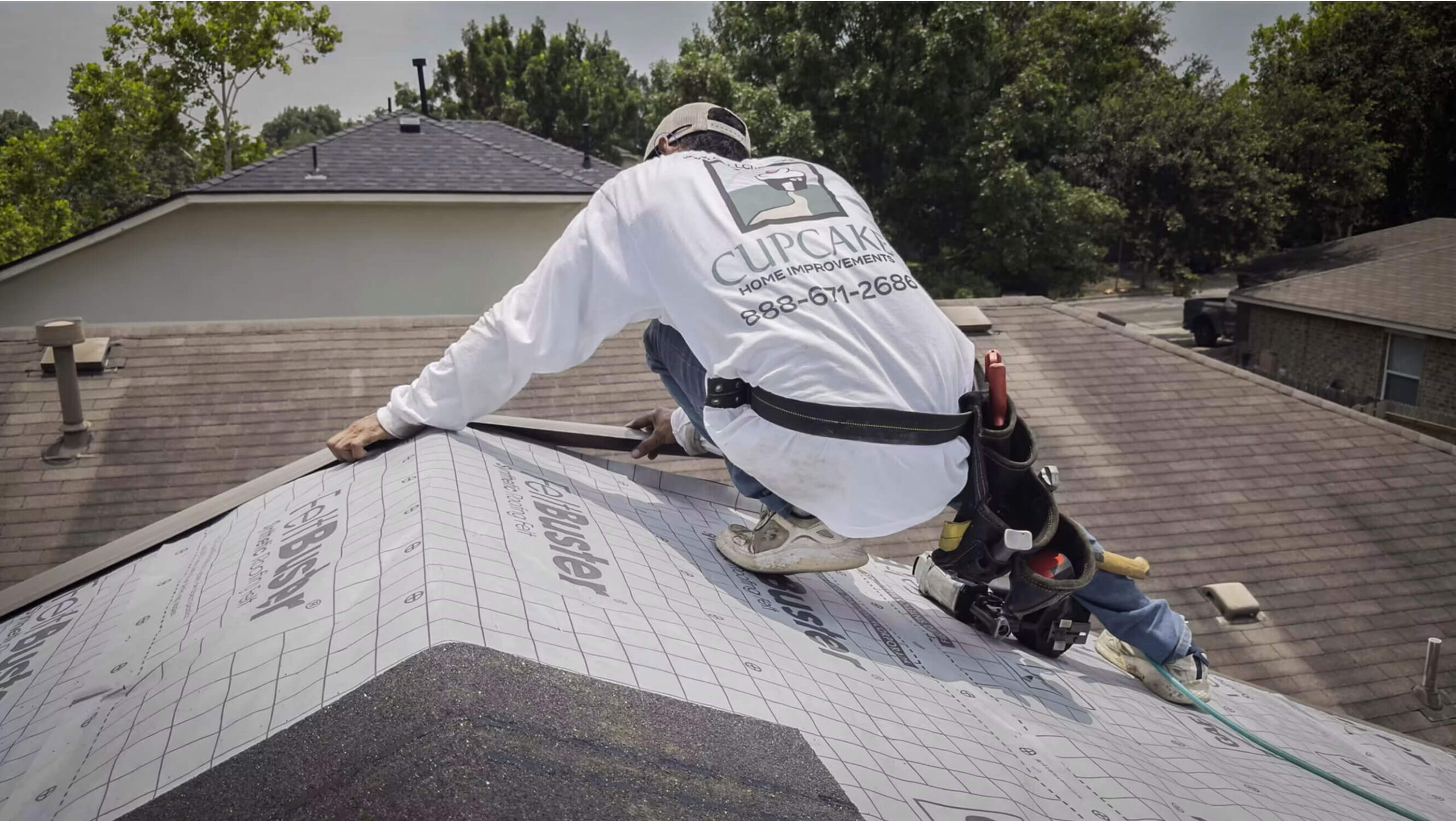
What Happens During a Roof Insurance Adjuster Inspection (and What Homeowners Should Expect)
A roof insurance adjuster inspection is the point where coverage decisions begin to take shape. The adjuster documents observable damage, determines the likely cause of loss, and records findings according to policy language and carrier guidelines. The inspection does not set final pricing — it produces the scope of work that controls everything that follows: what repairs are approved, how the claim is valued, and what gets paid.
This page explains what adjusters are trained to look for, how inspection findings affect claim outcomes, and what homeowners can do to navigate the process clearly. It is part of the roofing insurance overview, which covers the full claim process from filing through final payment. For broader context on roofing systems, costs, and repair in Central Texas, see the roofing overview.
What a Roof Insurance Inspection Is — and Isn’t
A roof insurance inspection is not a general home inspection or a roofing consultation. Its purpose is narrow: to document observable damage that may be covered under the terms of your policy.
✓ What the Inspection Covers
- Physical evidence of damage tied to a covered event
- Cause of loss determination — wind, hail, or other covered perils
- Damage patterns across slopes
- Documentation that forms the basis of the scope of work
✗ What the Inspection Does Not Cover
- Repair planning or material recommendations
- Long-term roof performance assessment
- Cosmetic wear or aging not tied to a covered event
- Installation deficiencies unless linked to a covered cause of loss
What Insurance Adjusters Are Trained to Look For
Adjusters focus on documentable indicators of damage that can be tied to a specific covered event — most commonly wind or hail. The standard evidence they evaluate includes:
Hail Impact Marks
Bruising or fracturing of the shingle mat consistent with hail size and storm data. Adjusters typically establish test squares per slope and count strikes per square to determine damage density thresholds.
Wind Damage Indicators
Shingle creasing, displacement, or tab lifting consistent with high-wind events. Wind damage is evaluated by pattern and cause — random wear doesn’t qualify.
Functional vs. Cosmetic Damage
Not all visible damage qualifies for coverage. Adjusters distinguish between functional damage that compromises water shedding and cosmetic damage that affects appearance only. This distinction significantly affects what gets approved.
Cause of Loss Attribution
Damage must be tied to a covered peril under the policy. Pre-existing wear, aging, and installation deficiencies are typically excluded — even if they’re contributing factors to the current condition.
Why Documentation Drives Outcomes More Than Opinions
Insurance claim decisions are driven by documentation, not judgment calls made at the roof line. Photos, measurements, slope-by-slope counts, test square results, and damage density all influence what gets approved — and what doesn’t.
Even legitimate damage may be excluded if it cannot be clearly documented or attributed to a covered event under the policy language. This is one reason having a contractor present during the adjuster meeting matters — a second set of eyes documenting the same roof from a different vantage point can surface damage that was missed or undercounted on the first pass.
The documentation produced during the inspection becomes the foundation for the carrier’s scope of work — the document that defines what repairs are approved and how the claim will be settled. Understanding how to read that document is covered in detail on the scope of work guide.
How Inspection Findings Affect Repair vs. Replacement
The inspection outcome plays a direct role in whether the carrier supports a limited repair or a full replacement — but the decision isn’t always straightforward.
When Repair Is More Likely
- Damage is isolated to one or two slopes
- Strike density doesn’t meet replacement thresholds
- Functional damage is limited to specific sections
When Replacement Is More Likely
- Widespread functional damage across multiple slopes
- Strike density meets or exceeds carrier thresholds
- Damage pattern is consistent with the reported storm event
These decisions are reflected in the issued scope of work — not in verbal comments made during the inspection itself. Verbal assurances at the roof line don’t bind the carrier to a specific outcome. How insurance findings interact with the broader repair-or-replace decision is covered on the repair vs. replacement page.
Common Misunderstandings About Adjuster Inspections
“If there’s a leak, insurance must pay.”
Not necessarily. Coverage depends on the cause of the leak — not the leak itself. If the source is aging, installation defects, or maintenance issues rather than a covered event, the claim may be denied regardless of the damage visible inside the home.
“The adjuster decides what roof I should buy.”
The adjuster determines what damage is covered and documents a scope of work. Material selection, contractor choice, and upgrade decisions remain with the homeowner. The scope defines what the carrier will pay for — not what you’re required to install.
“No damage found means the inspection was unfair.”
Most inspection outcomes are driven by policy definitions and documentation standards. A finding of no covered damage may mean the damage present doesn’t meet the policy’s threshold, is attributed to a non-covered cause, or wasn’t documented adequately. Understanding why a claim was denied — and what options exist — is covered on the claim denials page.
“What the adjuster says on the roof is what I’ll get.”
Verbal comments during an inspection don’t constitute coverage decisions. The scope of work issued after the inspection is the binding document. Always review it carefully before agreeing to any contractor scope or signing anything.
What Homeowners Can Do Before and After the Inspection
Homeowners don’t need to prepare scripts or challenge adjusters. But understanding a few things ahead of time sets more realistic expectations and reduces surprises after the scope is issued.
Before the Inspection
Know your coverage type — ACV or RCV — and understand your deductible structure. A 2% wind/hail deductible on a $400,000 home is $8,000. Knowing this before the inspection helps you evaluate whether filing is financially worthwhile.
During the Inspection
Having a roofing contractor present at the adjuster meeting means damage is being documented from two perspectives simultaneously. We attend adjuster meetings as part of our process — not to create conflict, but to make sure nothing is missed.
After the Inspection
Request a copy of the adjuster’s inspection notes and review the issued scope of work carefully before signing anything with a contractor. The scope defines what the carrier approved — your contractor’s scope should match it, not exceed it without a formal supplement.
If the Outcome Isn’t What You Expected
A denied or underpaid claim isn’t always the final word. Understanding the specific reason — documentation gap, cause-of-loss dispute, or policy exclusion — determines what options are available next.
If you’re unsure how an inspection outcome or scope affects your next steps, a roofing evaluation focused on clarity — not pressure — is usually the right starting point. What that process looks like is on the roofing appointment overview.
Frequently Asked Questions: The Adjuster Inspection
Should I be present when the adjuster inspects my roof?
Yes — and having a roofing contractor present alongside you is worth considering. The adjuster documents damage from the carrier’s perspective. A contractor present at the same time documents from a second vantage point, which helps ensure nothing is missed or undercounted on the first pass. Verbal comments made at the roof line during the inspection don’t constitute coverage decisions — what matters is what ends up in the written scope afterward.
How long does a roof insurance inspection take?
Most adjuster inspections take 30–60 minutes depending on roof size, complexity, and the extent of damage being evaluated. The inspection itself is typically faster than the scope of work that follows — the adjuster documents findings on-site, but the formal scope is produced afterward and may take days or weeks to arrive. Don’t make decisions with a contractor until the written scope is in hand.
What is a test square and why does it matter?
A test square is a defined area — typically 10 feet by 10 feet — that adjusters use to count hail strike density on a roof slope. Most carriers require a minimum number of qualifying strikes per square before approving replacement on that slope. How many strikes are found, and whether they’re counted as functional damage rather than cosmetic, directly determines whether the inspection supports repair, partial replacement, or full replacement. This is one of the most consequential technical details in a hail claim.
What’s the difference between functional and cosmetic damage?
Functional damage compromises the roof’s ability to shed water — fractured shingle mats, displaced tabs, or granule loss severe enough to expose the asphalt below. Cosmetic damage affects appearance but not performance — surface scuffs, minor denting on metal accessories, or aesthetic marks that don’t affect water shedding. Many policies, particularly newer Texas policies, exclude cosmetic damage entirely. Whether your policy includes a cosmetic damage exclusion affects what gets approved regardless of how much visible damage is present.
Can the scope of work change after the initial inspection?
Yes — and this is normal. Initial inspections establish a starting point based on what’s visible at that moment. Damage discovered during tear-off, code compliance requirements, or items that were undercounted on the first pass can all result in a revised scope through the supplement process. A scope change is not a red flag — it reflects updated documentation. What matters is that changes follow the formal supplement process rather than being handled informally between contractor and carrier.
What should I do if I disagree with the adjuster’s findings?
Start by reviewing the written scope carefully — verbal comments during the inspection don’t always match what ends up in the document. If the scope appears to undercount damage or miss items, the first step is understanding why: documentation gap, cause-of-loss dispute, or policy exclusion. In some cases a contractor can provide additional documentation that supports a supplement. In others, the finding reflects policy terms. How to interpret a denial or underpayment and what options exist is covered on the claim denials page.
Have an Adjuster Meeting Coming Up?
We attend adjuster inspections as part of our standard process — documenting damage from a second vantage point to make sure nothing gets missed or undercounted. No deposit required to get started.
- We attend the adjuster meeting with you
- Full photo documentation from our inspection
- No deposit required to get started
- No pressure — clarity first, decisions second