

Bay & Bow
Architectural Space, Light, and Depth
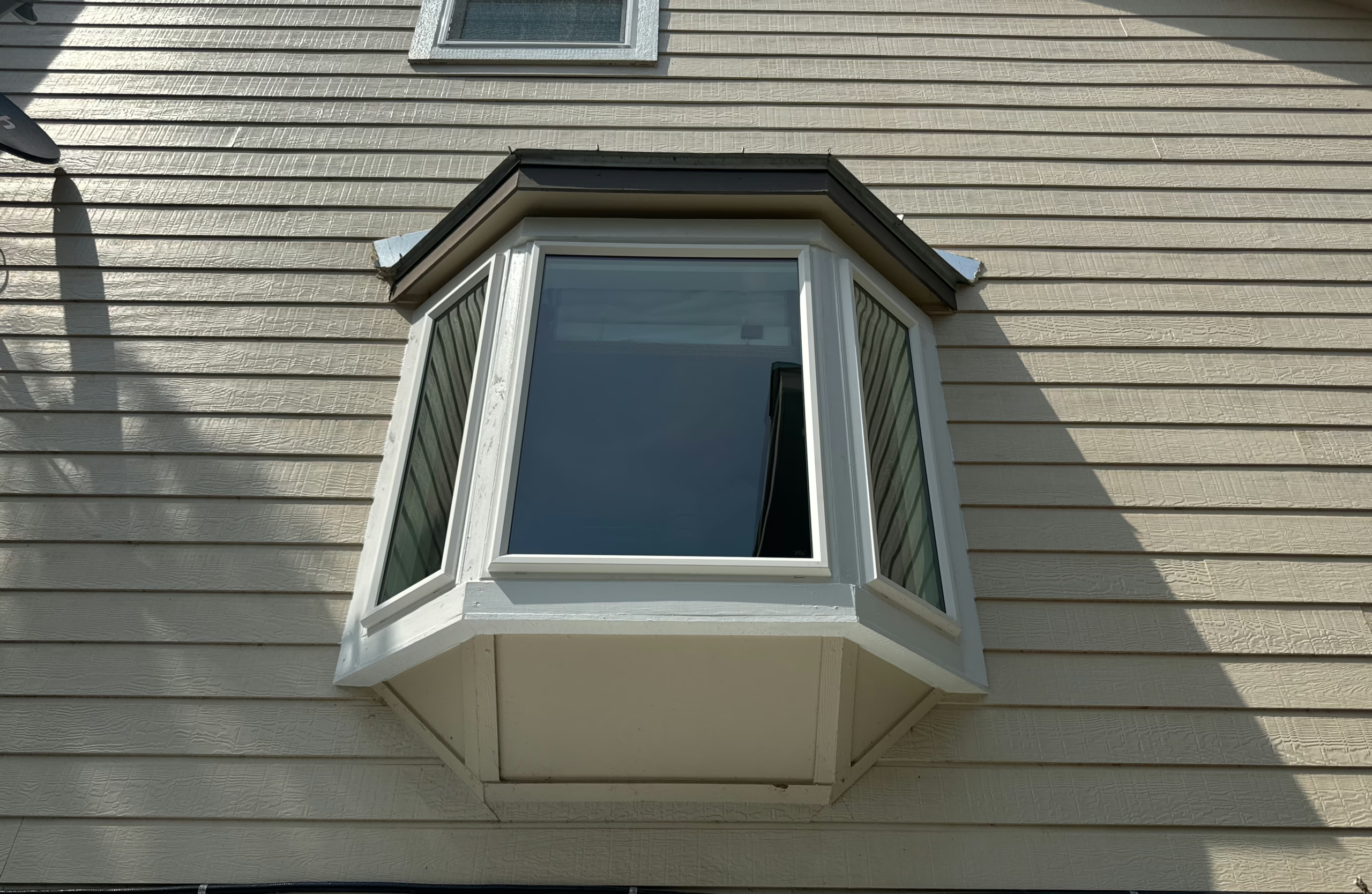
Bay and bow windows project outward from the home, creating additional interior space while increasing natural light and visual impact. They’re architectural window systems—not just window replacements—and require proper design and installation to perform correctly.
If you’re comparing styles, start with the full overview of replacement window types.
Why Homeowners Choose Bay & Bow Windows
Bay and bow windows are chosen when homeowners want more than a view. They change how a room feels by adding depth, seating potential, and light from multiple angles.
- Architectural presence: adds dimension and curb appeal.
- Usable interior space: creates room for seating, shelving, or display.
- Enhanced daylight: angled glass captures light throughout the day.
- Focal-point design: ideal for living rooms, dining areas, and feature walls.
How Bay & Bow Window Systems Work
Bay and bow windows are made up of multiple window units joined together and extended beyond the exterior wall. The assembly is supported structurally and finished as a single integrated system.
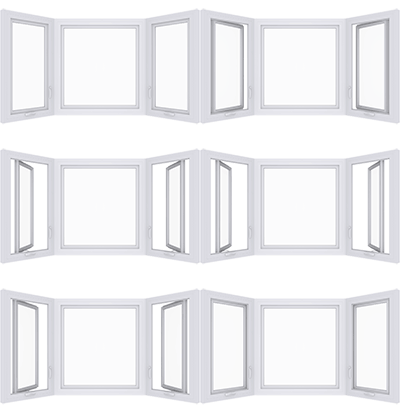
Bay vs. Bow Windows
- Bay windows: typically three units with a large center window and two angled side windows, creating a more defined, angular projection.
- Bow windows: usually four or more equally sized units that form a gentle curve for a softer, more rounded appearance.
Performance and Planning Considerations
Because bay and bow windows project outward, performance depends on more than the windows themselves. Structural support, water management, and air sealing all play a role in long-term success.
- Structural support: systems must be properly supported to handle weight and prevent sagging.
- Water management: multiple joints and angles require precise flashing.
- Energy performance: glass selection matters due to increased surface area.
Where Bay & Bow Windows Work Best
Bay and bow windows are best suited for locations where space, light, and visual impact matter more than simplicity.
- Living rooms and great rooms where added depth enhances comfort
- Dining areas where light and architectural detail elevate the space
- Front-facing elevations where curb appeal is a priority
Installing Bay & Bow Windows Correctly
Bay and bow windows are closer to small structural additions than standard window replacements. Installation must account for load support, precise alignment, and long-term water management.
- Support systems: cables, brackets, or framing designed for the projection.
- Integration: seamless tie-in with the wall, roofline, and interior finishes.
- Glass selection: solar control matched to exposure and room comfort.
See how we approach complex window systems: window installation process.
Is a Bay or Bow Window Right for You?
If you want to add space, light, and architectural character—and your home’s structure supports it—bay or bow windows can be a transformative upgrade. We’ll help you evaluate the opening, structure, and design so the finished system looks intentional and performs long term.