

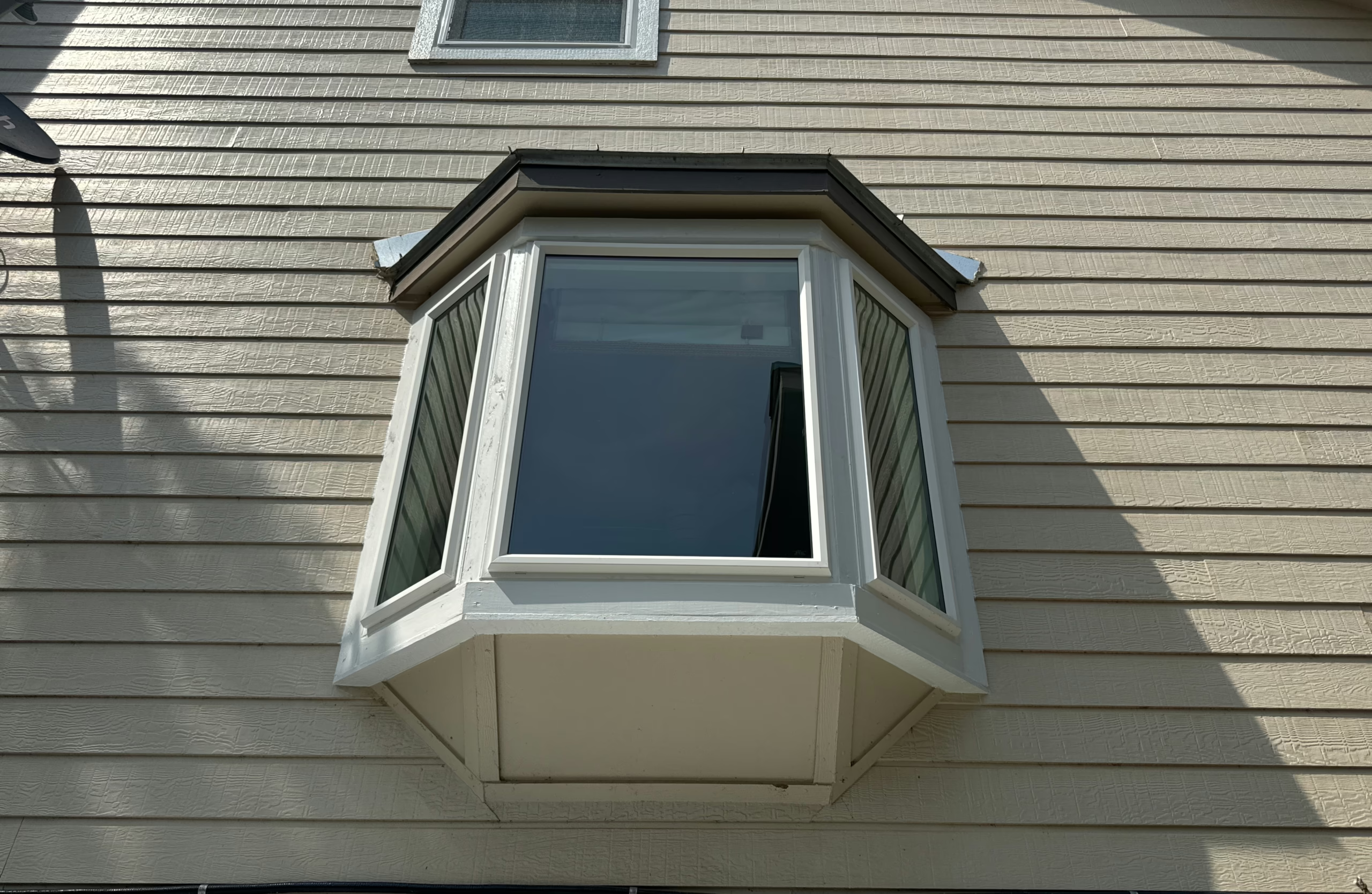
Bay and Bow Windows: Design Benefits, Costs, and Structural Considerations
Bay and bow windows project outward from the exterior wall, creating additional interior space, expanded natural light, and architectural impact that a flat window replacement cannot provide. They are multi-unit systems — not single window swaps — and require structural support, precise flashing across multiple joints and angles, and careful integration with the wall and roofline to perform correctly over time. When designed and installed right, they are one of the most transformative upgrades available for living rooms, dining areas, and front-facing elevations. For the full index of window styles and configurations we install in the Greater Austin Metro, see the replacement window types overview, or start with the replacement windows overview for the full picture.
Architectural Space, Light, and Depth
Bay and bow windows are chosen when homeowners want more than a view. They change how a room feels by adding depth, seating potential, and light from multiple angles — things a standard flat replacement window, regardless of size, cannot replicate. They are architectural window systems, which means the planning, structural preparation, and installation complexity are a different category from a standard window replacement project.
Bay vs. Bow Windows
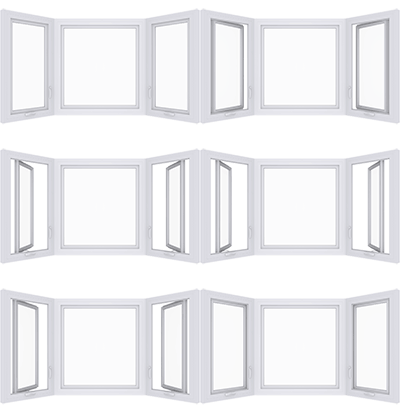
The two styles project outward differently, which affects both the interior space they create and the architectural character they contribute to the exterior.
- Bay windows typically consist of three units — a large center window flanked by two angled side windows at 30 or 45 degrees. The angular projection creates a more defined, geometric alcove with a flat back wall, making it well suited for a window seat or built-in shelving. The stronger angular silhouette reads as a deliberate architectural feature on the exterior.
- Bow windows usually consist of four or more equally sized units arranged in a gentle curve. The rounded projection creates a softer, more continuous arc — more visual sweep than defined alcove. Bow windows are commonly specified for living rooms and dining areas where the curved line contributes to the room’s character without creating a hard-edged nook.
The choice between bay and bow is primarily aesthetic and functional — both require similar structural planning, both increase light from multiple angles, and both are priced as multi-unit architectural systems rather than standard replacements. See the replacement window cost page for how bay and bow systems affect total project cost.
Performance and Planning Considerations
Because bay and bow windows project outward, performance depends on more than the window units themselves. Three areas determine whether the system holds up long term.
🏗️ Structural Support
The projection carries real weight — the combined unit assembly, the rooflet or soffit above it, and the snow or wind load that bears on the outward face. Support cables, brackets, or framing extensions must be engineered for the projection depth and unit count. Systems that are under-supported sag over time, pulling the units out of alignment and opening gaps at the joints and perimeter seal.
🌧️ Water Management
Multiple units joined at angles means multiple joints — and every joint is a potential water entry point if not flashed continuously. The top flashing where the rooflet meets the wall is the most critical detail: it must run under the exterior cladding, not just over it. The angled side returns need sealed trim integration at every corner. This is where most bay and bow failures originate, and most of them happen at installation rather than over time.
🌡️ Energy Performance
More glass area means more solar exposure from more directions throughout the day. In Central Texas, glass selection is not optional for a south- or west-facing bay or bow system — Low-E coatings with a low solar heat gain coefficient (SHGC) are essential for managing heat gain through the angled panels. The larger the system, the more the glass package specification matters for room comfort and HVAC load.
🎨 Interior Finish
Bay and bow systems create a new interior surface — the seat board, side panels, and ceiling or soffit of the projection all need to be finished. Material choices here affect both appearance and long-term maintenance. Pella’s Lifestyle line — a wood interior with aluminum exterior cladding — is a common specification for bay and bow applications where interior finish quality is part of the project’s design intent.
Where Bay & Bow Windows Work Best
Bay and bow windows are best suited for locations where the space gained and the light added justify the project’s scope and cost. Living rooms and great rooms where added depth creates a genuine seating alcove or improves the room’s proportions. Dining areas where light from multiple angles and architectural detail elevate the space. Front-facing elevations where exterior character and curb appeal are a priority. They are generally not the right call for bedrooms, kitchens, or rooms where the projection would conflict with exterior features like walkways, HVAC equipment, or rooflines. For compact projecting windows better suited to kitchens, see the garden window page.
Installing Bay & Bow Windows Correctly
Bay and bow windows are closer to small structural additions than standard window replacements. The installation must account for load support from the foundation up, precise alignment across all units in the assembly, continuous water management at every joint and transition, and interior finish integration at the seat board and side panels. There is no shortcut on any of these steps — a bay or bow system that is structurally sound but inadequately flashed will develop water problems at the joints within a few seasons. One that is well flashed but under-supported will sag and pull out of alignment before the finish work even settles. See the full breakdown of how we approach complex window systems on the window installation process page.
Frequently Asked Questions
How much do bay and bow windows cost in Austin?
Bay and bow systems are priced as multi-unit architectural installations — significantly higher than a standard single-window replacement of the same rough opening size. The total cost reflects the unit count, projection depth, structural support requirements, flashing complexity, and interior finish work. The replacement window cost page covers what drives total project cost across all window types. We provide written quotes after an on-site assessment — there’s no reliable way to establish the number without seeing the opening and the wall construction.
Do bay and bow windows require a permit in Austin?
Yes, in most cases. Because bay and bow windows change the exterior wall plane and involve structural modifications, they typically require a permit through Austin’s Development Services Department. The permit triggers an inspection to verify that the structural support, flashing, and integration meet code. Confirm the specific scope with Development Services before the project is finalized — the permit requirement applies to new installations and to replacements that change the opening size or projection depth.
Can bay and bow windows include operable units?
Yes. The side units in a bay window and the flanking units in a bow window are commonly specified as operable — typically casements or double hungs — while the center or fixed units are non-operable. This provides ventilation through the system while keeping the large center glass area uninterrupted. The operable units must meet the same sealing and flashing standards as the fixed units, and their egress compliance should be verified if the room is a bedroom.
What frame material is best for bay and bow windows?
Vinyl is the most common specification and performs well for most bay and bow applications in Central Texas. Wood-clad — specifically Pella’s Lifestyle line — is frequently specified for higher-end projects where interior finish quality is part of the design intent: the wood interior takes paint or stain to match trim and millwork, while the aluminum exterior cladding handles weather and UV exposure. The window materials overview covers the full comparison of frame materials for Central Texas conditions.
How is a bay window different from a bow window?
A bay window typically has three units — a large fixed center flanked by two angled side windows at 30 or 45 degrees — creating a defined angular alcove with a flat back wall. A bow window has four or more equal-sized units arranged in a gentle curve, producing a softer rounded projection. The practical difference is the interior space they create: bay windows produce a more defined nook well suited for a window seat; bow windows produce a wider, more continuous curved sweep more suited to living and dining areas where the visual character of the curve matters more than the defined alcove.
Is a Bay or Bow Window Right for Your Home?
We’ll evaluate the opening, wall structure, and design goals during the initial consultation — before any work is scoped or priced.
- Structural and flashing requirements assessed before any unit is ordered
- No deposit required to get started
- Written scope before any work begins
- 10-year workmanship warranty on every installation