

Single-Hung Replacement Windows: How They Compare and When They Fit
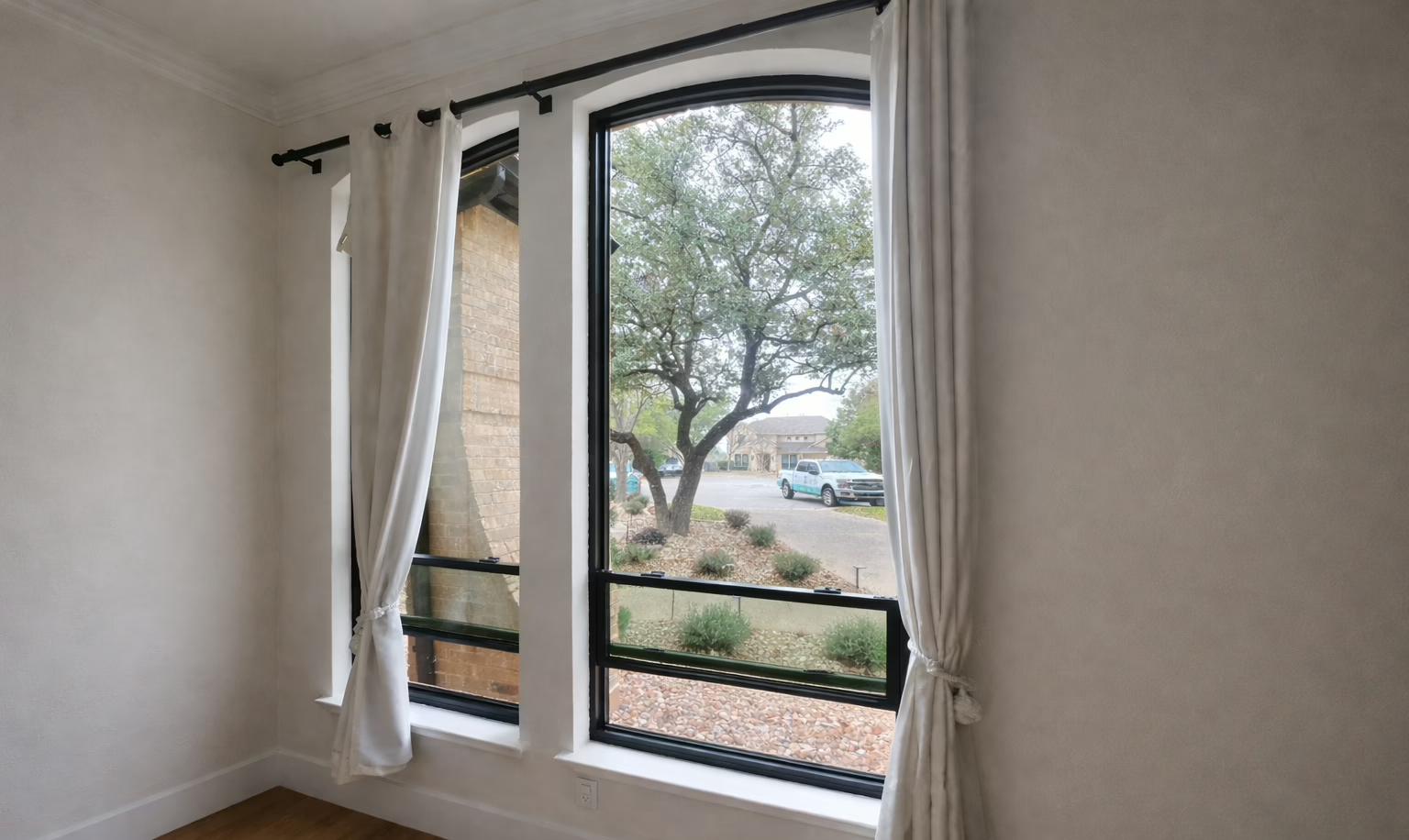
Single-hung windows have a fixed upper sash and an operable lower sash that slides vertically. They look identical to double-hung windows from the exterior, cost less, and have fewer long-term maintenance points — because the upper sash doesn’t move, there is no upper balance system to wear out and no upper weatherstrip interface to degrade. The ventilation tradeoff is real: you can only open the lower sash, which means no split-sash stack-effect ventilation and no upper sash tilt-in for cleaning on multi-story installations. For rooms where those double-hung advantages don’t apply, single-hung is not a compromise — it’s the cleaner specification. For the full index of window styles and configurations we install in the Greater Austin Metro, see the replacement window types overview, or start with the replacement windows overview for the full picture.
Simple Ventilation with Fewer Moving Parts
Single-hung windows are a practical specification — chosen when the room’s ventilation needs are straightforward, the double-hung advantages don’t apply, and keeping the window system simple is worth more than the additional operational flexibility. They have been the standard residential window type in American homes for most of the twentieth century for good reason: the design is durable, familiar, and effective for the majority of use cases. The honest evaluation is what makes single-hung specification go well — understanding specifically where the limitations show up, and confirming those limitations don’t matter for the specific room.
Recent Single Hung Window Projects Across the Austin Area
Real single hung window replacements completed for Austin-area homeowners — before and after, different materials, different conditions. This is what a properly installed single hung replacement window looks like when the framing, flashing, and finish details are handled correctly.


How Single-Hung Windows Perform
Ventilation
Ventilation is provided through the lower sash only. In most living rooms, bedrooms, and utility spaces, lower-sash ventilation is entirely adequate — the opening is the same width as a double-hung in the same rough opening, and the airflow for a given open sash height is identical. The limitation shows up specifically in rooms where the stack-effect ventilation pattern matters: opening the upper sash of a double-hung allows warm air to exit high while cooler air enters low, which can noticeably improve thermal comfort in rooms with significant heat buildup. If that pattern is genuinely important for the room, double-hung is the right call. If it isn’t — which is most rooms — single-hung provides the same lower-sash airflow at lower cost and with a simpler system.
Sealing and Air Infiltration
Single-hung windows are sliding-seal windows — the lower sash moves against weatherstripped channels, and air infiltration occurs primarily at the meeting rail and the sash-to-channel interfaces. This is the same sealing characteristic as double-hung windows. The difference is that single-hung windows have only one sliding sash interface instead of two, which means one fewer weatherstrip system to degrade over time. The fixed upper sash is set once at installation and sealed as part of the frame — it doesn’t contribute to air infiltration if installed correctly. For rooms where compression sealing is a priority, casement or awning windows outperform both single and double-hung on air infiltration. For standard residential applications in Central Texas where a sliding sash is the right operational choice, quality replacement-grade single-hung from brands like Anlin or MI Windows deliver solid, long-term sealing performance.
Maintenance and Long-Term Operation
Fewer moving parts means fewer maintenance points. Single-hung windows have one balance system rather than two, one weatherstripped sash channel rather than two, and no upper tilt pivot mechanism. The balance system — which holds the lower sash at the position you set it — is the primary long-term maintenance item, and it will eventually need service or replacement on any single-hung as it does on any double-hung. The upper sash is structural: it’s set in the frame at installation and doesn’t move, which means no upper balance to wear out, no upper weatherstrip to degrade, and no upper tilt pivot hardware to crack or loosen over years of use.
Cleaning on Multi-Story Installations
This is the most significant practical limitation of single-hung windows in multi-story homes. Because the upper sash is fixed, the exterior glass of a second-story single-hung cannot be cleaned from inside — it requires ladder access or a long-handled cleaning tool from outside. Double-hung windows with tilt-in sashes allow both sashes to tilt inward for inside cleaning. If second-story exterior cleaning access is a genuine operational priority, double-hung is the right specification for those openings. On single-story installations or on upper-floor openings where outside cleaning access is straightforward, this limitation doesn’t apply.
Egress Considerations
Single-hung windows can qualify for egress compliance — the lower sash opening is evaluated against IRC minimums of 5.7 square feet net clear area, 20-inch minimum width, and 24-inch minimum height. The evaluation is identical to double-hung egress verification: only the lower sash opening counts, and the specific unit’s net clear opening data must be confirmed before ordering for a bedroom installation. Do not assume egress compliance based on nominal window size. See the egress window requirements page for the full dimensional requirements and what qualifies under IRC.
Single-Hung vs. Double-Hung
These two types are visually identical from the exterior and fill the same rough openings. The decision comes down to three specific double-hung advantages: split-sash stack-effect ventilation, upper-sash tilt-in cleaning access on multi-story installations, and a second operable sash for bedrooms where both upper and lower sash opening area together might push the unit past egress minimums that the lower sash alone doesn’t reach. If none of those three advantages are relevant for the specific room, double-hung adds cost and complexity without adding functional benefit. Single-hung is not the budget compromise in that situation — it is the correct specification.
Where Single-Hung Windows Work Best
Single-story homes across the board — the upper-sash cleaning limitation doesn’t apply, and the lower balance system is the only maintenance item. Ground-floor openings in multi-story homes for the same reason. Bedrooms where the lower sash opening reaches egress minimums and the split-sash ventilation pattern isn’t a priority. Utility rooms, bathrooms, laundry rooms, and secondary spaces where the operational simplicity is an advantage and ventilation needs are modest. Rooms where the window style needs to match an existing single-hung profile — including older homes where the rough opening dimensions were sized for single-hung units. See the replacement window cost page for how single-hung compares to other types on total project cost.
Installation Details That Matter for Single Hungs
Single-hung windows are straightforward to install, but the fundamentals still determine long-term performance. The rough opening needs to be level, plumb, and square before the unit goes in — a sill that isn’t level will cause the lower sash to drift in the channel, wearing the weatherstrip unevenly and eventually affecting the balance system. Head flashing must extend under the exterior cladding, and the perimeter air seal must be continuous. These details are set at installation and don’t get corrected afterward. The full approach to how we install windows as a water-managed building envelope system is on the window installation process page. For material decisions that are still open, the window materials overview covers the full comparison for Central Texas conditions.
Frequently Asked Questions
What is the difference between single-hung and double-hung windows?
Single-hung windows have a fixed upper sash — only the lower sash moves. Double-hung windows have both sashes operable, which enables split-sash stack-effect ventilation (warm air out the top, cool air in the bottom) and tilt-in upper sash cleaning from inside on multi-story installations. Single-hung windows have one balance system instead of two, fewer weatherstrip interfaces, and no upper tilt pivot mechanism — resulting in lower cost and fewer long-term maintenance points. If the specific double-hung advantages don’t apply to the room, single-hung is the cleaner specification.
Can a single-hung window meet egress requirements?
Yes, through the lower sash opening — which is the same egress evaluation as a double-hung. The lower sash must produce a net clear opening of at least 5.7 square feet, with a minimum 20-inch clear width and 24-inch clear height. The fixed upper sash does not count toward egress. Verify the specific unit’s net clear opening data against IRC minimums before ordering for a bedroom installation. The egress window requirements page has the full dimensional breakdown.
Are single-hung windows harder to clean than double-hung?
On upper floors, yes. The fixed upper sash cannot be tilted in, so exterior cleaning of a second-story single-hung requires ladder access or a long-handled cleaning tool from outside. The lower sash on most quality replacement single-hungs tilts in for interior cleaning. On single-story installations or ground-floor openings, there is no cleaning disadvantage compared to double-hung. If second-story exterior cleaning access is a genuine priority, double-hung windows with tilt-in upper sashes are the right specification for those openings.
Do single-hung windows seal as well as double-hung windows?
Yes, and in one respect they seal better: single-hung windows have only one sliding sash interface instead of two, which means one fewer weatherstrip system to degrade over time. The fixed upper sash is set at installation and doesn’t contribute to air infiltration if sealed correctly. Both types are sliding-seal windows — if compression sealing is the priority, casement or awning windows outperform both on air infiltration.
Does installing a single-hung window require a permit in Austin?
A like-for-like replacement in the same rough opening typically does not require a permit. Enlarging an existing opening or adding a new opening requires a permit through Austin’s Development Services Department. If the installation involves structural modifications to the header or framing, a permit is required regardless of whether the finished opening size changes. Confirm the scope with Development Services before finalizing the project.
Not Sure if Single-Hung Is the Right Call for Your Openings?
We’ll help you work through which window type actually fits each room — ventilation needs, cleaning access, egress requirements, and where the simpler specification is genuinely the better one.
- Window type matched to your specific conditions
- No deposit required to get started
- Written scope before any work begins
- 10-year workmanship warranty on every installation