

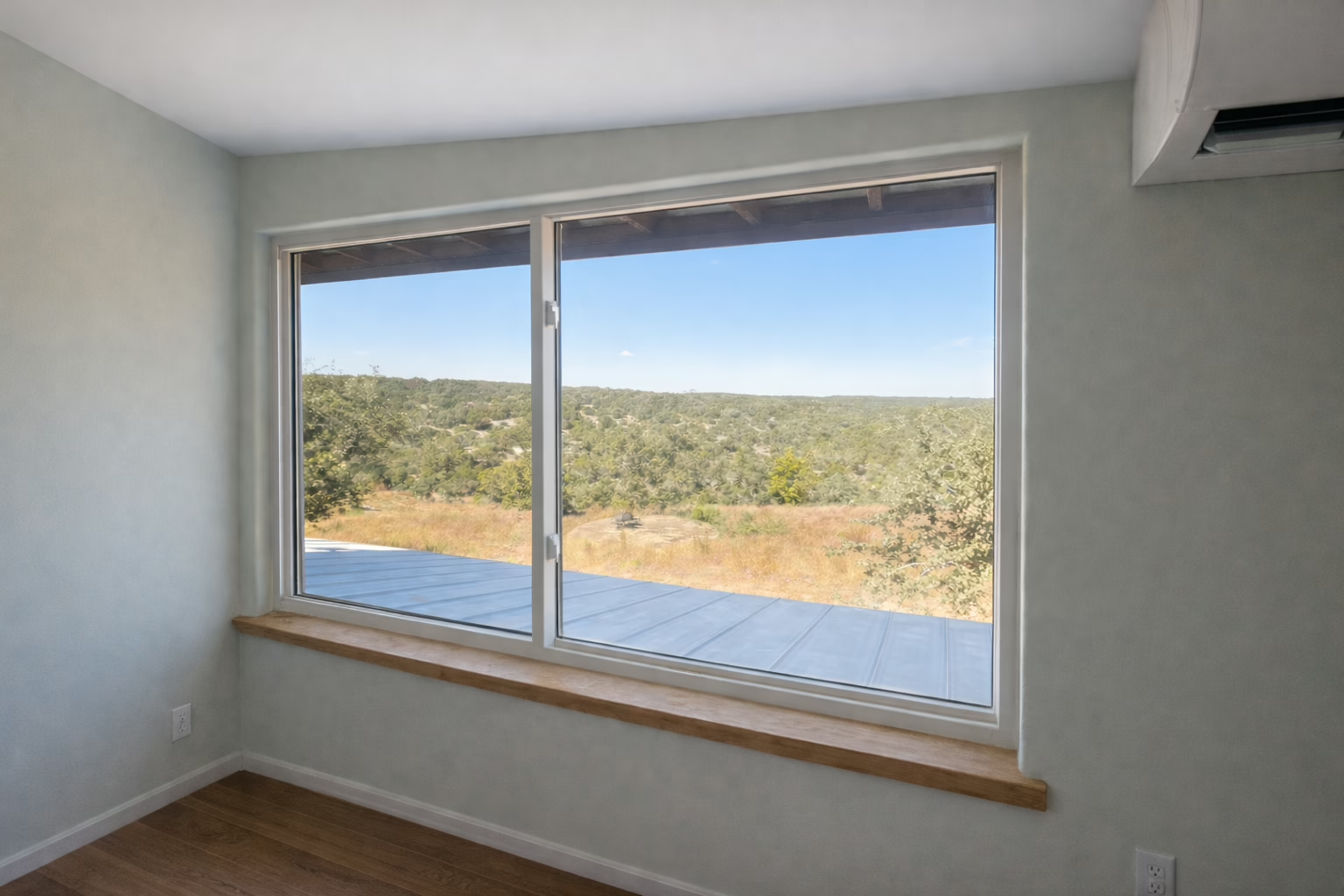
Slider
Wide Openings with Simple, Space-Saving Operation
Sliding windows (often called sliders) operate horizontally along a track instead of opening up or out. They’re commonly used for wide openings where vertical operation isn’t practical and where exterior clearance is limited.
If you’re comparing styles, start with the full overview of replacement window types.
Why Homeowners Choose Sliding Windows
Sliding windows are chosen less for performance extremes and more for practicality. They solve wide openings cleanly, avoid swing conflicts, and offer a familiar, easy day-to-day experience.
- Wide-opening friendly: a natural fit where tall, vertical windows feel awkward.
- No swing clearance: ideal near patios, walkways, decks, or tight side yards.
- Simple operation: horizontal glide that most homeowners find intuitive.
- Light and views: large glass area keeps sightlines open.
How Sliding Windows Work
A sliding window has one operable sash that glides left-to-right (or right-to-left) on rollers, with the other sash fixed. Some configurations allow both sashes to move, depending on the product design.

How Sliding Windows Perform
Sliding windows are straightforward by design, but their performance depends heavily on alignment, track condition, and how the unit is installed. Understanding these factors helps avoid frustration long term.
Ventilation Limits
Most single-slider configurations provide ventilation through only one sash, which means roughly half the opening can be open at a time. For rooms where maximum airflow matters, another window type may be a better fit.
Tracks, Rollers, and Daily Use
Sliders rely on smooth tracks and quality rollers. Dirt, debris, or poor alignment can lead to dragging or uneven movement over time. Good installation and occasional track cleaning make a noticeable difference.
Sealing and Weather Performance
Air sealing happens primarily at the meeting rail and perimeter. A slider that isn’t set level and square can leak air or struggle to latch properly, even if the window itself is well built.
Sliding vs. Casement
Sliding and casement windows solve different problems. Sliders prioritize wide openings, no swing clearance, and simplicity. Casements prioritize airflow control and a tighter compression seal.
Compare both styles here: Casement Windows.
Where Sliding Windows Make the Most Sense
Sliding windows are most effective when the opening is wide and exterior clearance is limited.
- Wide living or family room openings
- Bedrooms near patios, decks, or walkways
- Rooms where outward swing would interfere with landscaping
- Spaces where ease of use matters more than maximum airflow
Installation Details That Matter for Sliders
Sliding windows are especially sensitive to level, square, and straight openings. Even small installation errors can affect glide, sealing, and latch alignment.
- Opening prep: level sill, square jambs, and proper shimming.
- Water management: correct flashing to protect the track and framing.
- Air sealing: continuous perimeter sealing to prevent drafts.
See how we approach window installation as a system: window installation process.
Is a Sliding Window Right for You?
If you have a wide opening and want a clean, space-saving window that’s easy to live with, sliding windows are often a strong choice. If airflow performance or sealing is the top priority, we’ll help you compare other window types that may be better suited.
We’ll help you choose the right window type, glass package, and installation approach based on how your home actually lives.