

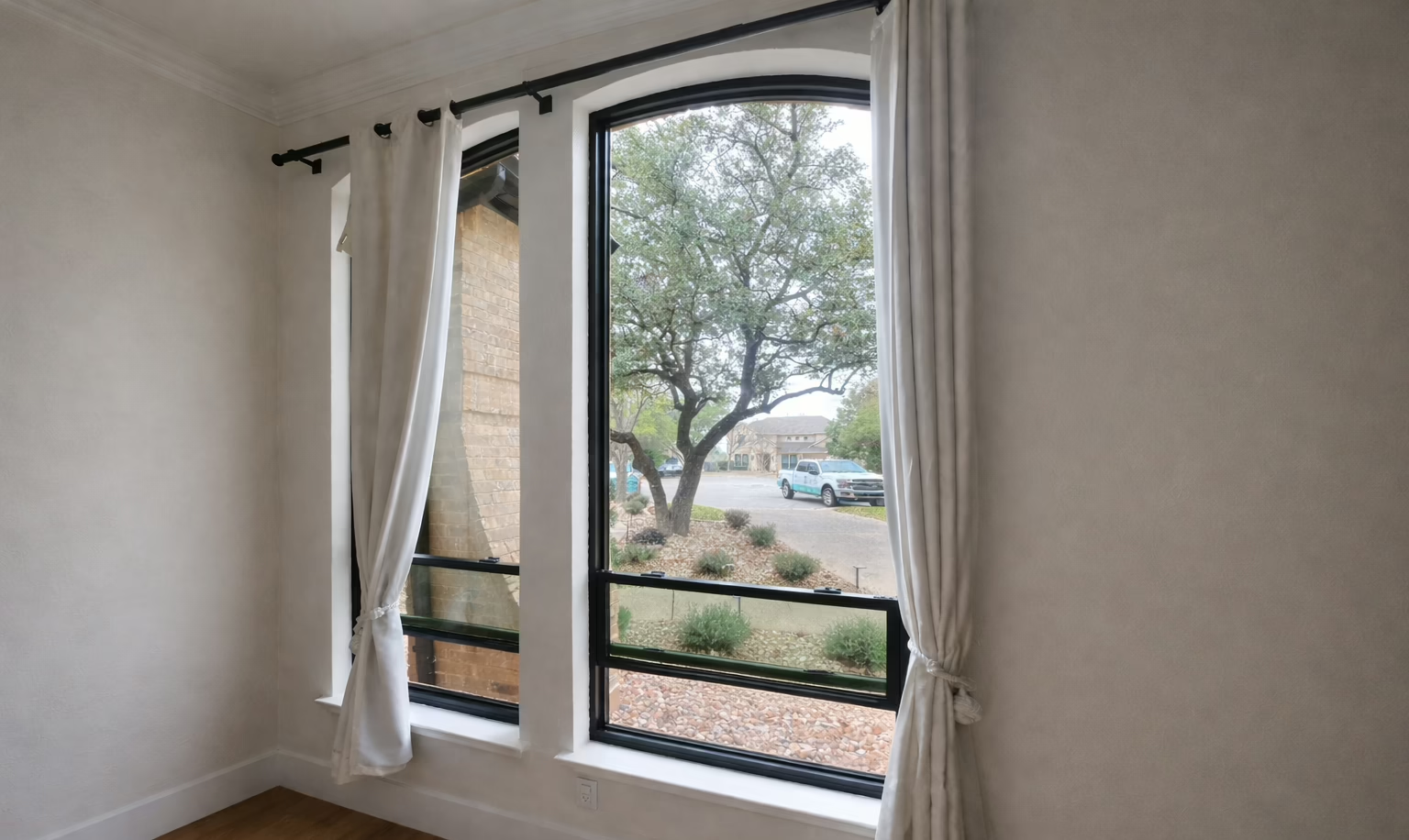
Single Hung
Simple Ventilation with Fewer Moving Parts
Single-hung windows are a practical, value-driven window style that works well in many homes. With a fixed upper sash and an operable lower sash, they provide reliable ventilation while keeping the overall system simple.
If you’re comparing styles, start with the full overview of replacement window types.
Why Homeowners Choose Single-Hung Windows
Single-hung windows are often selected when homeowners want dependable performance without unnecessary complexity. They’ve been used successfully for decades and remain a common choice in both older homes and newer builds.
- Simple operation: one moving sash keeps use straightforward.
- Lower maintenance: fewer moving parts compared to double-hung designs.
- Strong value: typically more budget-friendly than multi-operable window types.
How Single-Hung Windows Work
A single-hung window has a fixed upper sash and an operable lower sash that slides up and down. This keeps the design simple while still providing everyday ventilation.
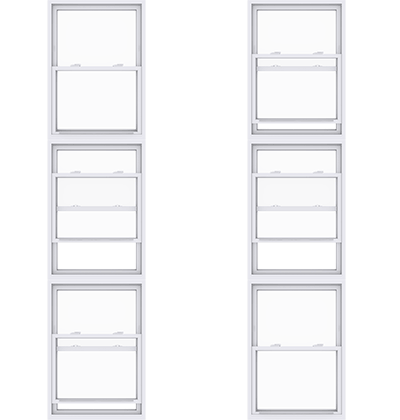
How Single-Hung Windows Perform
Single-hung windows can perform extremely well when the frame, seals, and glass package are matched to the home—and when the installation is done correctly. Here are the key performance considerations.
Ventilation and Comfort
Ventilation is provided through the lower sash only. In many rooms, that’s plenty. In others—especially where you want top-sash airflow control—another type may be a better fit.
Energy Efficiency and Air Sealing
With fewer moving parts, single-hung windows can offer strong air sealing. Actual efficiency depends on the product build, weatherstripping quality, and the glass package selected for sun exposure.
Cleaning and Maintenance
Because the upper sash is fixed, exterior cleaning on upper floors can be less convenient than tilt-in styles. The upside is fewer moving components to maintain over time.
Single-Hung vs. Double-Hung
These styles look similar but behave differently. Single-hung prioritizes simplicity and value. Double-hung adds more ventilation flexibility and often easier cleaning features depending on the product line.
See the full comparison here: Double-Hung Windows.
Where Single-Hung Windows Work Best
Single-hung windows are commonly used in areas where ventilation needs are moderate and ease of use matters.
- Bedrooms where egress requirements are met
- Living areas where airflow is secondary to simplicity
- Multi-story homes where exterior cleaning access is less critical
Type Is the Function. Installation Is the Outcome.
Even the best window can fail if it’s installed poorly. Single-hung windows rely on proper flashing, air sealing, and alignment to perform as intended over time.
A correctly installed window behaves like a sealed, water-managed part of the wall—not a swap-and-caulk replacement.
- Installation quality: flashing, shimming, fastening, and air sealing.
- Glass selection: Low-E and solar control matched to room exposure.
Learn how we install windows as a system: window installation process.
Is a Single-Hung Window Right for You?
If you want a reliable, cost-effective window style that performs well when properly installed, single-hung windows are often a strong fit. If you need more ventilation flexibility or easier exterior cleaning, another type may make more sense.
We’ll help you choose the right window type, glass package, and installation approach based on how your home actually lives—not a one-size-fits-all recommendation.